Policy
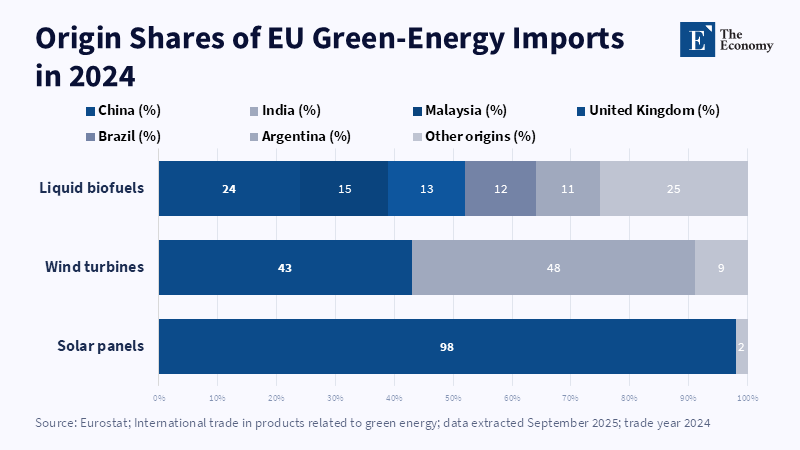
Note: Solar-panel sourcing is almost entirely concentrated in China, while wind turbines and liquid biofuels have broader—but still concentrated—supplier structures. Related article:
Read More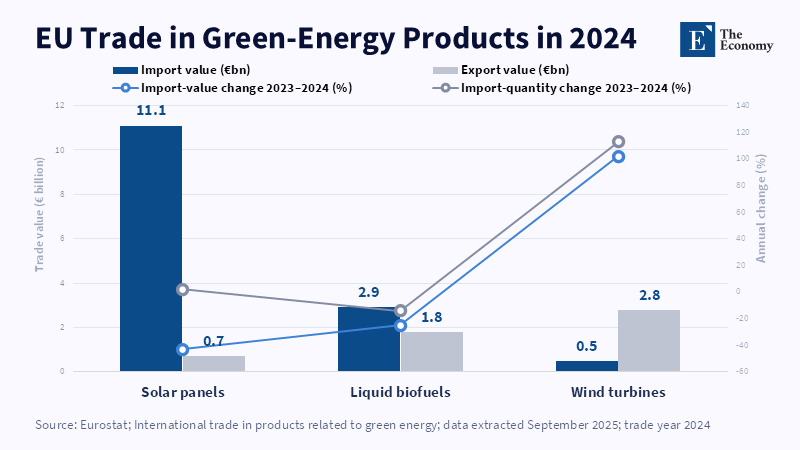
Note: Solar panels remain strongly import-oriented, whereas wind turbines retain an export surplus and recorded rapid growth in both import value and quantity. Related article:
Read More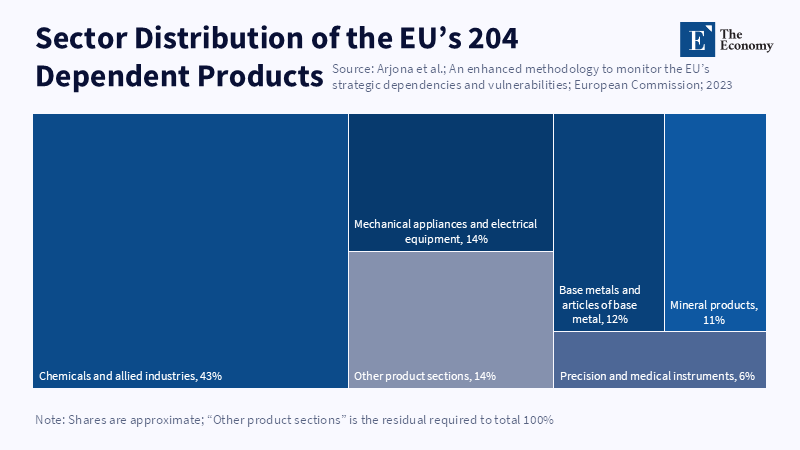
Note: Chemicals account for the largest dependency share, while machinery, metals, minerals, and precision goods together represent nearly half of identified products. Related article:
Read More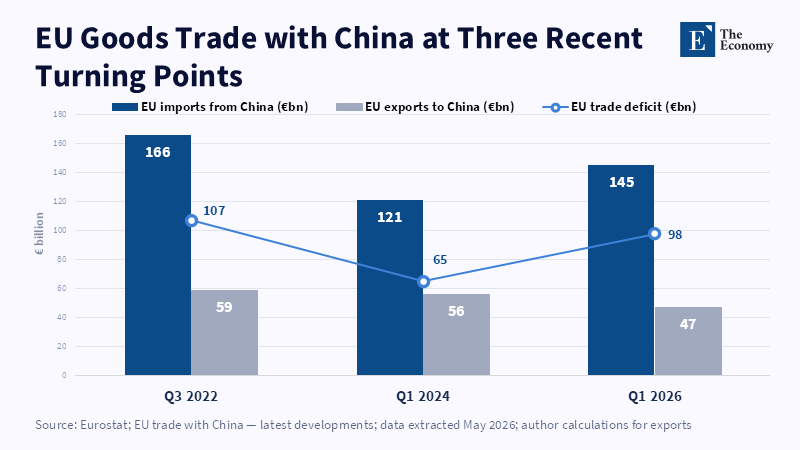
Note: The EU–China goods deficit narrowed after 2022 but widened again by Q1 2026 as imports recovered and exports weakened. Related article: [EU vs.
Read More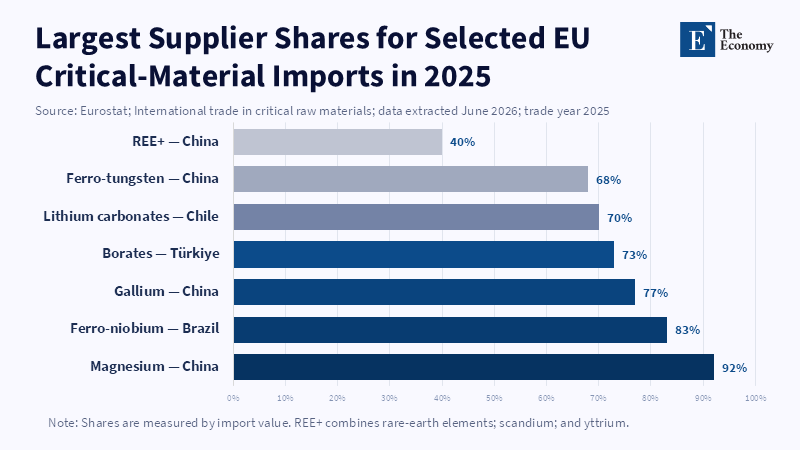
Note: Critical-material risk becomes strategic when supplier concentration meets weak substitution options. Related article: Europe’s China Risk Is Not
Read More







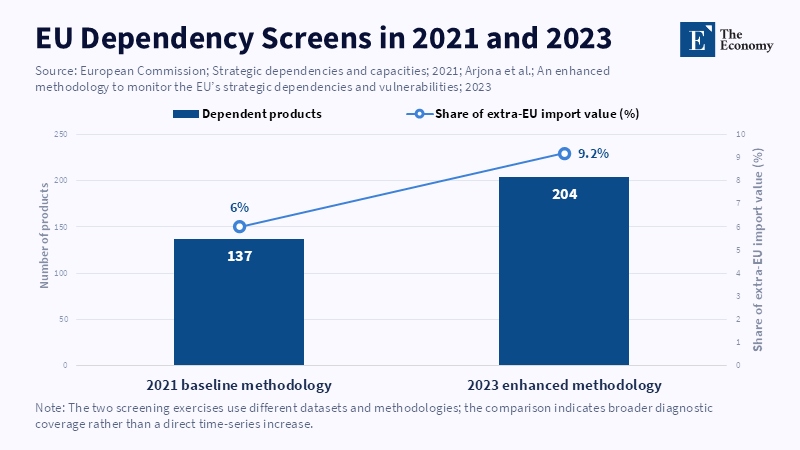
Note: Better screening shows that Europe’s dependency problem is narrower than headline import shares suggest. Related article: Europe’s China Risk Is N
Read More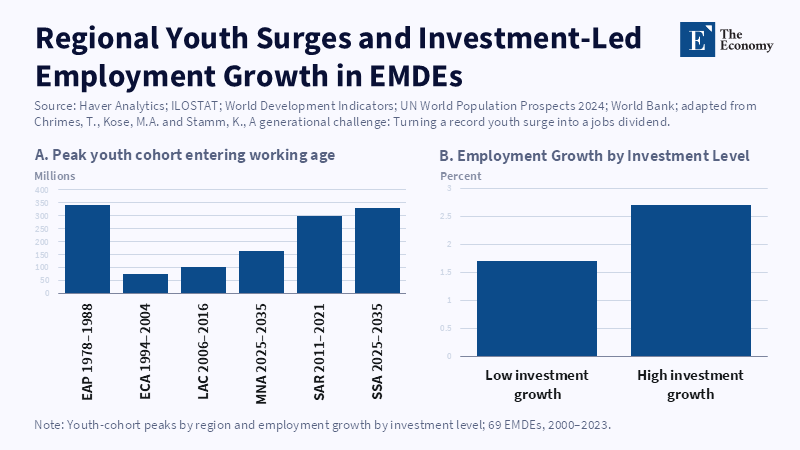
Figure 1: Large youth cohorts become a dividend only when investment turns labour supply into employment growth. Related article: The New Labour Barga
Read More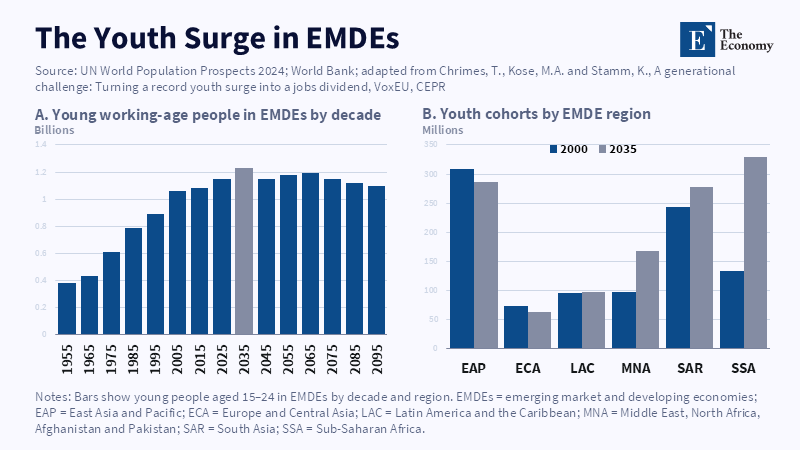
Figure 1: The youth surge is shifting toward South Asia and Sub-Saharan Africa, making EMDE job creation a global labour-market issue. Related article:
Read More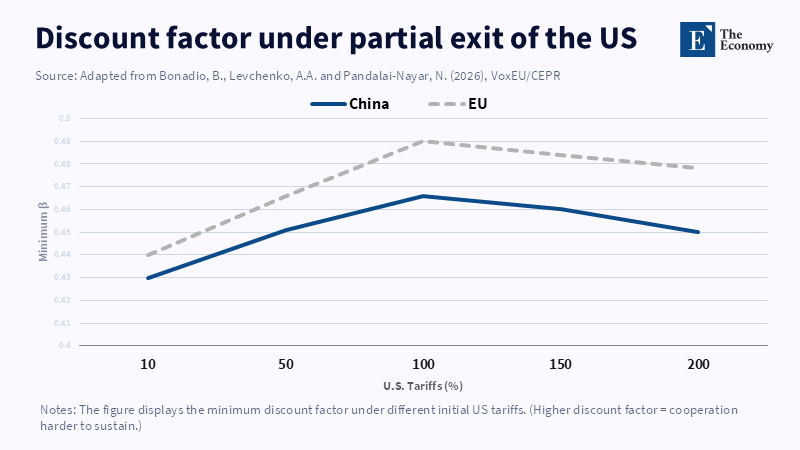
Higher US tariffs raise the cooperation threshold only modestly, suggesting that cooperation among the remaining economies can endure. Related Articles:
Read More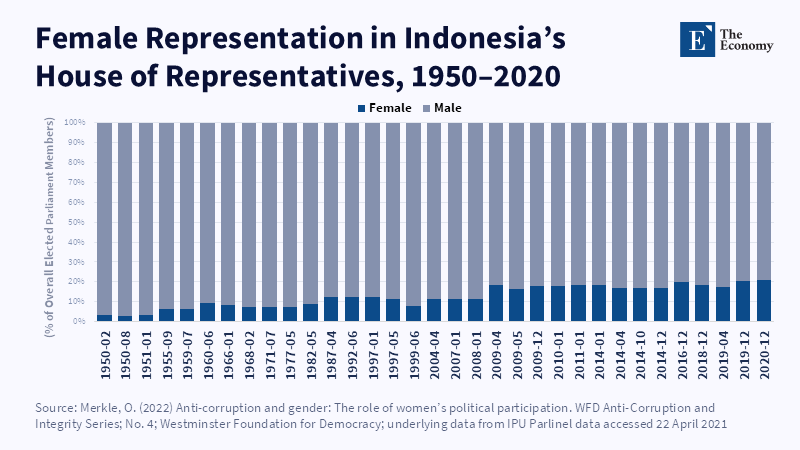
Indonesia’s gradual rise reflects wider political inclusion; it does not show that female representation alone produces cleaner government. Related Articles:
Read More
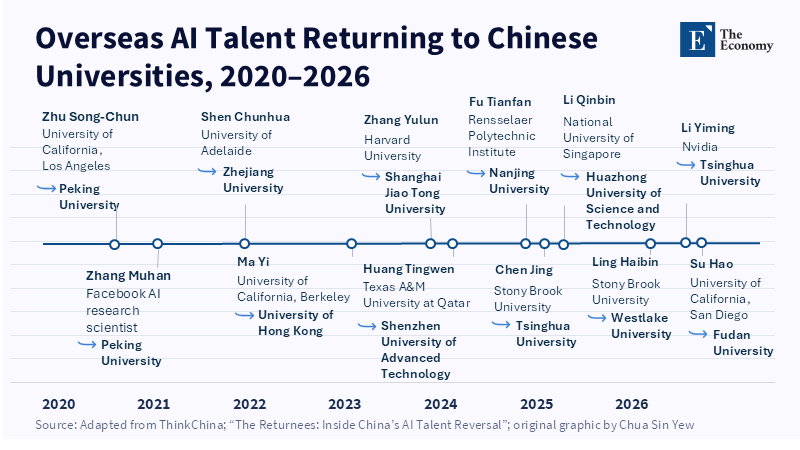
High-profile returnees show how China is converting overseas experience into domestic university research capacity. Related Articles: AI Talent Retention
Read More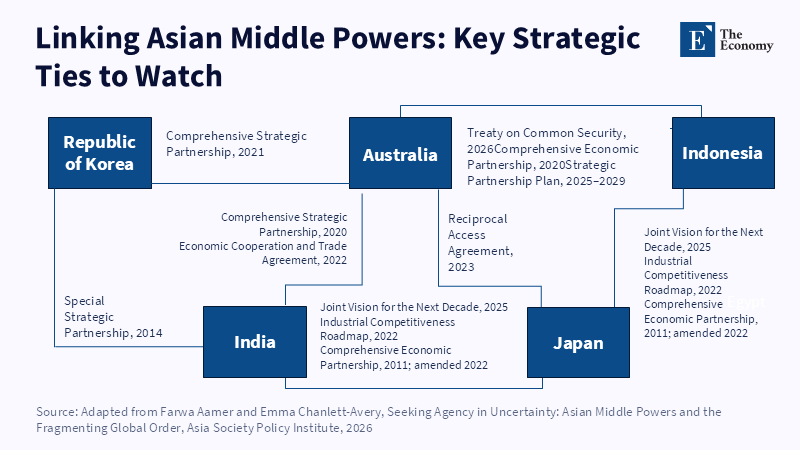
Asian middle-power agency is already taking shape through practical security, trade and strategic ties, not through a formal bloc. Related Articles:
Read More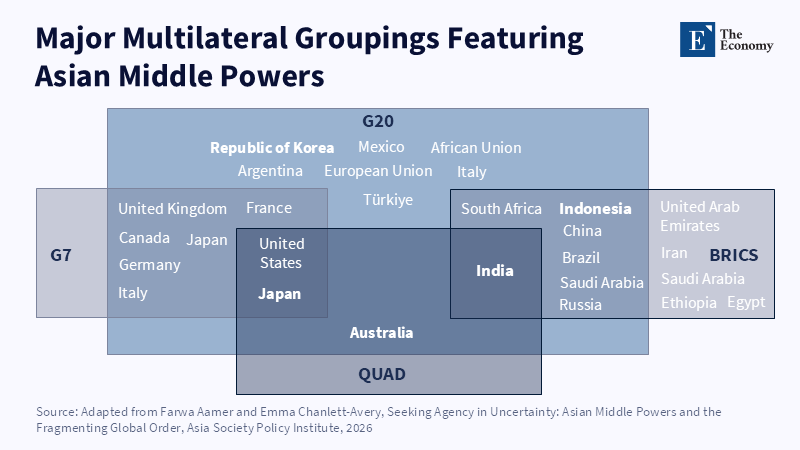
India’s middle-power role is not isolated; it sits inside overlapping forums that connect Western, Global South and Indo-Pacific agendas Related Articles:
Read More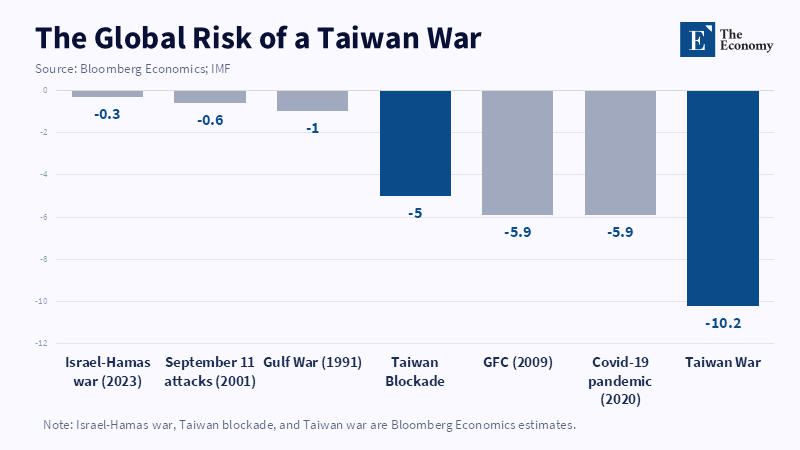
A Taiwan war would not be a regional shock.
Read More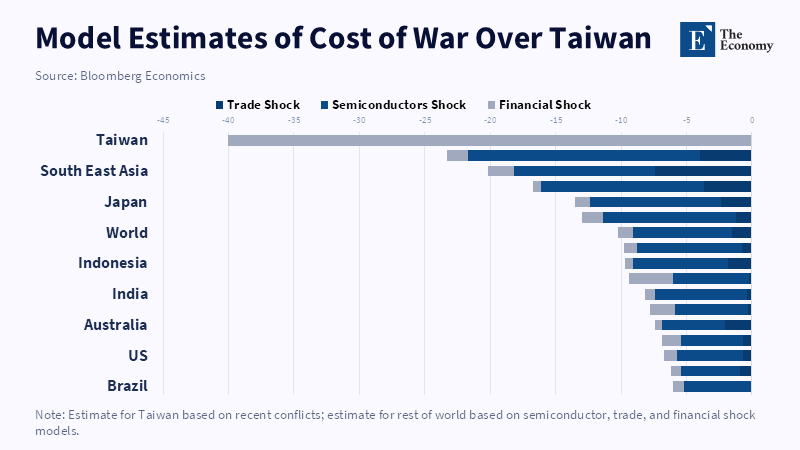
Japan’s exposure in a Taiwan war would come less from direct combat than from chips, trade disruption, and financial spillovers. Related Articles:
Read More
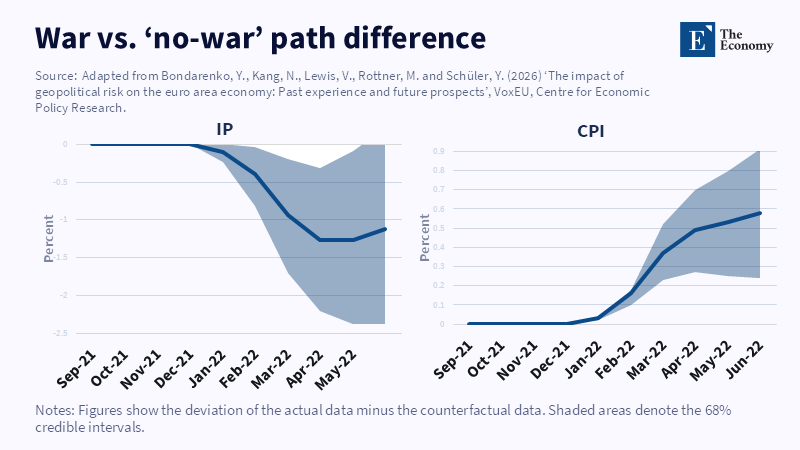
The rise in geopolitical risk following the outbreak of the Ukraine war is estimated to have weighed on eurozone industrial output while driving consumer prices higher. Related Articles:
Read More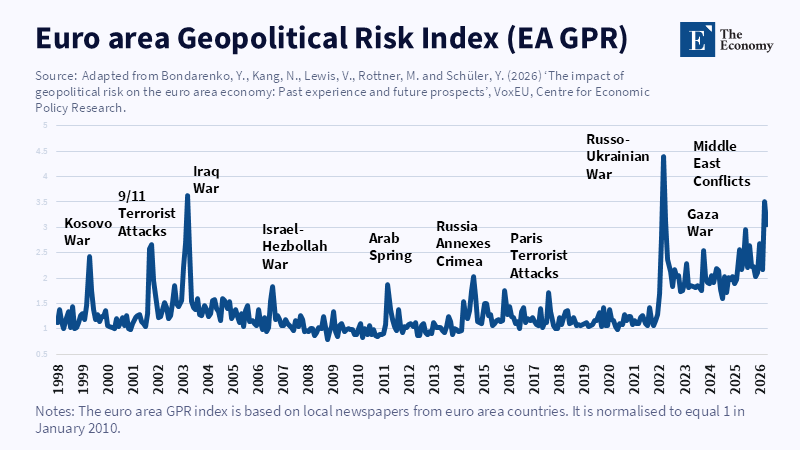
The euro-area GPR index shows why regional measurement matters: after 2022, Europe’s risk signal remained structurally higher than its pre-war norm. Related Articles:
Read More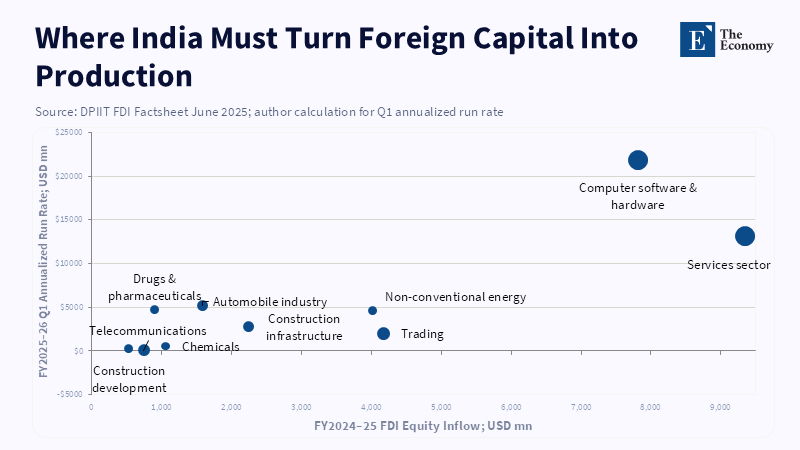
India’s real opportunity lies in sectors where fresh inflows, growth momentum, and long-term FDI depth can become production capacity. Related Articles:
Read More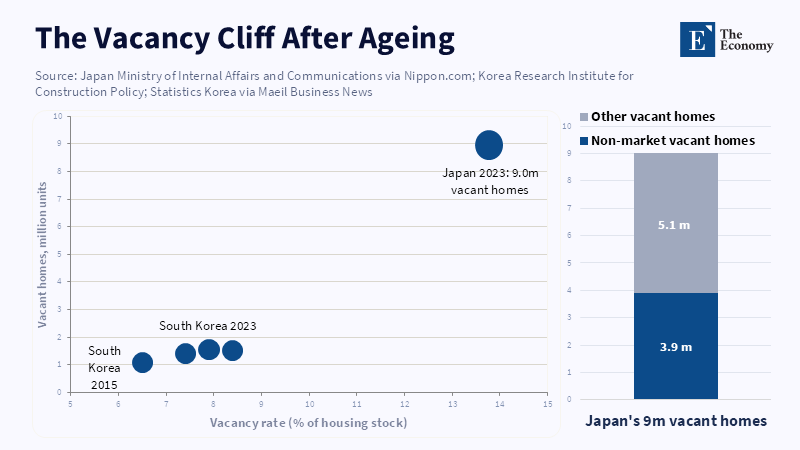
Japan and South Korea show Thailand’s next risk: housing can move from scarce urban asset to stranded local burden once ageing and low births reshape demand. Related Articles:
Read More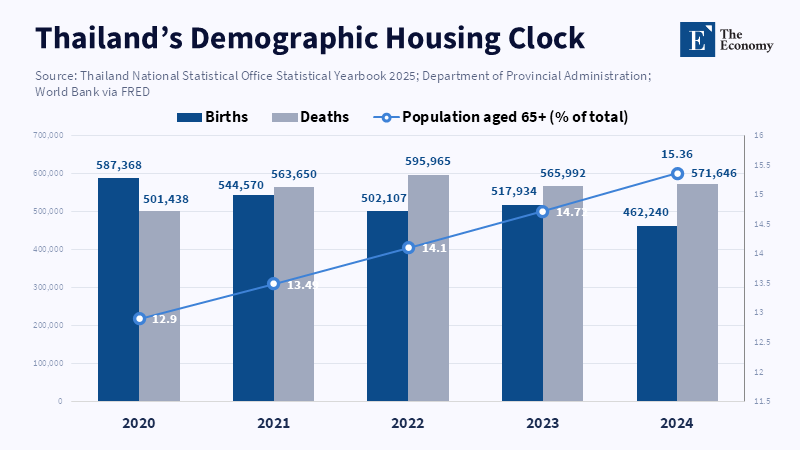
Thailand’s housing pressure is not easing yet: deaths now exceed births, while ageing keeps older-owned homes locked in place and delays any relief in city markets. Related Articles:
Read More