
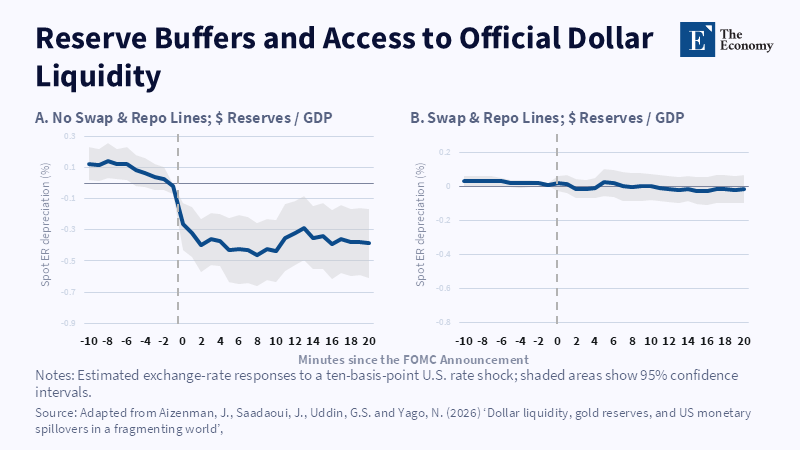
Note: Dollar reserves blunt Fed shocks mainly where countries lack official swap or repo access. Related article: Gold Cannot Stop a Dollar Run: Why Dollar S
Read More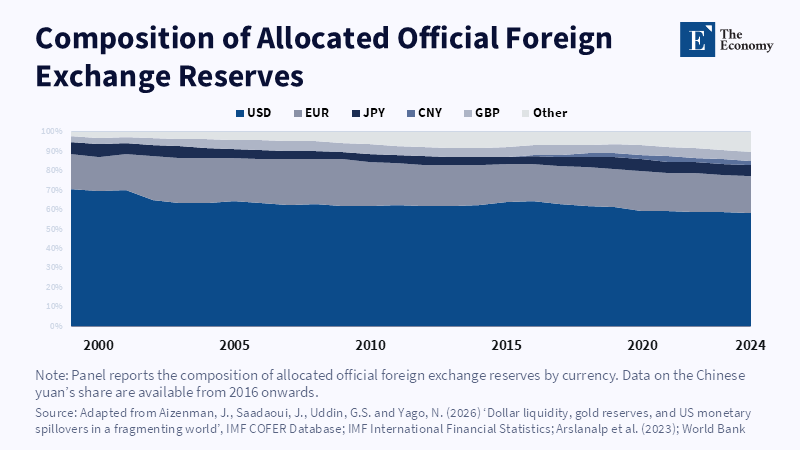
Note: The dollar still dominates official reserves, even as reserve managers diversify around the edges. Related article: Gold Cannot Stop a Dollar Run: Why D
Read More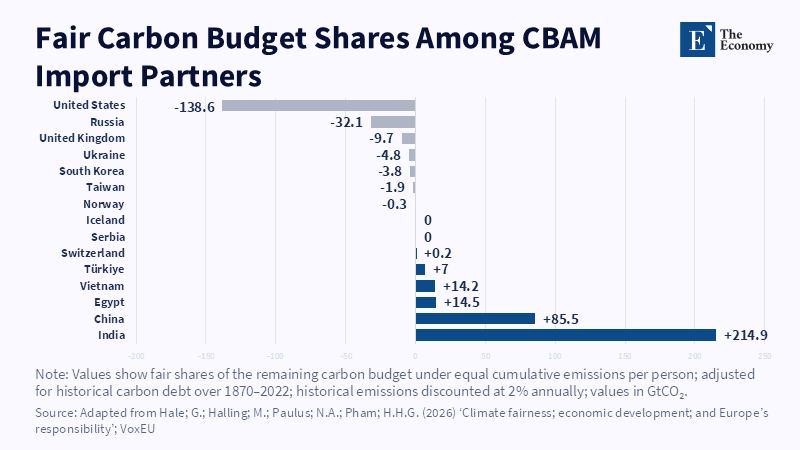
Note: India and China still hold positive carbon-budget claims, while the United States and several advanced economies are already in carbon debt Related article:
Read More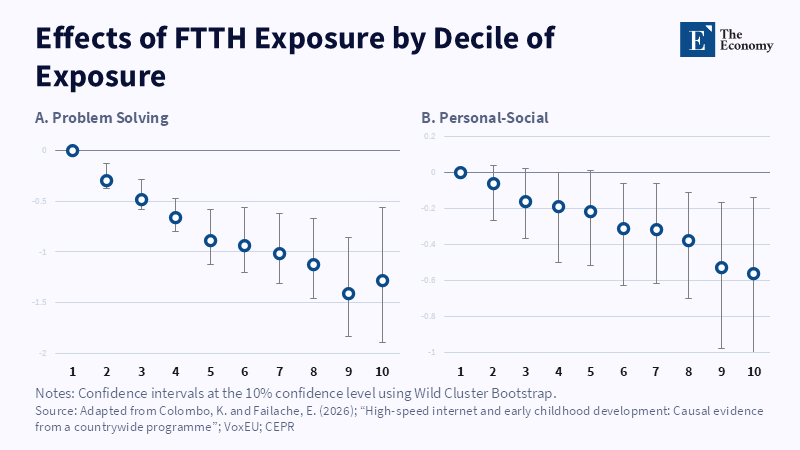
Note: Problem-solving and personal-social losses generally deepen as cumulative FTTH exposure rises. Related article: The Broadband Problem Is an Atte
Read More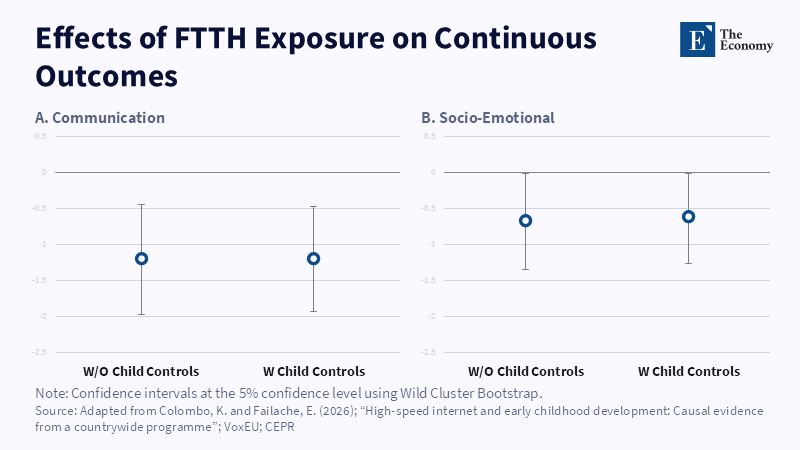
Note: FTTH exposure reduced communication and socio-emotional scores, with little change after child controls were added. Related article: The Broadban
Read More







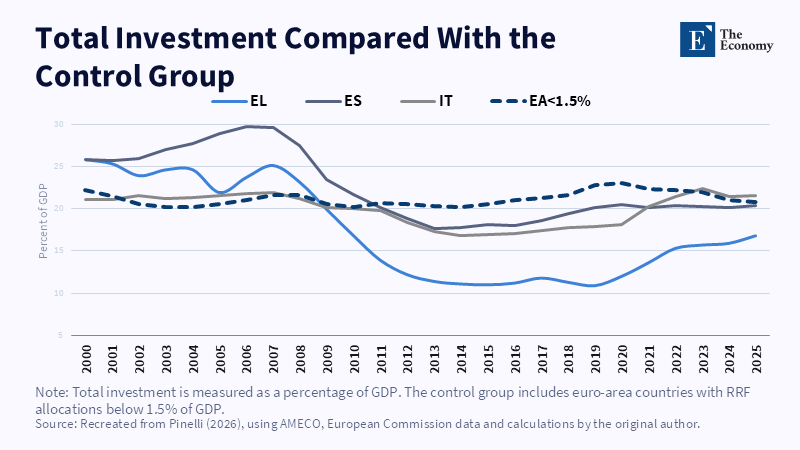
Note: Greece and Italy posted the largest rises in investment shares, while Spain’s increase was modest. Related article:
Read More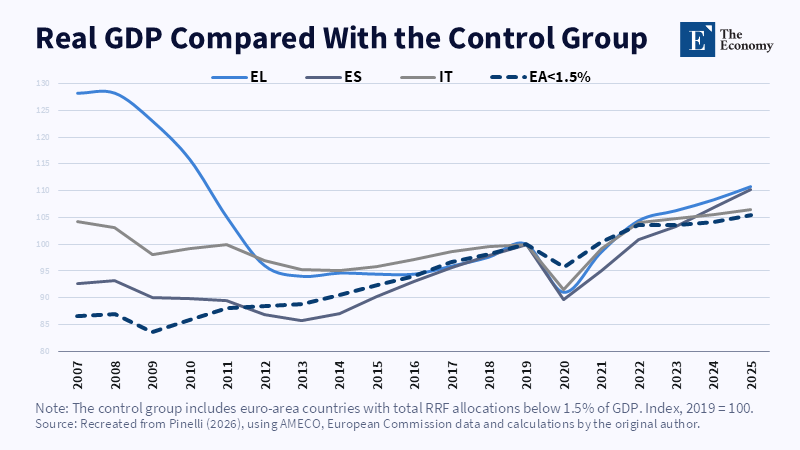
Note: Greece and Spain recorded the strongest output gains, while all three countries outperformed the low-allocation group. Related article:
Read More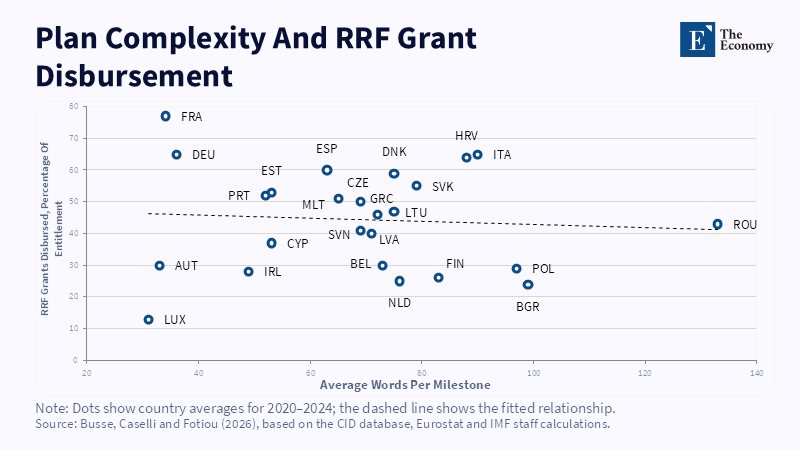
Note: More complex national plans were generally associated with slower grant disbursement. Related article: [Europ
Read More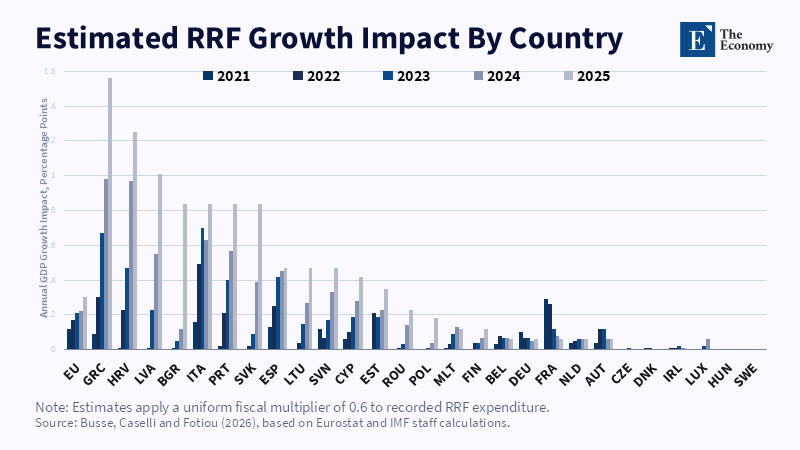
Note: The estimated growth impulse was largest in countries with the biggest RRF programmes. Related article: [Europ
Read More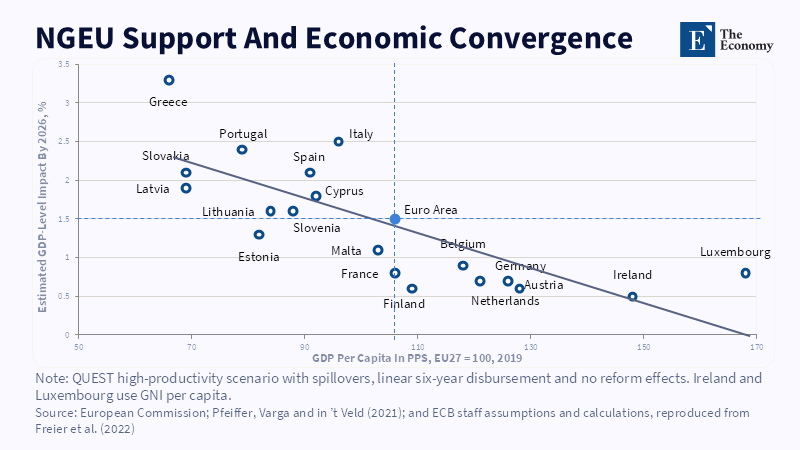
Note: Lower-income economies were expected to receive the largest GDP gains from NGEU. Related article: [Europe’s Fisc
Read More
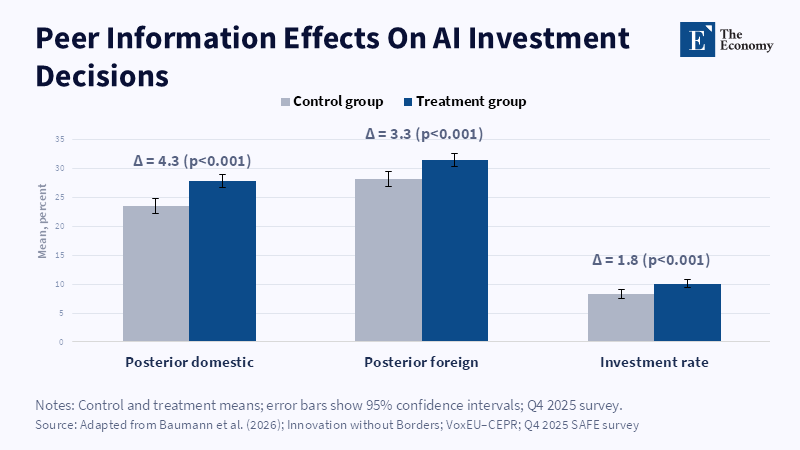
Note: Accurate peer information changes managers’ beliefs and raises planned AI investment by 1.8 percentage points. Related article: Europe’s AI Bo
Read More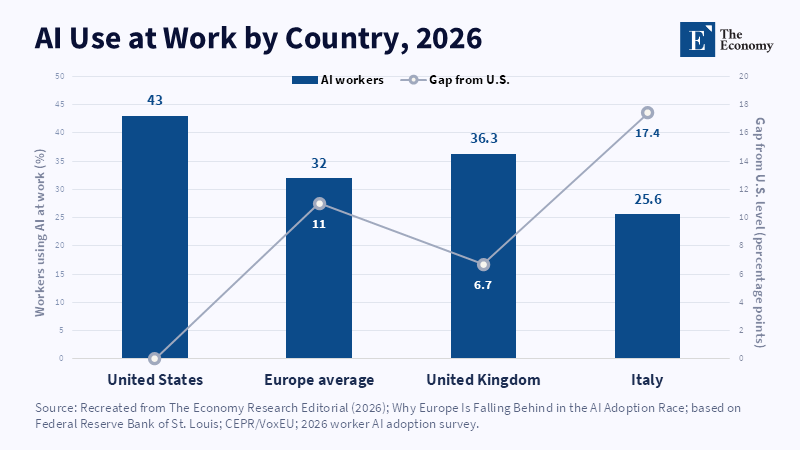
Note: Europe’s average worker AI use trails the United States by 11 percentage points, with a much wider gap in Italy. Related article: Europe’s AI B
Read More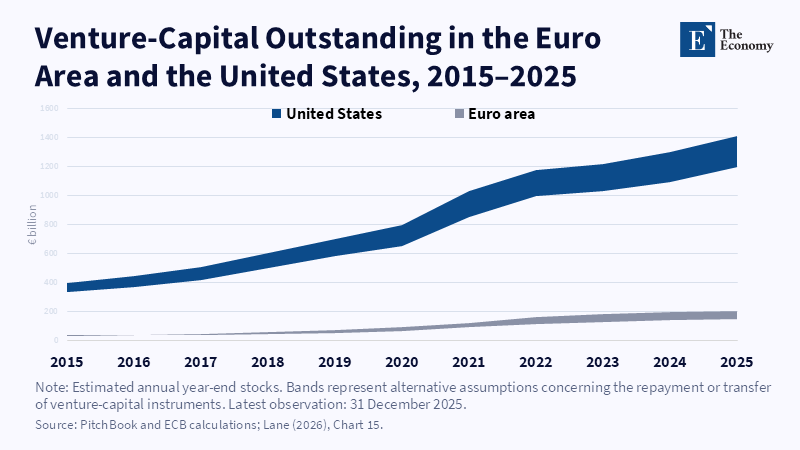
Note: The euro area’s smaller venture-capital base limits late-stage scaling and domestic ownership retention. Related article: Europe
Read More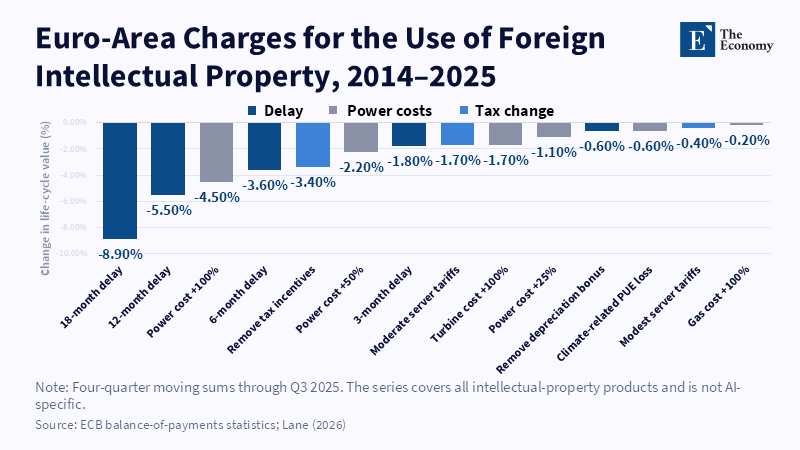
Note: Delays destroy more project value than higher electricity costs, making time to power a central constraint. Related article: Europ
Read More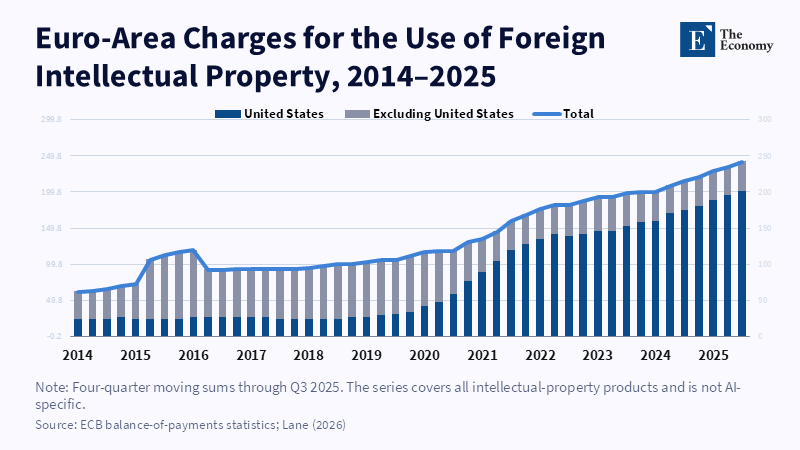
Note: Foreign-IP payments show how technology adoption can rise without equivalent domestic fiscal capture. Related article: Europe’s AI
Read More
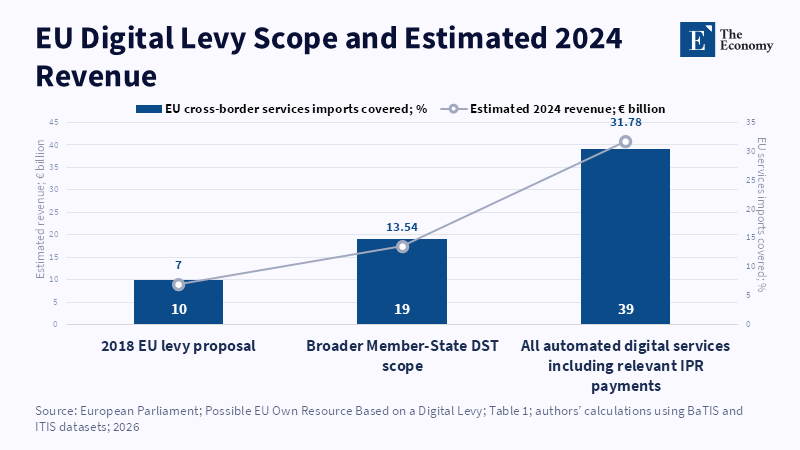
Note: Broader coverage raises more revenue but turns the levy into a wider tax on cross-border digital services. Related article: Taxing AI
Read More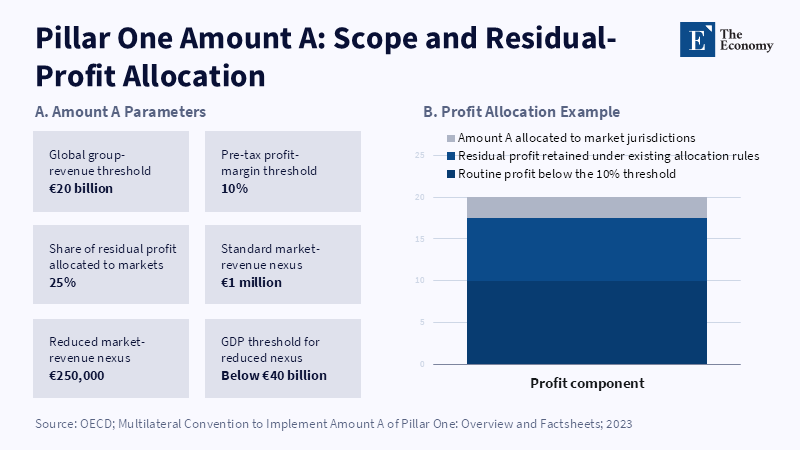
Note: Amount A would reallocate only 25% of profit above the 10% profitability threshold to eligible market jurisdictions.
Read More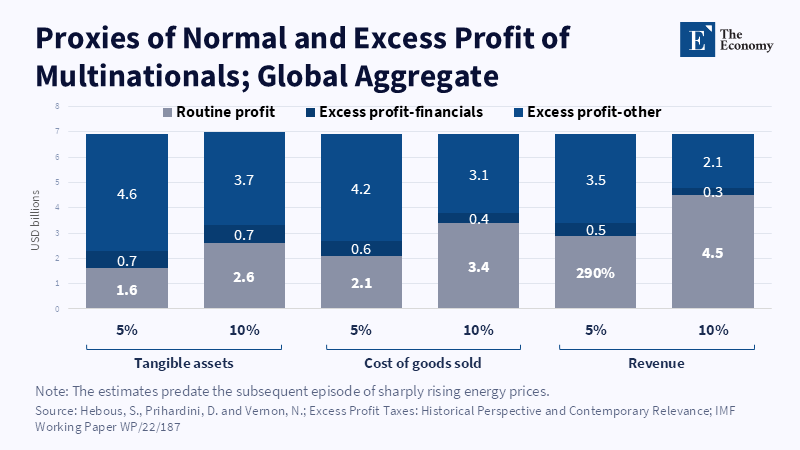
Note: The measured share of excess profit changes sharply with the benchmark used to define a normal return. Related article: Taxing AI Profi
Read More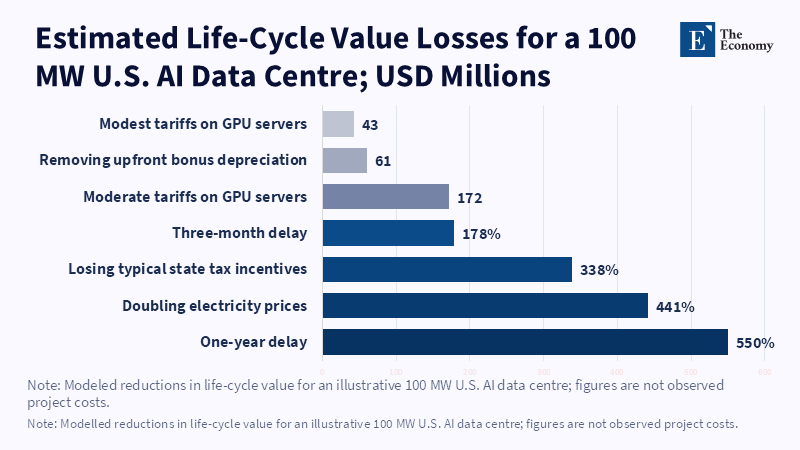
Note: Deployment delay can destroy more value than higher electricity prices or lost tax incentives, making time to power central to investment. Related article:
Read More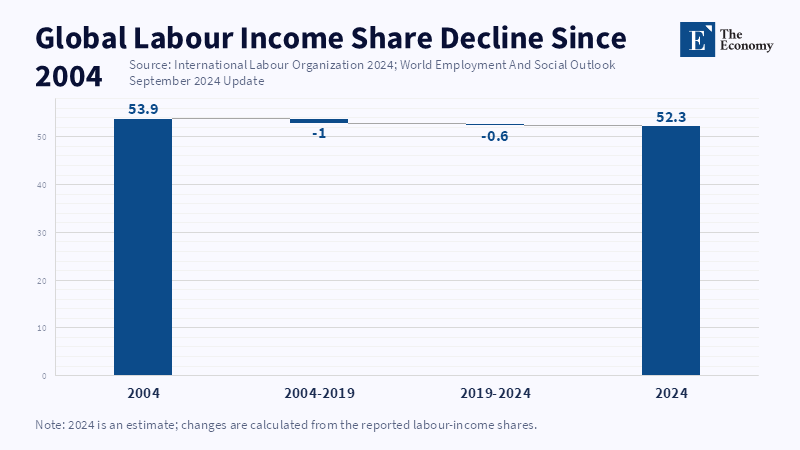
Note: Labour’s income share was already declining before widespread generative AI, leaving less room for further shifts toward capital. Related article:
Read More