AI Research Memo
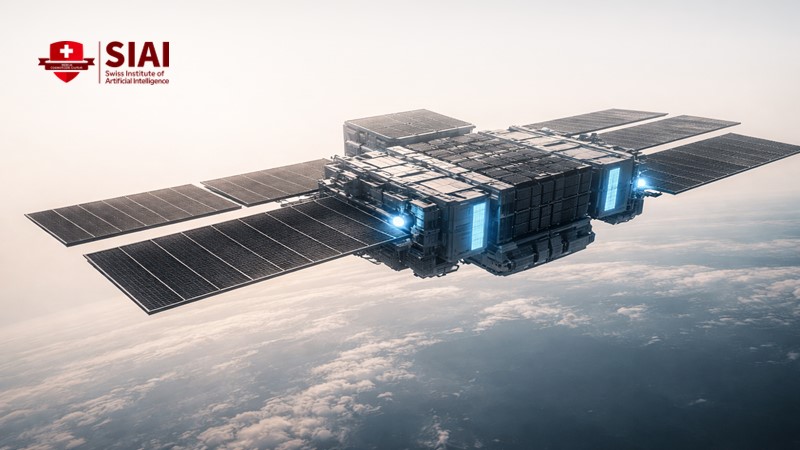
Orbital data centers could ease power and cooling limits on Earth The costs and climate trade-offs are still unclear Education should set rules now before orbit becomes a new dependency Global data centers consumed roughly 415 TW
Read More
Generative AI lifts advanced economies faster due to compute, connectivity, and wages Education faces a widening generative AI productivity gap without solid infrastructure Front-load broadband and compute, standardize platforms, and train teachers to close it
Read More
SB 53 is AI safety policy that also shapes U.S.
Read More

AI turns rumors into instant, system-wide stress Shared models and platforms cause herding and correlated errors Use timed frictions, model diversity, and critical-hub oversight The most important number in finance
Read More






AI video streaming is mainstream; tools are easier, directing still matters Without rights, provenance, and QC, slop scales and trust falls Train hybrids and set standards to gain speed without losing story Back in D
Read More
AI talking toys: brief, supervised language coaches Ban open chat; require child-safe defaults and on-device limits Regulate like car seats with tests, labels, and audits Right now, there’s something interesting happenin
Read More
LLMs slash coordination costs in teams Design- and model-minded co-create, instantly Protect diversity with drafts, provenance, human review Every second, a new developer is signing up for GitHub.
Read More
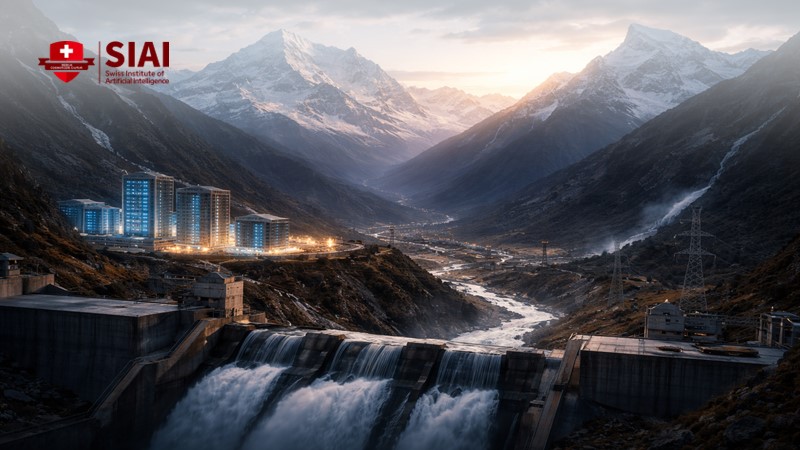
AI data centers drive Himalayan hydropower Buildout deepens China–India water tensions Demand 24/7 clean, redundant AI power China is betting big on hydropower to fuel a new era of AI and digital growth.
Read More

Humanoid robot limitations endure: touch, control, and power fail in the wild Hype beats reality; only narrow, structured tasks work Fund core research—tactile, compliant actuation, power—and use proven task robots We don't
Read More
48-hour takedowns for non-consensual deepfakes Narrow guardrails curb abuse, not innovation Schools/platforms: simple, fast reporting workflows Deepfake abuse is a vast and growing problem.
Read More
Teen chatbot safety is a public-health issue as most teens use AI daily Adopt layered age assurance, parental controls, and a school “teen mode” with crisis routing Set a regulatory floor and publish safety metrics so safe use becomes the default
Read More
AI today is pattern-matching, not reasoning—resist AGI hype Redesign assessments for explanation, sources, and uncertainty Procure on outcomes and risk logs; keep humans in charge The core challenge facing schools this year
Read More
Use space data centers to ease Earth’s compute and water strain—start with education Run low-latency classroom inference in LEO; keep training and sensitive data on Earth Pilot with strict SLAs, life-cycle audits, and debris plans before scaling
Read More

AI slop is flooding education and hiring, drowning out real skill Fix the system by verifying process—observed writing, evidence-linked claims, and a short oral defense Set provenance standards and incentives so accountable, source-grounded work beats paste
Read More
AI tools exclude people through missing data and bugs Count “no-decision” cases and use less-exclusionary methods with human review Set exclusion budgets, fix data flows, and publish exclusion rates A quiet fact sets
Read More
Export controls slow foes, not secure leadership Invest in compute, clean power, talent Make NAIRR-style Compute Commons permanent U.S. data centers used about 183 terawatt-hours of electricity in 2024, roughly 4% of total U.S.
Read More
Defense AI education is the bottleneck between record defense spending and real capability Train stack-aware teams with mission credentials Scale safely with oversight and shared compute In 2024, global military spendi
Read More