Tech
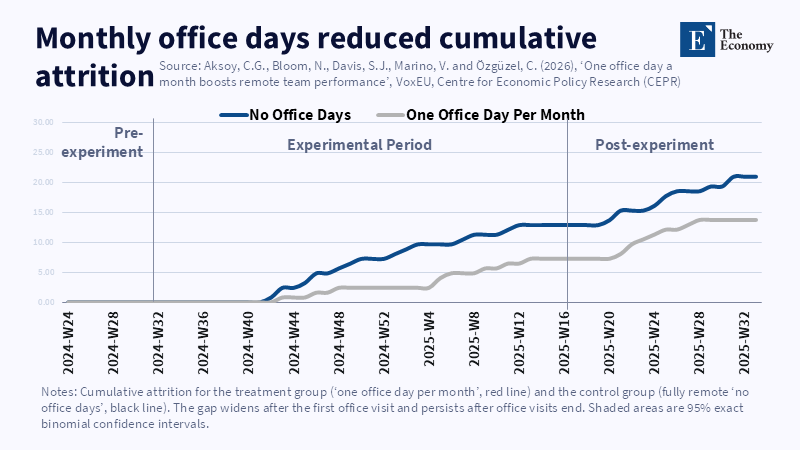
Monthly office contact was associated with lower cumulative attrition throughout the trial. Related Articles: Hybrid Work Productivity Depends on Des
Read More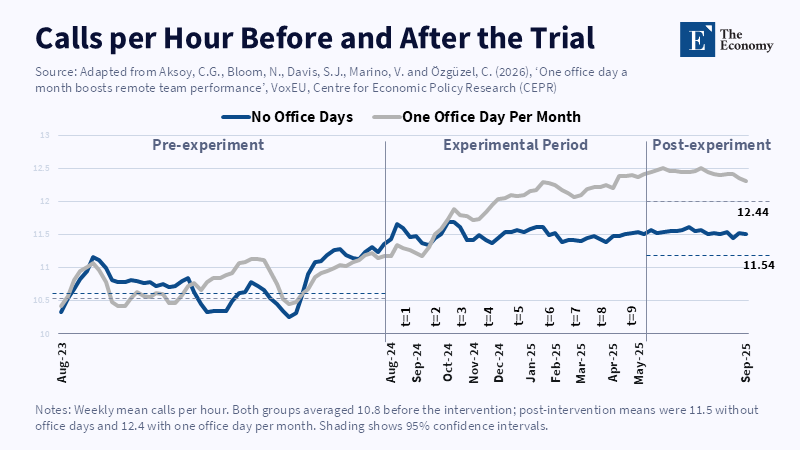
The productivity gap widened during the trial and remained after office visits ended. Related Articles: Hybrid Work Productivity Depends on Design, No
Read More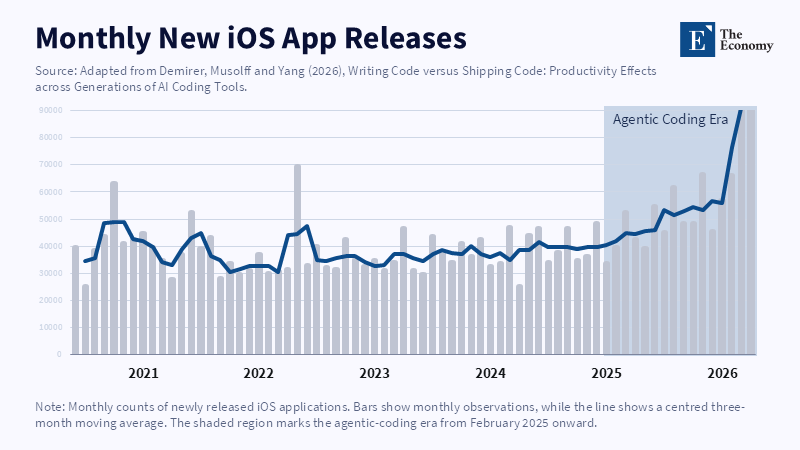
Agentic coding increased the supply of new apps, but release volume alone does not measure economic value.
Read More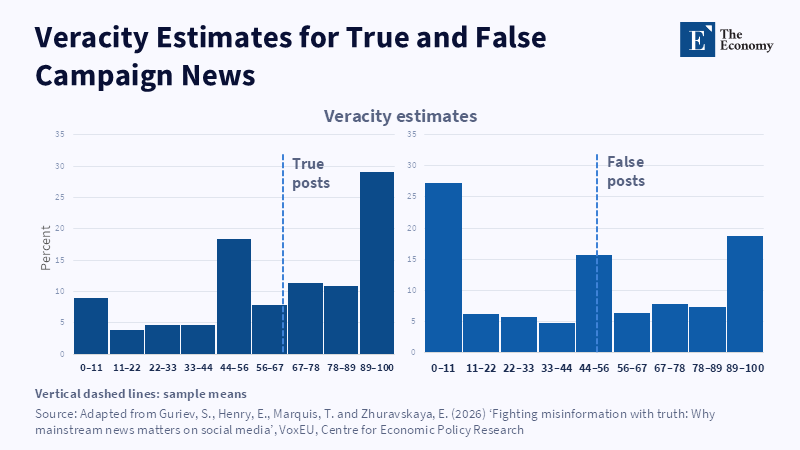
True posts were rated higher on average, but false posts still attracted enough belief to show why trusted information must be tested, not assumed. Related Articles:
Read More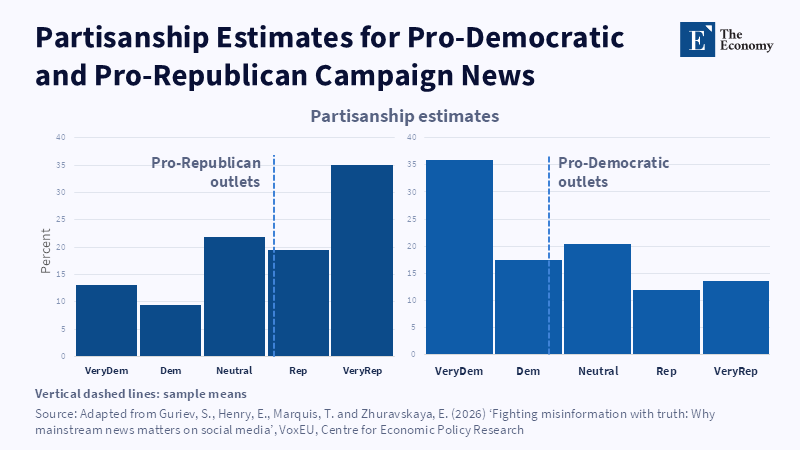
Readers identified partisan direction more clearly than factual accuracy, showing why political identity can overpower a mainstream media label. Related Articles:
Read More







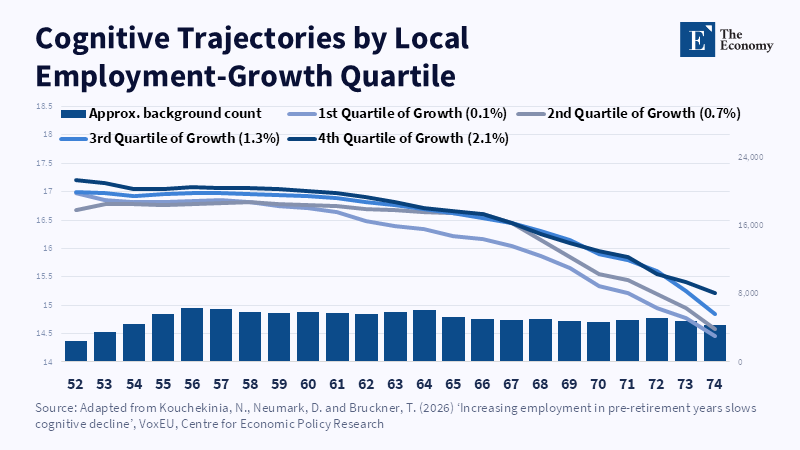
The employment-cognition link is visible but uneven, supporting caution rather than a simple claim that work protects the brain. Related Articles:
Read More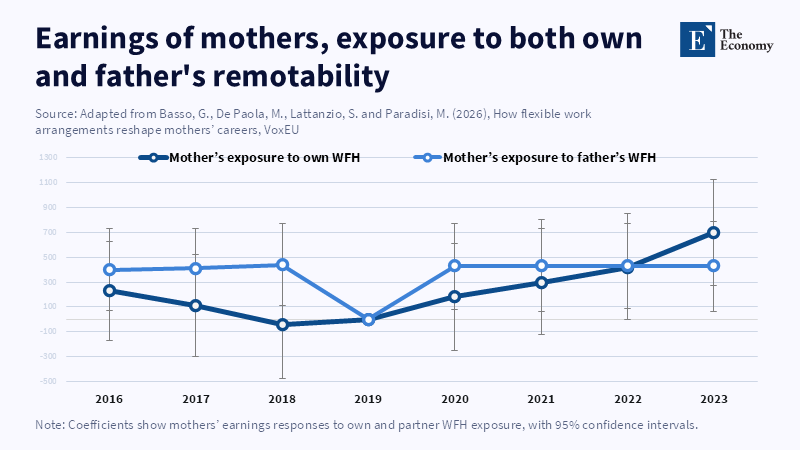
Mothers’ earnings improve not only with their own WFH exposure, but also when fathers or partners have more remote-work capacity. Related Articles: WFH Jobs Are Becomi
Read More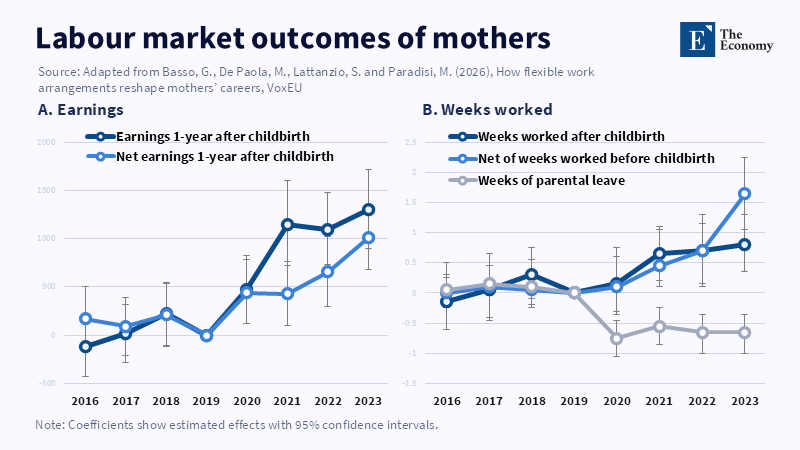
WFH exposure is linked to higher mothers’ earnings and more weeks worked after childbirth, while parental leave falls after 2020. Related Articles: WFH Jobs Are Becomin
Read More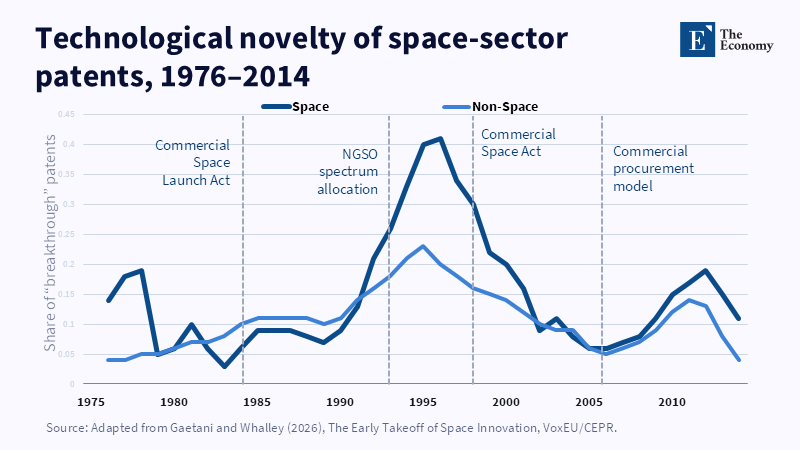
Market-making did not only raise patenting volume; it also changed the type of innovation space firms pursued. Related Articles: Space Innovation Fun
Read More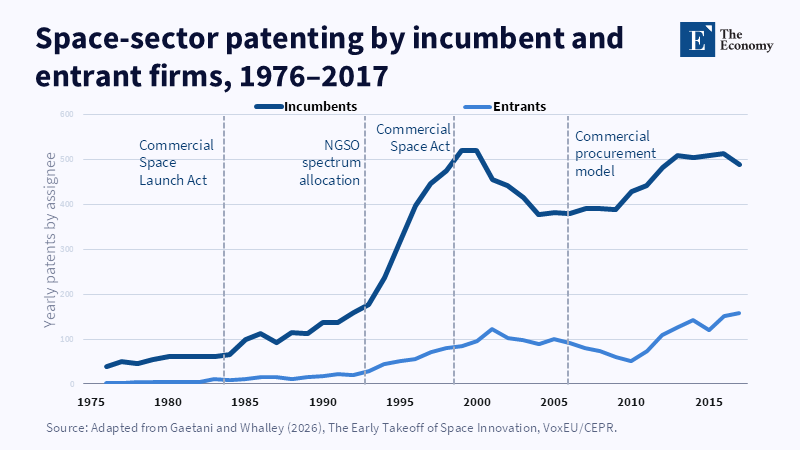
Entrants begin to matter when public rules and procurement make the space market credible. Related Articles: Space Innovation Funding Is the Missing H
Read More
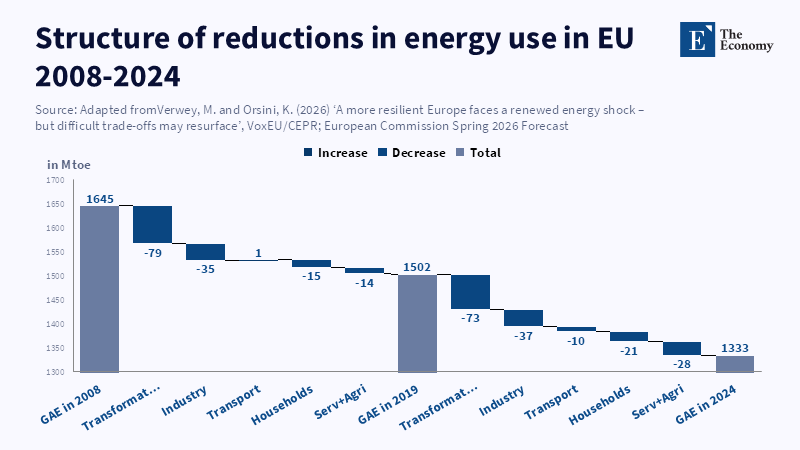
The fall in EU energy use shows adjustment and structural change, but not yet a full escape from imported fuel dependence. Related Articles: E
Read More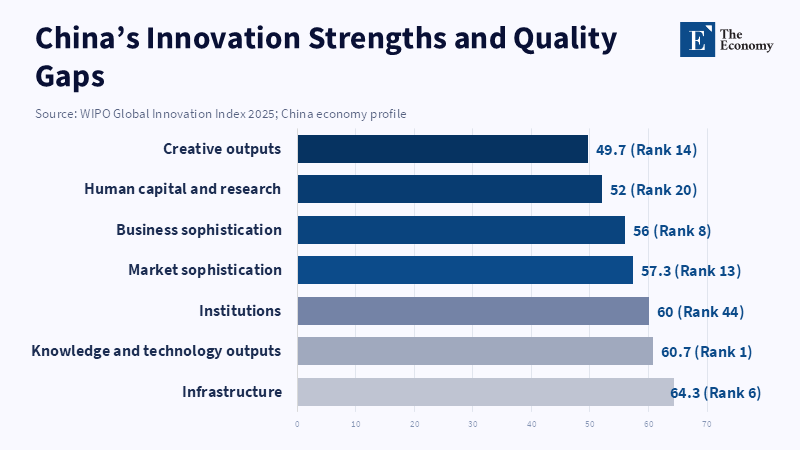
China’s innovation system is strong in output, but weaker institutional scores show why trust still has to be earned.
Read More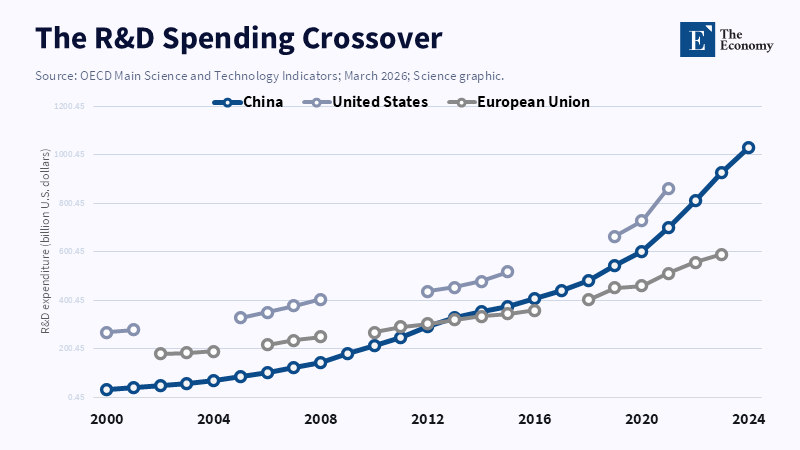
China’s R&D rise shows why its manufacturing story is shifting from low-cost scale to deeper scientific capability.
Read More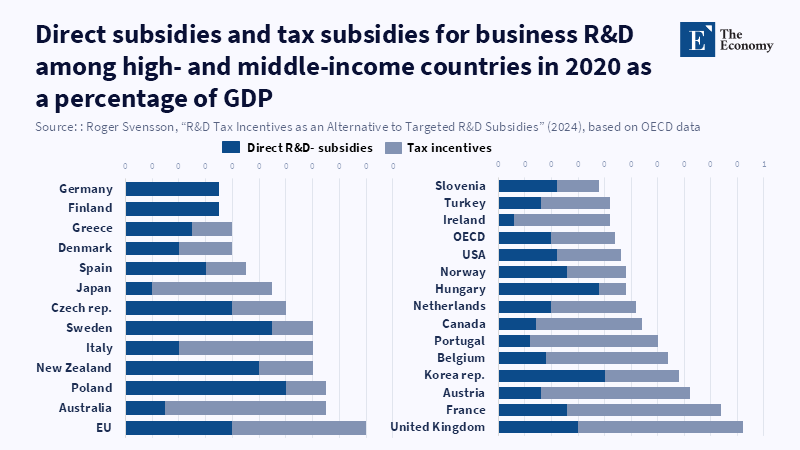
Public R&D support is not one model: some countries rely more on direct project funding, while others route support through tax incentives.
Read More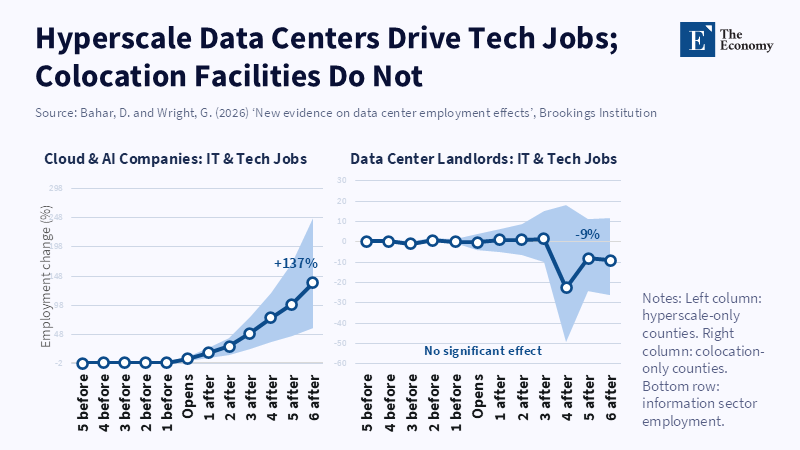
Tech-job spillovers appear around cloud and AI operators, while landlord-style colocation sites show no clear local IT effect.
Read More
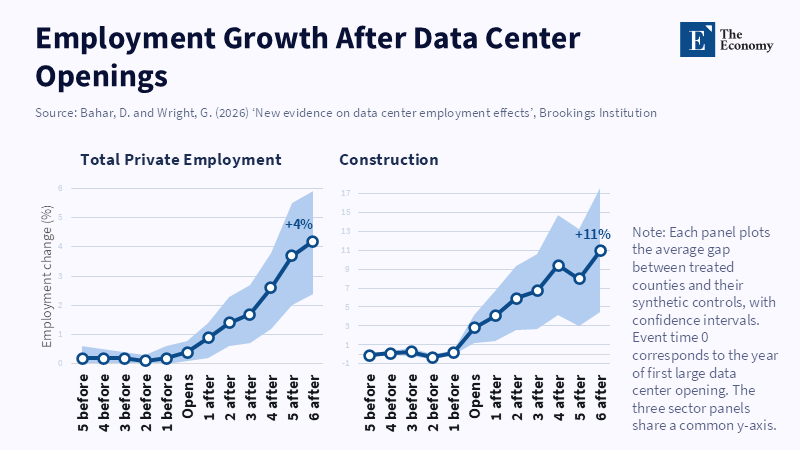
Data centers lift local employment, but the clearest early gain is concentrated in construction.
Read More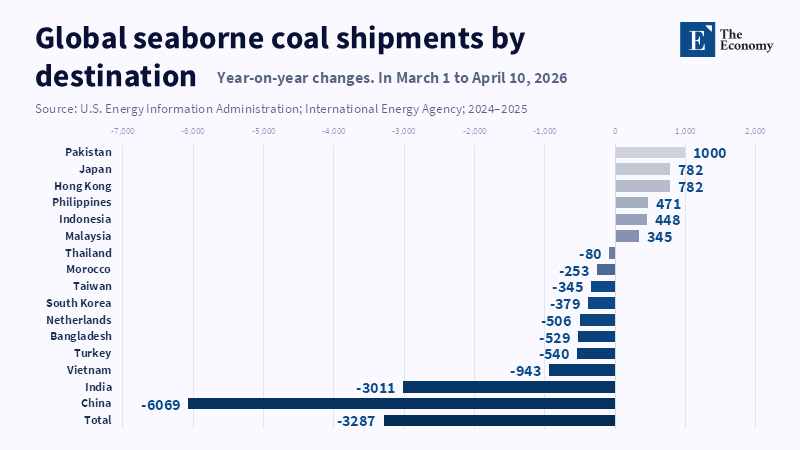
Coal shipment changes were uneven, but the sharpest declines came from China and India, complicating the idea of a broad coal rebound.
Read More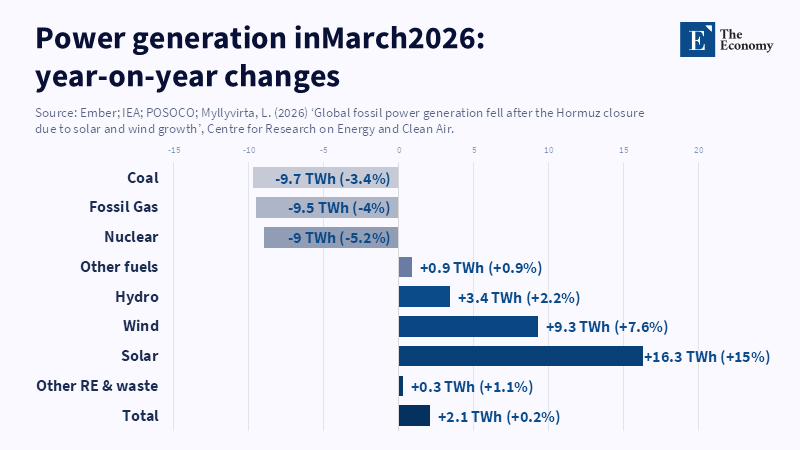
Solar and wind absorbed much of the shock, weakening the claim that the Hormuz crisis produced a simple coal comeback.
Read More