Financial
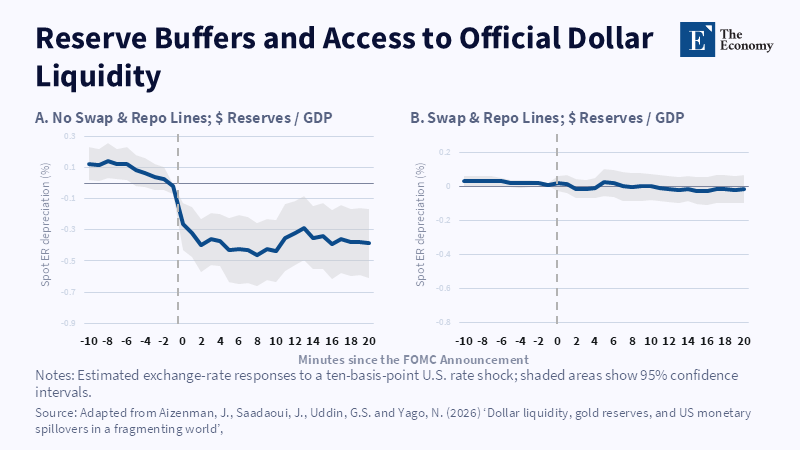
Note: Dollar reserves blunt Fed shocks mainly where countries lack official swap or repo access. Related article: Gold Cannot Stop a Dollar Run: Why Dollar S
Read More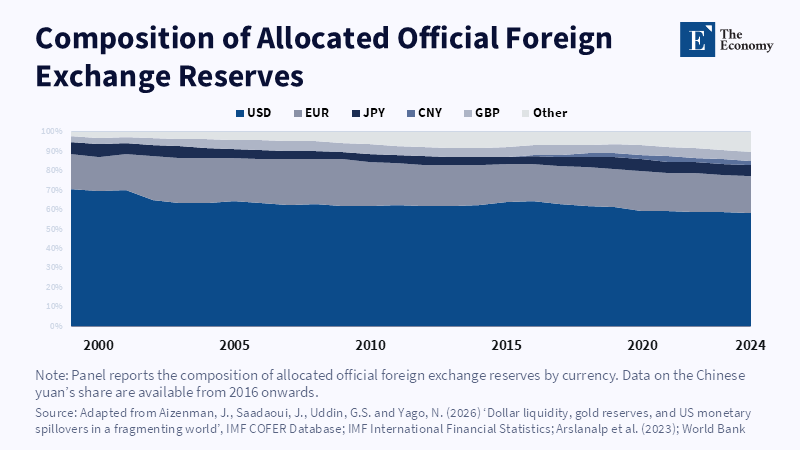
Note: The dollar still dominates official reserves, even as reserve managers diversify around the edges. Related article: Gold Cannot Stop a Dollar Run: Why D
Read More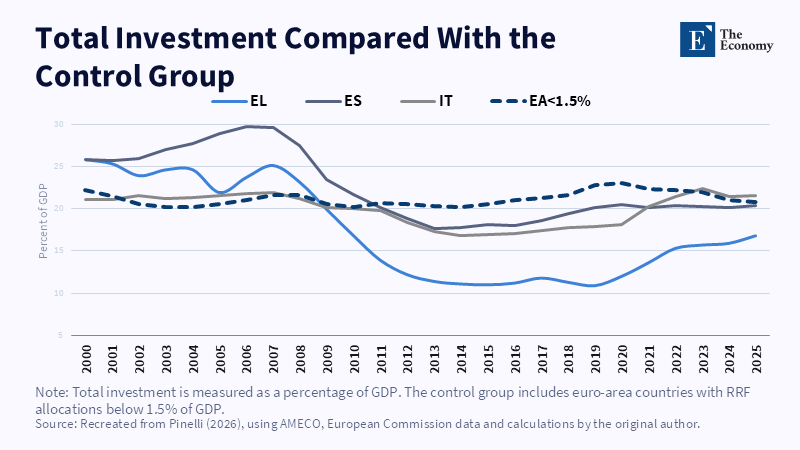
Note: Greece and Italy posted the largest rises in investment shares, while Spain’s increase was modest. Related article:
Read More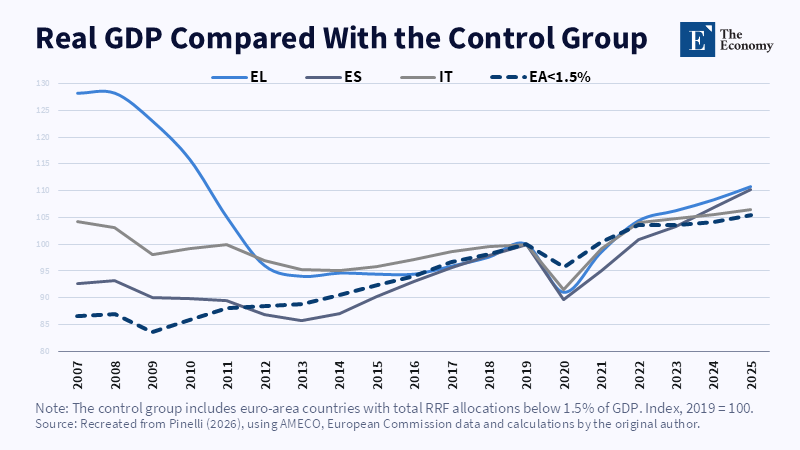
Note: Greece and Spain recorded the strongest output gains, while all three countries outperformed the low-allocation group. Related article:
Read More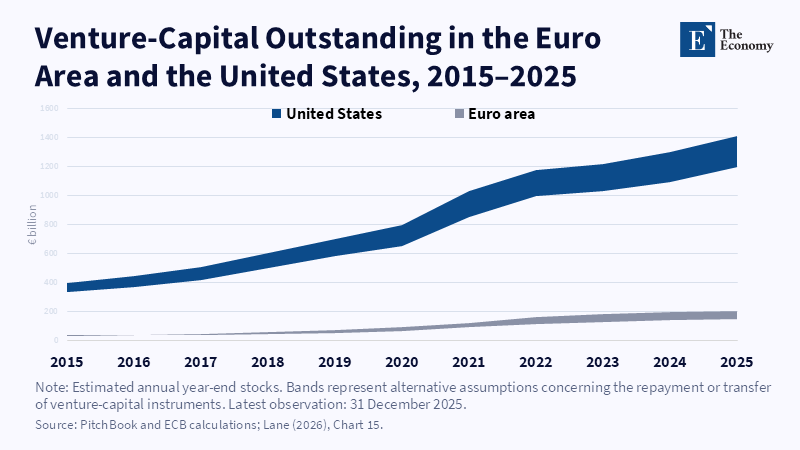
Note: The euro area’s smaller venture-capital base limits late-stage scaling and domestic ownership retention. Related article: Europe
Read More







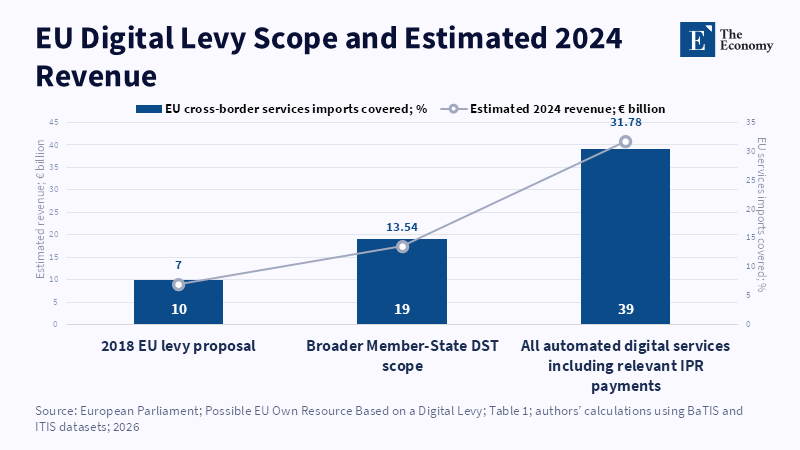
Note: Broader coverage raises more revenue but turns the levy into a wider tax on cross-border digital services. Related article: Taxing AI
Read More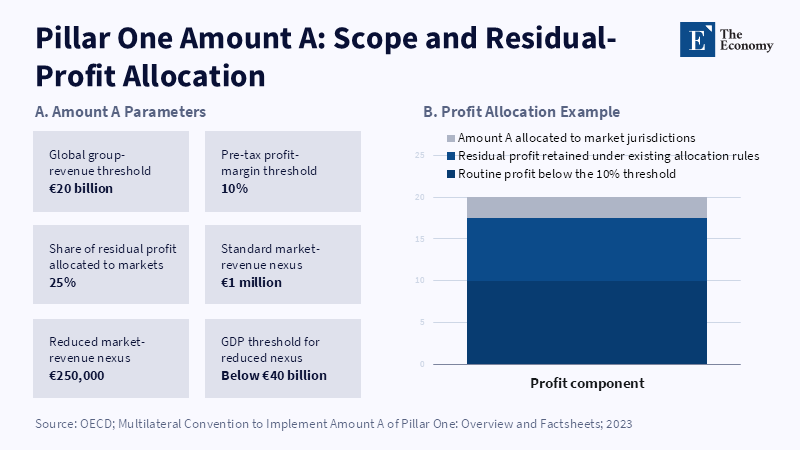
Note: Amount A would reallocate only 25% of profit above the 10% profitability threshold to eligible market jurisdictions.
Read More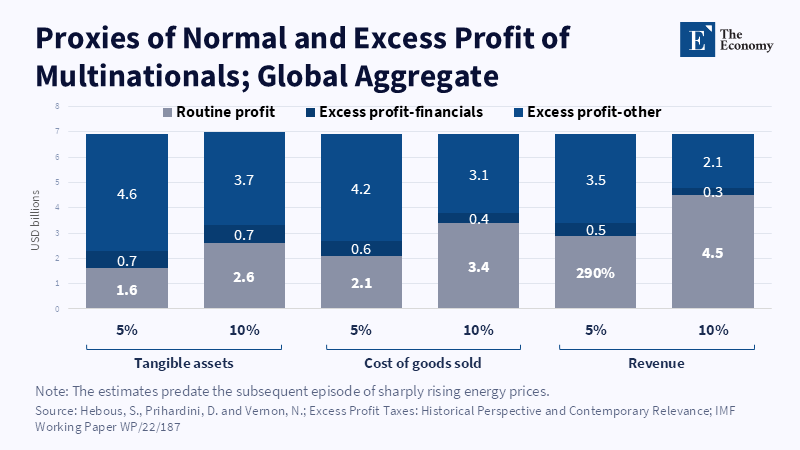
Note: The measured share of excess profit changes sharply with the benchmark used to define a normal return. Related article: Taxing AI Profi
Read More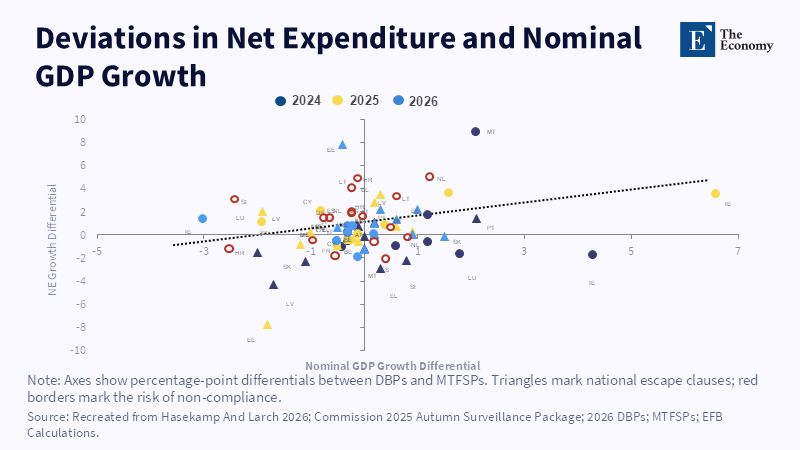
Note: Most observations remain procyclical, showing that expenditure plans still respond to short-term growth surprises.
Read More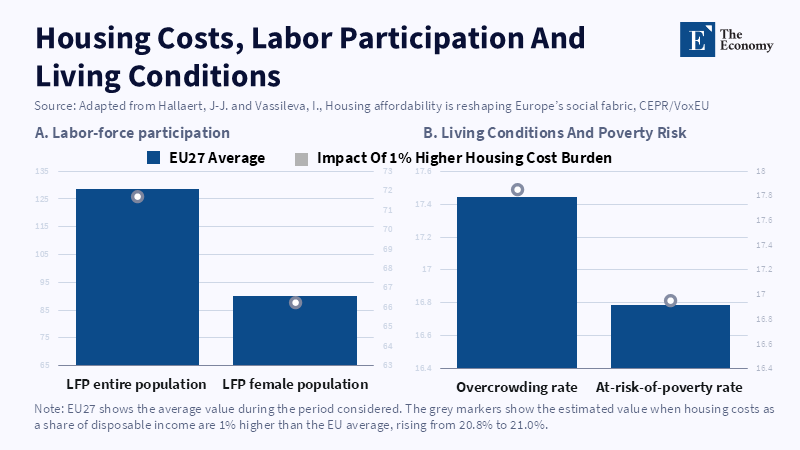
Figure 1: Even a small rise in the housing-cost burden is linked to lower labour-force participation and worse living conditions, reinforcing housing as a labour-market constraint. Related article:
Read More
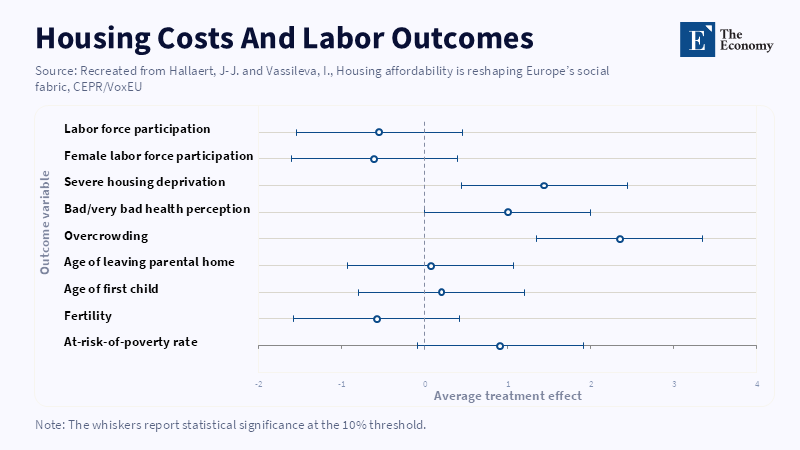
Figure 1: Higher housing costs are associated with weaker labour participation and wider social strain, especially overcrowding, housing deprivation, poverty risk and health pressure. Related articl
Read More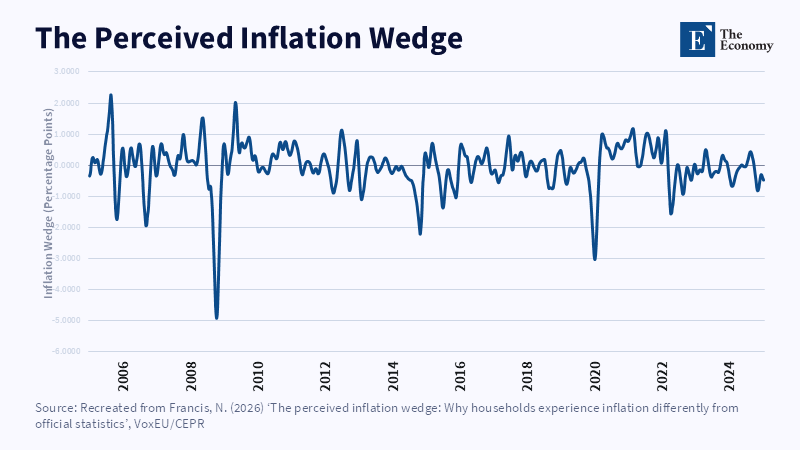
Figure 2:The wedge widens when household price perceptions diverge from official inflation. Related article: Perceived Inflation Is the New Test of Price
Read More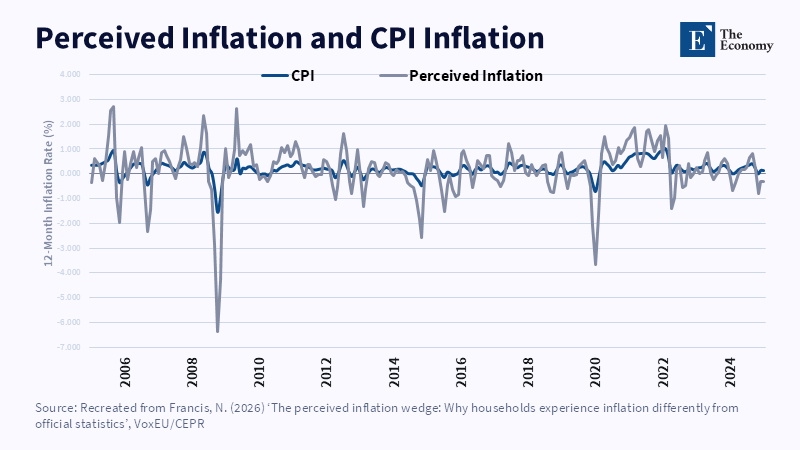
Figure 1: Perceived inflation broadly tracks CPI but reacts more sharply during major price shocks. Related article: Perceived Inflation Is the New Test of
Read More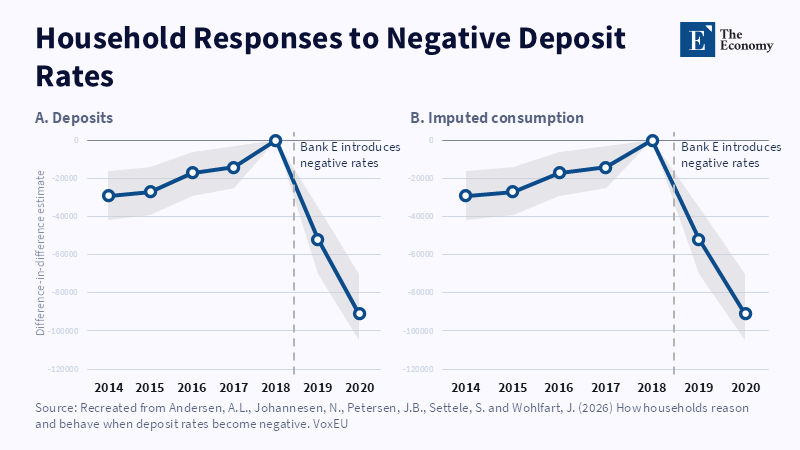
Figure 1: Danish households exposed to negative deposit rates cut deposits sharply while estimated consumption rose after exposure. Related article:
Read More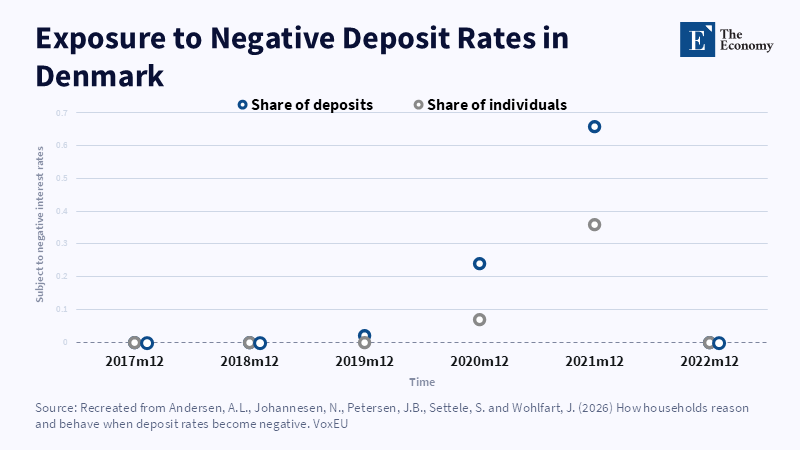
Figure 1: Negative rates spread quickly across Denmark, reaching about one-third of individuals and two-thirds of deposits by late 2021. Related article:
Read More
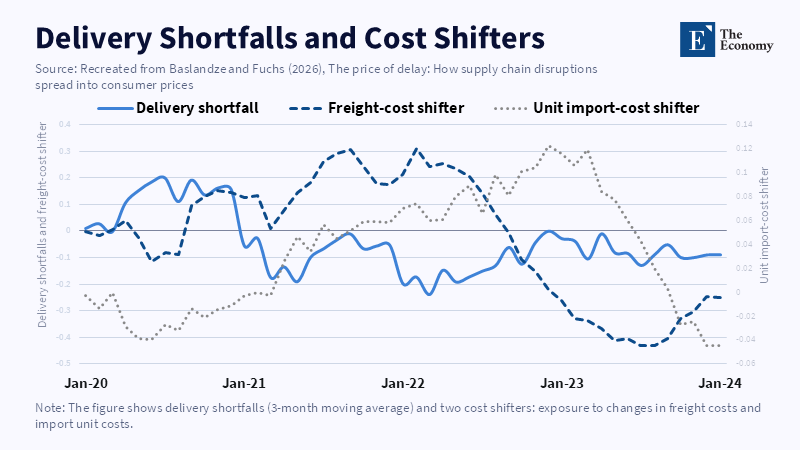
Figure 2: Delivery shortfalls moved with freight and import-cost pressures, showing how scarcity and costs reinforced each other. Related article: Su
Read More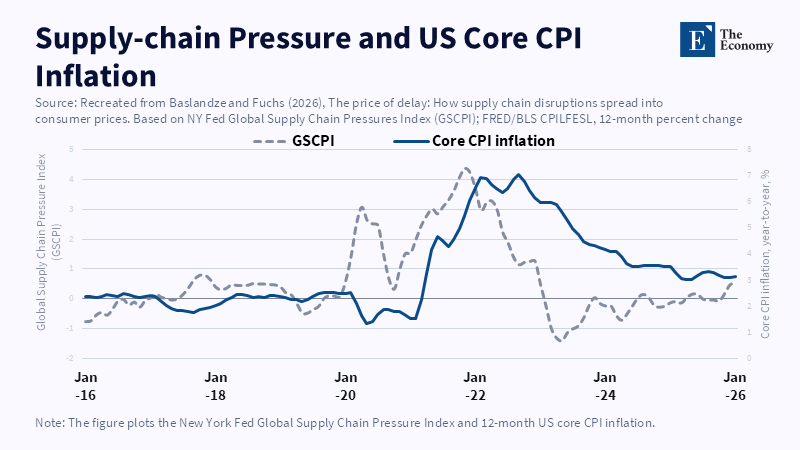
Figure 1: Supply-chain pressure surged before core inflation peaked, showing why logistics shocks can become delayed price pressure. Related article: Su
Read More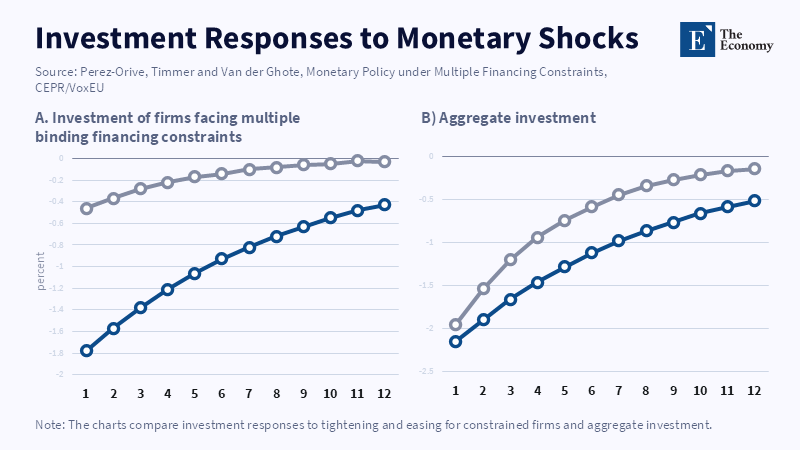
Figure 2: The model shows tightening causes a deeper investment fall than equal easing can reverse. Related articles: Asymmetric Monetary Policy an
Read More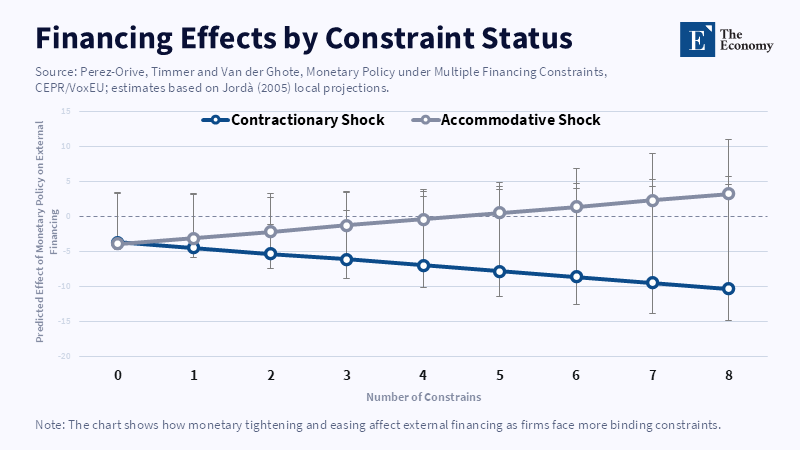
Figure 1: Tightening cuts external financing more sharply as firms face more binding constraints. Related article: Asymmetric Monetary Policy and th
Read More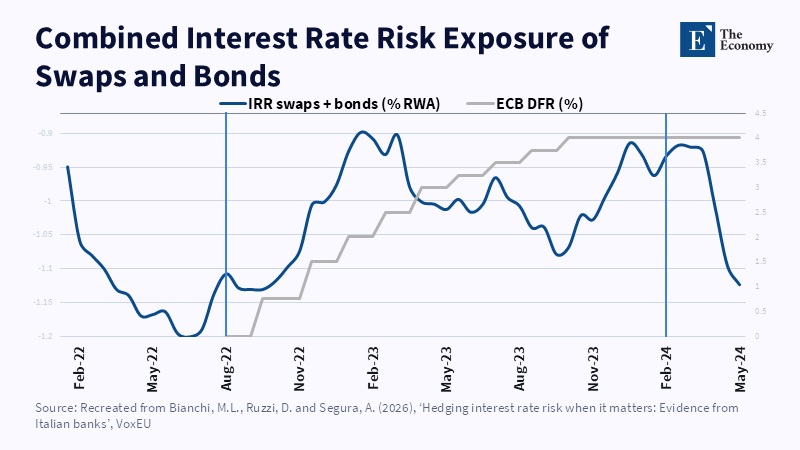
As the ECB tightening cycle advanced, combined swap-and-bond exposure became less negative, showing that hedging intensified when rate risk became visible. Related Articles:
Read More