Industry
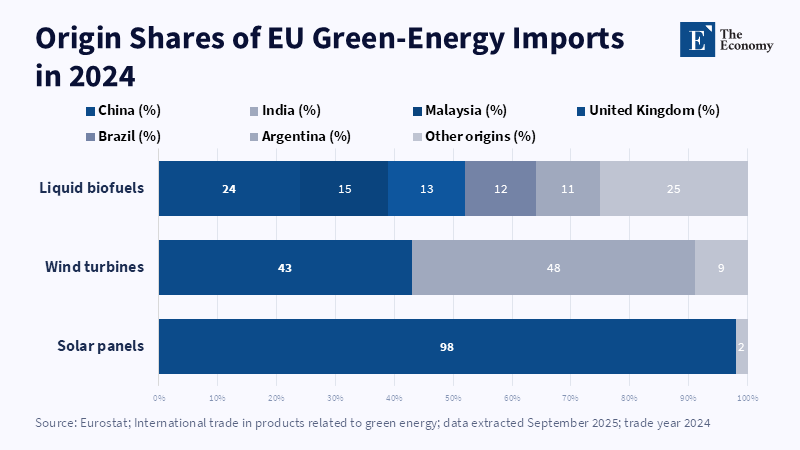
Note: Solar-panel sourcing is almost entirely concentrated in China, while wind turbines and liquid biofuels have broader—but still concentrated—supplier structures. Related article:
Read More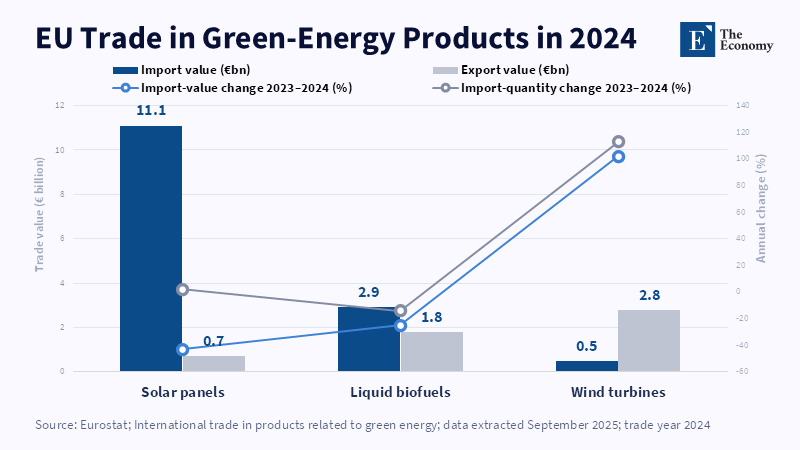
Note: Solar panels remain strongly import-oriented, whereas wind turbines retain an export surplus and recorded rapid growth in both import value and quantity. Related article:
Read More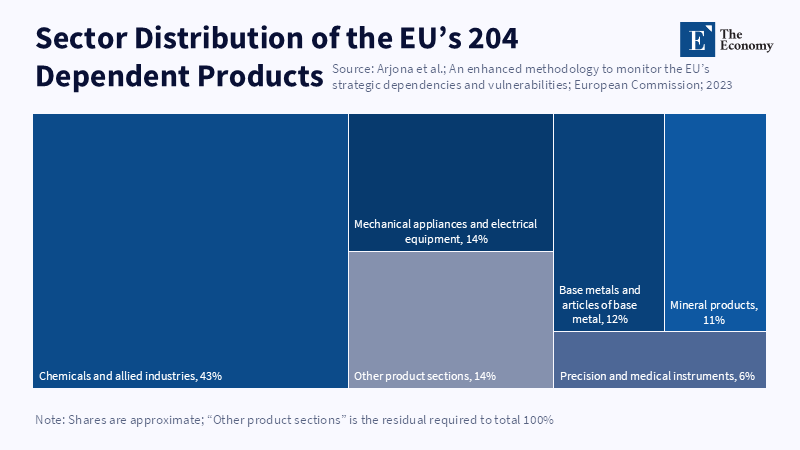
Note: Chemicals account for the largest dependency share, while machinery, metals, minerals, and precision goods together represent nearly half of identified products. Related article:
Read More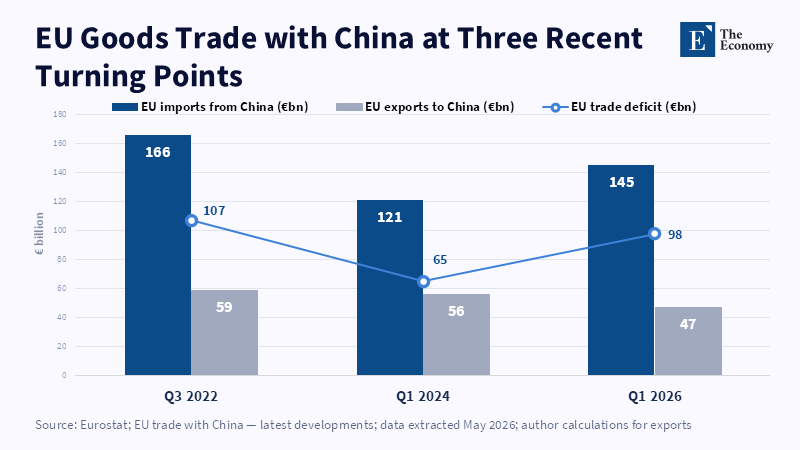
Note: The EU–China goods deficit narrowed after 2022 but widened again by Q1 2026 as imports recovered and exports weakened. Related article: [EU vs.
Read More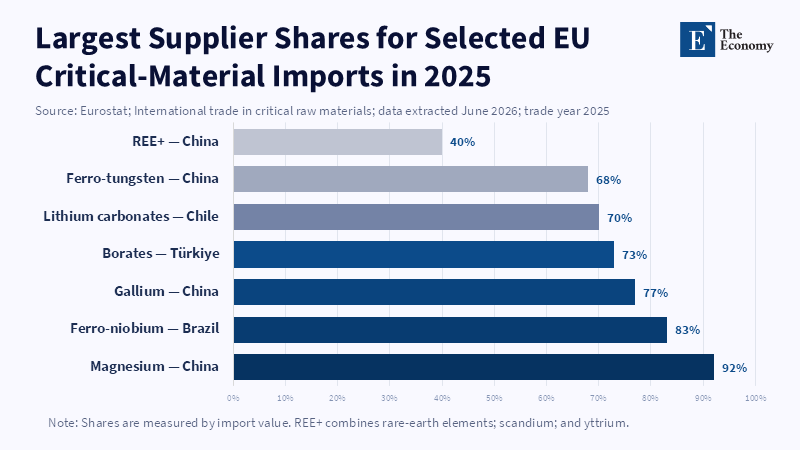
Note: Critical-material risk becomes strategic when supplier concentration meets weak substitution options. Related article: Europe’s China Risk Is Not
Read More







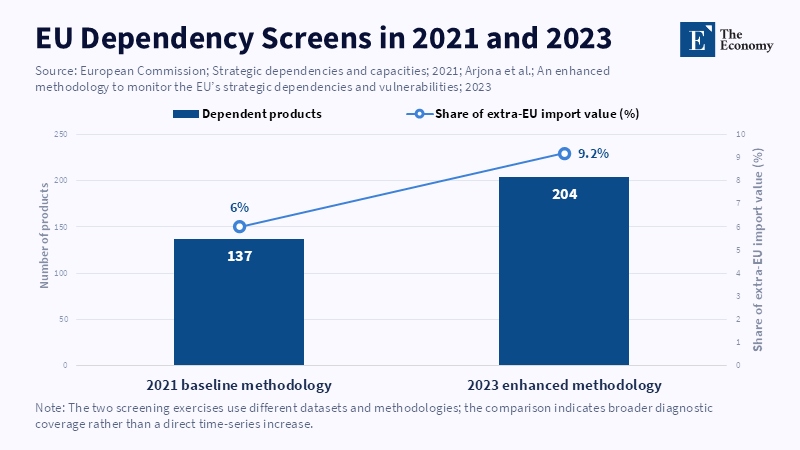
Note: Better screening shows that Europe’s dependency problem is narrower than headline import shares suggest. Related article: Europe’s China Risk Is N
Read More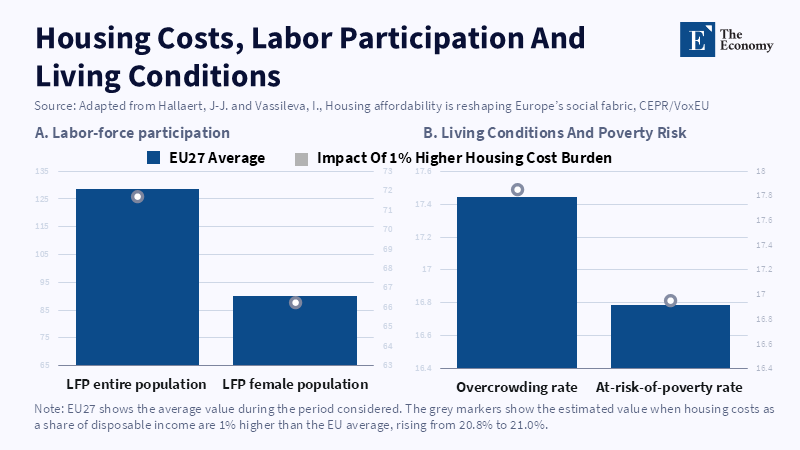
Figure 1: Even a small rise in the housing-cost burden is linked to lower labour-force participation and worse living conditions, reinforcing housing as a labour-market constraint. Related article:
Read More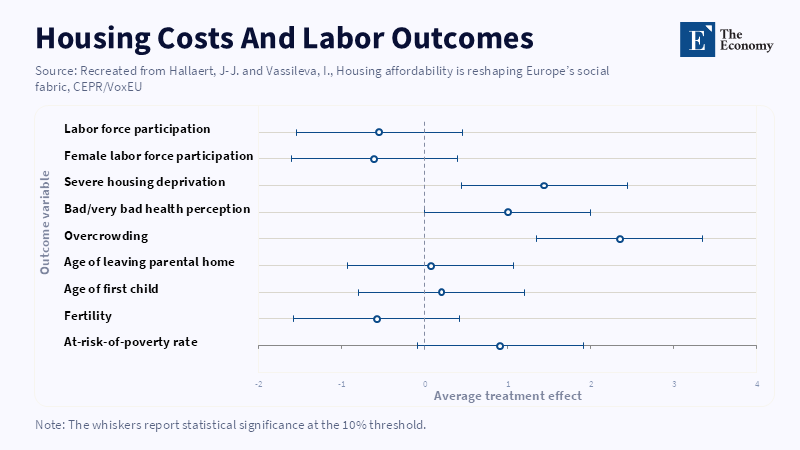
Figure 1: Higher housing costs are associated with weaker labour participation and wider social strain, especially overcrowding, housing deprivation, poverty risk and health pressure. Related articl
Read More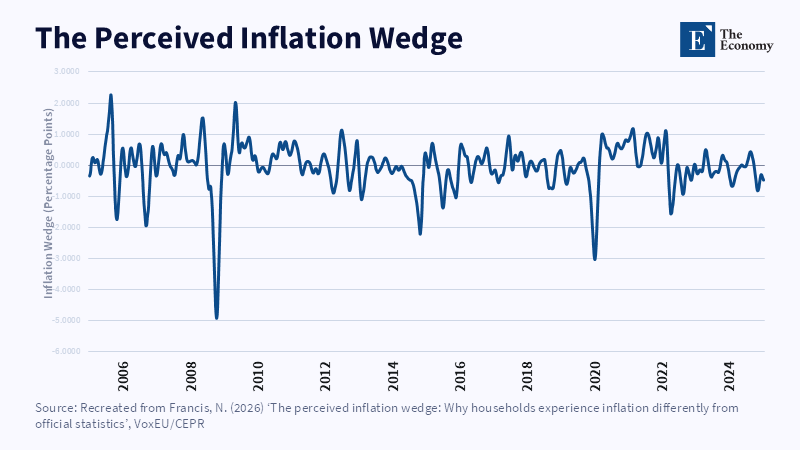
Figure 2:The wedge widens when household price perceptions diverge from official inflation. Related article: Perceived Inflation Is the New Test of Price
Read More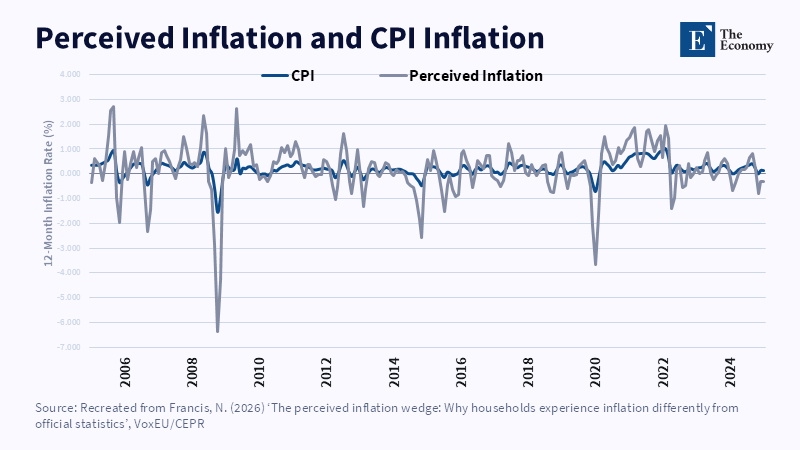
Figure 1: Perceived inflation broadly tracks CPI but reacts more sharply during major price shocks. Related article: Perceived Inflation Is the New Test of
Read More
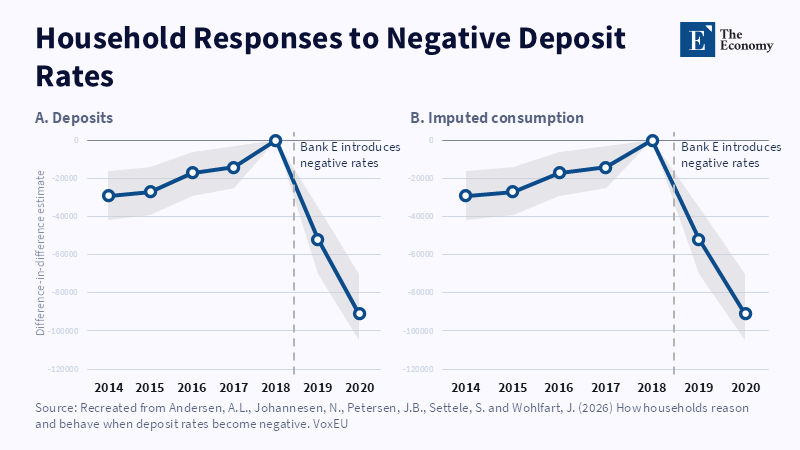
Figure 1: Danish households exposed to negative deposit rates cut deposits sharply while estimated consumption rose after exposure. Related article:
Read More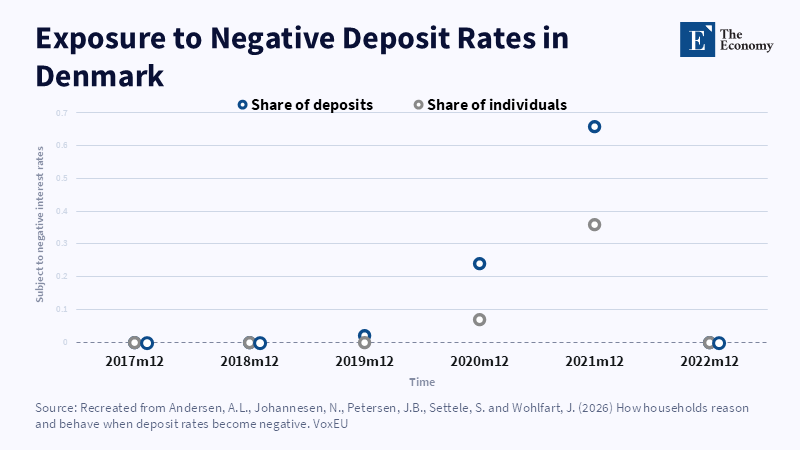
Figure 1: Negative rates spread quickly across Denmark, reaching about one-third of individuals and two-thirds of deposits by late 2021. Related article:
Read More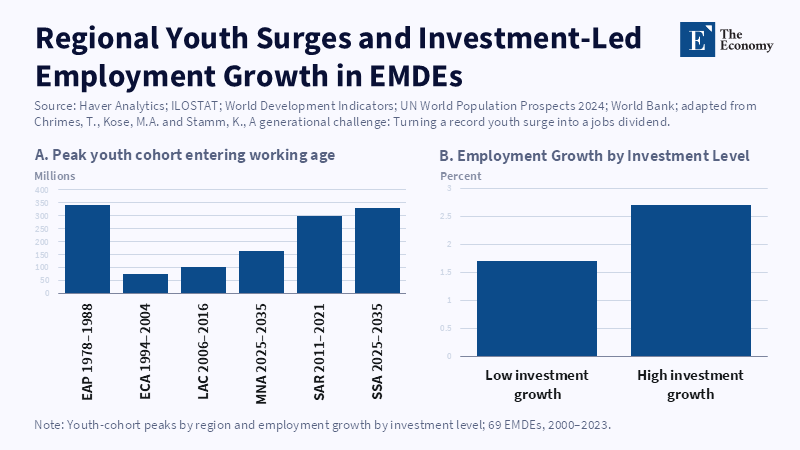
Figure 1: Large youth cohorts become a dividend only when investment turns labour supply into employment growth. Related article: The New Labour Barga
Read More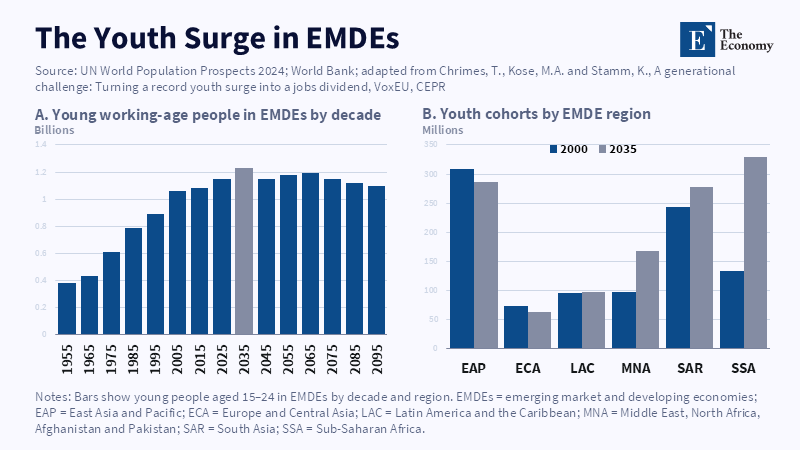
Figure 1: The youth surge is shifting toward South Asia and Sub-Saharan Africa, making EMDE job creation a global labour-market issue. Related article:
Read More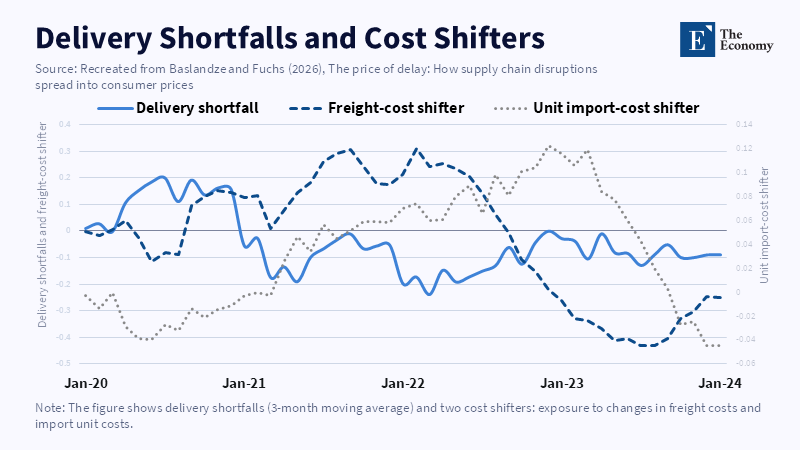
Figure 2: Delivery shortfalls moved with freight and import-cost pressures, showing how scarcity and costs reinforced each other. Related article: Su
Read More
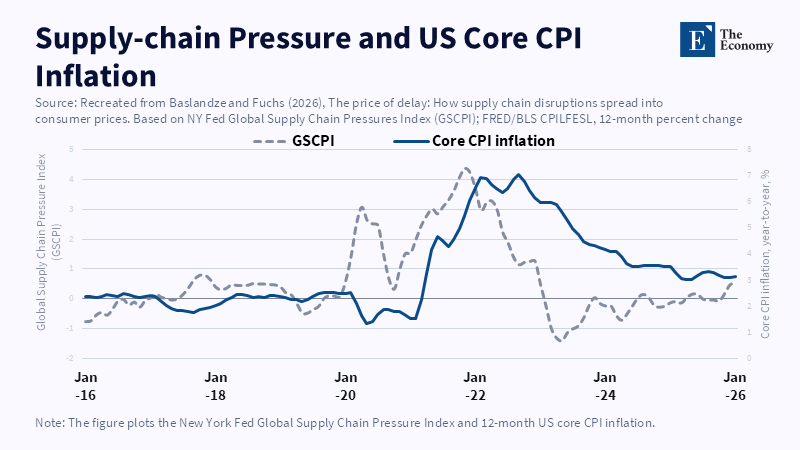
Figure 1: Supply-chain pressure surged before core inflation peaked, showing why logistics shocks can become delayed price pressure. Related article: Su
Read More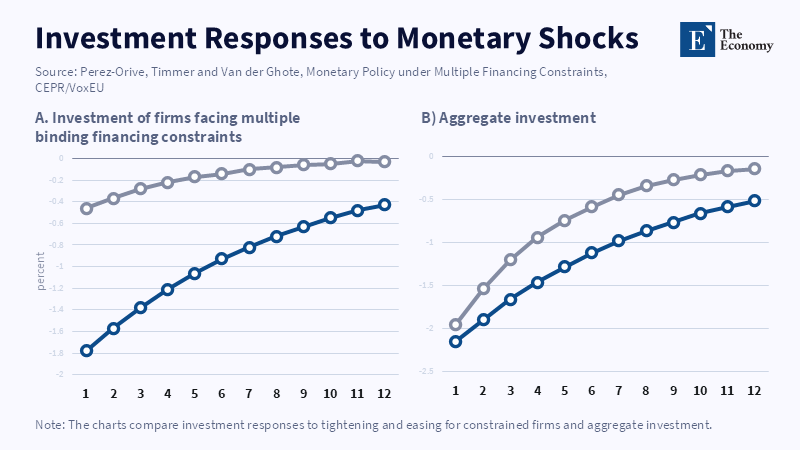
Figure 2: The model shows tightening causes a deeper investment fall than equal easing can reverse. Related articles: Asymmetric Monetary Policy an
Read More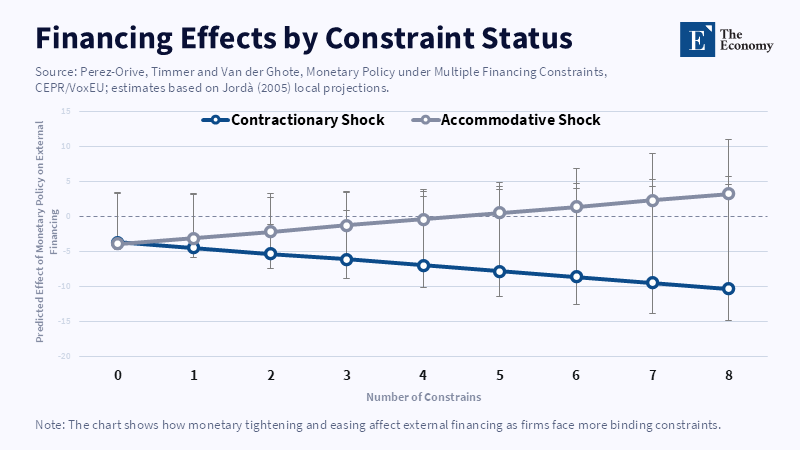
Figure 1: Tightening cuts external financing more sharply as firms face more binding constraints. Related article: Asymmetric Monetary Policy and th
Read More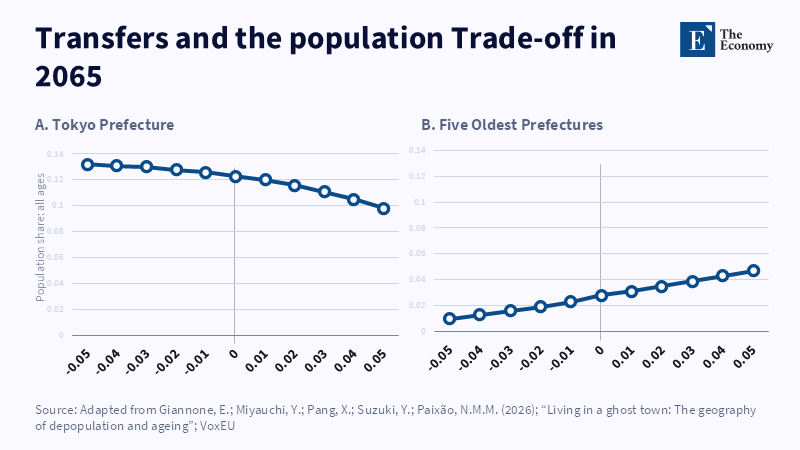
Figure 2: Transfers can slow decline in the oldest prefectures, but the gain comes with a visible reduction in Tokyo’s population share. Related Article:
Read More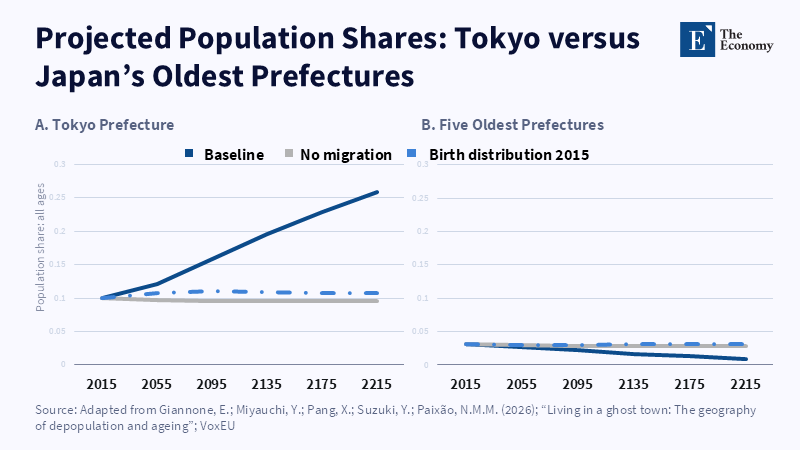
Figure 1: Tokyo’s projected rise and the oldest prefectures’ decline show that Japan’s demographic crisis is also a spatial planning problem. Related Articles:
Read More