AI, Finance & Monetary Systems

AI can make basic financial guidance cheaper and more personal Its advice often follows life-cycle theory but falls back on rough rules Public standards are needed before guidance becomes automated action
Read More
AI trading can turn private choices into one crowded move DQN tools may create stronger herding than LLMs The policy goal is market diversity, not just smarter trading
Read More
AI can weaken the local tax base. Bond yields reveal that fiscal risk Policy must track local value, not AI adoption Over 40% of all jobs in the world are exposed to AI; in advanced economies, it is about 60%.
Read More
Monetary policy shocks often begin as interpretation failures, not true surprises Newspaper coverage, market reports and investors can distort the central bank’s original signal LLMs may help expose where human bias enters the policy communication chain
Read More
AI turns rumors into instant, system-wide stress Shared models and platforms cause herding and correlated errors Use timed frictions, model diversity, and critical-hub oversight The most important number in finance
Read More






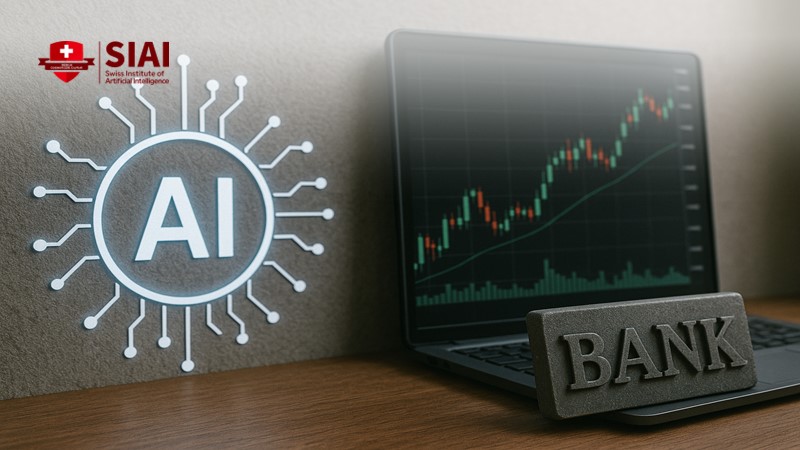

AI readiness in financial supervision decides who adopts fast and who falls behind In 2024, only 19% used generative tools, with advanced economies far ahea Fund data and governance, scale proven pilots, and measure real outcomes
Read More
Digital bank runs can drain banks in hours, outpacing current LAC rules. Raise LAC for mid-sized, high-digital banks using uninsured-deposit and network metrics AI-amplified rumors heighten correlation, so stress tests and resolution must run on 24-hour clocks
Read More
Internal AI now performs junior work, collapsing the old apprenticeship Education must build AI finance talent—aim, audit, and explain models Policy should fund governance sandboxes to grow trusted hybrid roles The most meaningf
Read More
AI adoption is concentrated on a few cloud and model providers, creating systemic fragility Correlated behavior and shared updates can amplify shocks across markets Regulators should stress-test correlation, mandate redundant rails, and map dependencies to safeguard AI financial stability
Read More

Stablecoin banking—not lending apps—now drives the real contest over payment infrastructure Stablecoins move trillions monthly as regulation and instant domestic rails converge Universities should pilot cross-border stablecoin payments and teach the operational playbook
Read More
Network credit models aren’t “inexplicable”—they can and must give faithful reasons Adopt “no reason, no model”: require per-decision reason packets and auditable graph explanations Regulators and institutions should enforce this operational XAI so that denials are accountable and contestable
Read More
Antitrust breakups miss the real battleground: AI assistants, not blue links Prioritize interoperability and open defaults to keep markets contestable Track assistant-led discovery, not just search share, to safeguard users and educators
Read More