U.S. Consumers Shoulder Half of Tariff Costs Once Blamed on Foreign Exporters, Heightening Inflationary Pressures

Authored On
Modified
American Consumers Hit Hard by Trump Tariffs, Bearing 55% of Costs
Consumer Prices Rising for Six Consecutive Months Since Tariffs Took Effect
Tariffs Weigh on Exporters and U.S. Firms Alike, Consumers Left Paying the Price
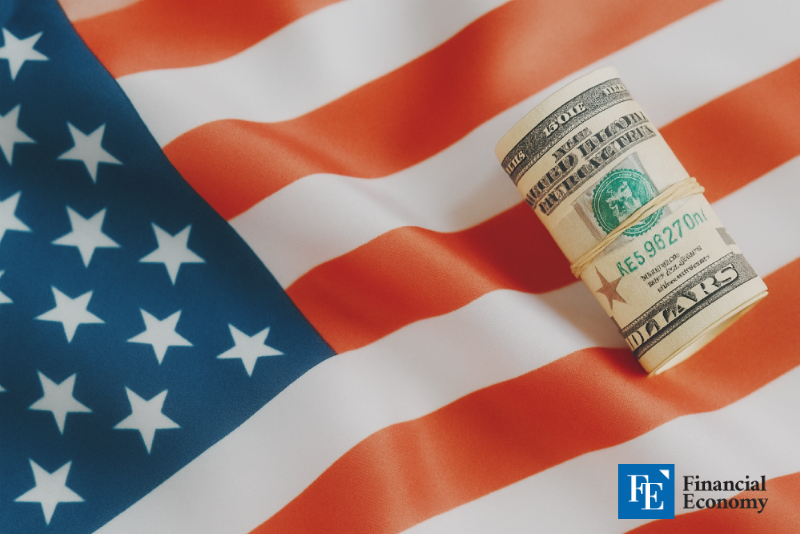
Six months into President Donald Trump’s sweeping import tariffs, a growing body of analysis shows that U.S. consumers are shouldering more than half of the resulting costs. While Trump had campaigned on a pledge to stabilize prices ahead of his reelection bid, inflation has instead moved in the opposite direction. Economists warn that the price burden has grown significant enough to offset the Federal Reserve’s rate cuts, amplifying fears that Trump’s “tariff economics” could deepen the risk of an economic slowdown and trigger stagflation—a toxic mix of rising prices and weakening growth.
Import Prices Up 4%, Domestic Goods Up 2%
According to research cited by Reuters on the 13th, a Harvard University study found that the initial cost of Trump’s tariffs has been largely absorbed by U.S. firms, which are gradually passing those costs on to consumers. Companies plan to raise prices further in the coming months. “Most tariff costs are being borne by U.S. companies, but they are increasingly being reflected in consumer prices,” said Harvard economist Alberto Cavallo, noting that the effect is now spreading as firms deplete inventories and shift the burden of higher input costs to end buyers.
The Trump administration has long maintained that “foreign exporters ultimately pay” for U.S. tariffs. Yet since Trump imposed tariffs in early March, import prices have risen by 4%, while domestic product prices have climbed 2%. The steepest increases were seen in goods imported from high-tariff countries such as Türkiye, as well as commodities like coffee that the U.S. cannot produce domestically. These goods, once priced well below their tariff-inclusive levels, have since risen sharply—an indication that sellers, too, are absorbing part of the cost.
Tariffs Add 0.44 Percentage Points to Fed’s Preferred Inflation Gauge
Wall Street analysts have reached similar conclusions. A Goldman Sachs report released on the 12th estimated that six months into Trump’s tariffs, American consumers are absorbing roughly 55% of the total tariff burden. The firm calculated this by comparing current consumer prices of affected goods against historical trends.
Although the share of tariff costs borne by consumers is slightly lower than during the 2018 U.S.-China trade war under Trump’s first term—when foreign exporters absorbed almost none of the impact—consumers remain the primary victims of inflationary pressure. Goldman Sachs analysts concluded that Trump’s tariffs have added 0.44 percentage points to the Fed’s preferred inflation gauge, the Personal Consumption Expenditures (PCE) Price Index. Should additional tariffs be imposed on furniture and kitchen cabinetry, the firm warned, the increase could reach 0.6 points. With Trump now threatening to double tariffs on Chinese goods, inflationary pressures could intensify further.
Tariff Shock Raises Stagflation Concerns
The inflationary fallout from tariffs continues to pose a major economic risk. According to Yale’s Budget Research Institute, the Trump administration has imposed tariffs of up to 28% on Chinese imports and around 16% on goods from other nations. Since Trump’s so-called “Liberation Day” tariff announcement in April, the Consumer Price Index (CPI) has climbed steadily each month. In August, the CPI reached 2.93%, while the PCE rose to 2.7%—both exceeding the Fed’s 2% target.
These figures underscore inflation’s persistence. Although the Fed cut its policy rate last month amid signs of a cooling labor market, officials remain divided on whether the tariff-driven price surge will prove temporary. Estimates from the Boston Fed suggest that current tariffs could lift core consumer inflation by about 0.75 percentage points.
With consumer spending accounting for 68.8% of U.S. GDP as of late last year, rapid price increases threaten to curb demand and destabilize growth. CNBC reported that “tariff shocks are forcing American households to concentrate spending on basic necessities, eroding purchasing power across both working- and middle-class families.”
The consumer squeeze is also dragging on exports to the United States. European Union exports to the U.S. fell 4.4% year-on-year in July, while German exports to the U.S. plunged 20.1% in August. The World Trade Organization has cut its forecast for global merchandise trade growth next year to just 0.5%, citing delayed effects from U.S. tariffs. ING Bank projects that EU exports to the U.S. will shrink by 17% over the next two years, shaving 30 basis points off the bloc’s GDP growth. “The impact of U.S. tariffs will become far more visible in the months ahead,” said ING economist Ruben de Witt.
Similar Post