BYD and Geely Enter Bidding for Nissan Restructuring Asset, as Mexico Base Strategy Gains Traction

Stefan Schneider brings a dynamic energy to The Economy’s tech desk. With a background in data science, he covers AI, blockchain, and emerging technologies with a skeptical yet open mind. His investigative pieces expose the reality behind tech hype, making him a must-read for business leaders navigating the digital landscape.
Authored On
Modified
Reflects push for overseas expansion and U.S. market entry
Strong price competitiveness anchors foothold in Mexico
Questions over replicating European production model in North America
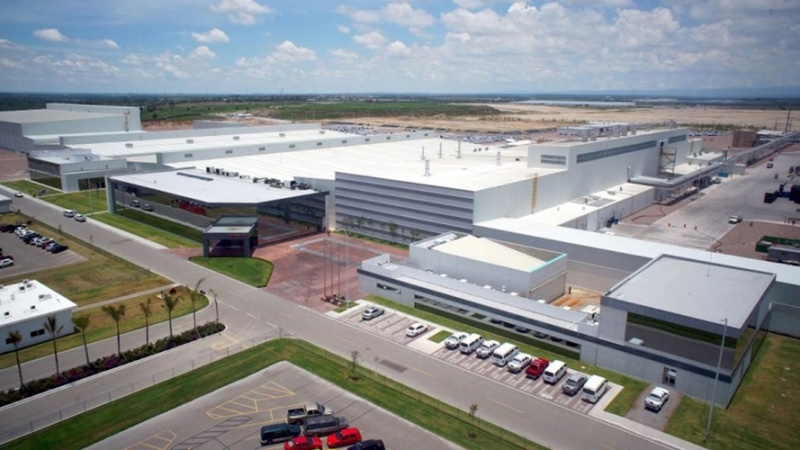
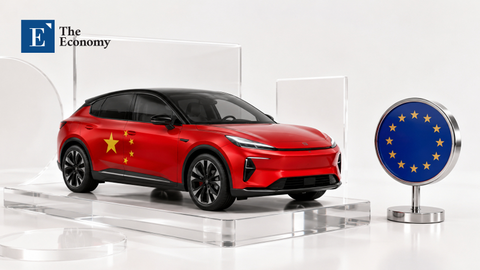
Competition is intensifying over the acquisition of a joint Nissan–Mercedes-Benz plant in Mexico. With the facility—boasting annual production capacity of 230,000 units—put up for sale as part of Nissan’s restructuring, BYD and Geely have moved to secure a North American production foothold. Chinese automakers are evaluating the strategy on the back of solid sales performance in Mexico, though U.S. trade policy and the Mexican government’s stance are expected to weigh heavily at the investment stage. Having already pursued localized production strategies in Hungary and Türkiye to penetrate the European market, attention is turning to whether Chinese automakers can replicate that approach in North America.
Bypassing New Builds, ‘Made in China’ Risk Remains
According to EV-focused outlet Electrek, BYD and Geely are competing with Vietnam’s VinFast to acquire the COMPAS plant in Aguascalientes, Mexico. The facility, capable of producing 230,000 vehicles annually, was put up for sale amid Nissan’s sweeping restructuring. Chinese firms view the acquisition as an opportunity to bypass the complex regulatory and approval processes that have hampered new factory construction in recent years, accelerating the establishment of an immediate manufacturing base.
The bidding reflects a broader shift in overseas strategy among Chinese automakers—from greenfield construction to acquisition of existing assets. BYD previously sought to build a new plant in Mexico as a hub for exports to the United States, but progress stalled amid concerns from China’s Ministry of Commerce over potential technology leakage and cautious positioning by the Mexican government under U.S. trade pressure. By contrast, the COMPAS plant offers existing production lines and a skilled workforce, providing time and cost efficiencies compared with new construction. The move by BYD and Geely therefore appears designed to manage market entry barriers on both political and timing fronts.
Mexico’s appeal is underpinned by demonstrated sales momentum. According to industry research outlet CleanTechnica, Chinese-made electric vehicles (EVs) and plug-in hybrid models imported into Mexico surged from fewer than 500 units in 2021 to approximately 100,000 units in 2025, with BYD accounting for more than 80 percent of the total. The Dolphin Mini EV, priced at roughly $21,000, has underscored BYD’s price competitiveness relative to rivals. With an established sales base, securing local production capacity could further reduce logistics costs and sharpen pricing strategies.
However, acquiring a factory introduces challenges beyond boosting sales. During last year’s campaign, President Donald Trump repeatedly stated that if Chinese automakers produced vehicles in Mexico and exported them to the United States, tariffs of more than 200 percent would be imposed. The previous Biden administration had already levied 100 percent tariffs on Chinese EV imports. Market observers argue that if Mexico is increasingly perceived as a “backdoor” for Chinese automobiles, trade pressure could intensify, particularly in the context of discussions over the renewal of the United States–Mexico–Canada Agreement (USMCA).
Sales Momentum, Investment Hesitation
The recent slowdown in overseas investment by Chinese automakers—despite steady sales growth since the early 2020s—reflects these dynamics. While long-term corporate strategies still emphasize expansion, delays and cancellations have mounted at the execution stage. According to a report by U.S.-based Rhodium Group, overseas investment projects announced by Chinese EV manufacturers and suppliers from 2014 through the first quarter of 2025 totaled $143 billion. Of that amount, only approximately $66 billion has been completed. Projects worth $17 billion have been canceled, with many others facing construction or funding delays.
Mexico stands at the crossroads of expansion and stagnation. BYD expects to sell approximately 80,000 vehicles in Mexico this year and plans to establish up to 80 dealerships. Yet at the production investment stage, the outlook appears markedly different. Stella Li, BYD’s executive vice president, stated at the inauguration of the company’s EV plant in Camaçari, Brazil, late last year that while interest in expanding across the Americas remains intact, no concrete timeline for new investment has been set, citing significant geopolitical impacts on the automotive sector. She added that decisions would be deferred until market conditions become clearer.
Industry observers have cautiously suggested that BYD’s earlier plan—targeting northern Mexico with a facility employing 10,000 workers and producing 150,000 vehicles annually—may be shelved. The Mexican government has signaled that maintaining relations with the United States within the USMCA framework takes priority, and has refrained from offering incentives such as public land sales, tax breaks, or subsidies. As a result, Chinese EV makers have rapidly expanded their presence through imports and distribution infrastructure while encountering distinct constraints in establishing manufacturing bases.
For Mexico, where 83 percent of exports are destined for the United States, attracting Chinese EV factories could complicate broader trade negotiations. Chinese firms are therefore exploring alternative approaches, including joint production with local partners and utilization of existing assembly lines. Geely, for instance, has partnered with France’s Renault to share production lines at a Renault plant in Brazil, while Chery is pursuing joint ventures in Colombia and Argentina. The coexistence of rising sales and deferred investment underscores how Chinese EV companies’ overseas strategies are being recalibrated by geopolitical and trade variables.
Low-Wage Production Hubs and Tariff Avoidance Strategy
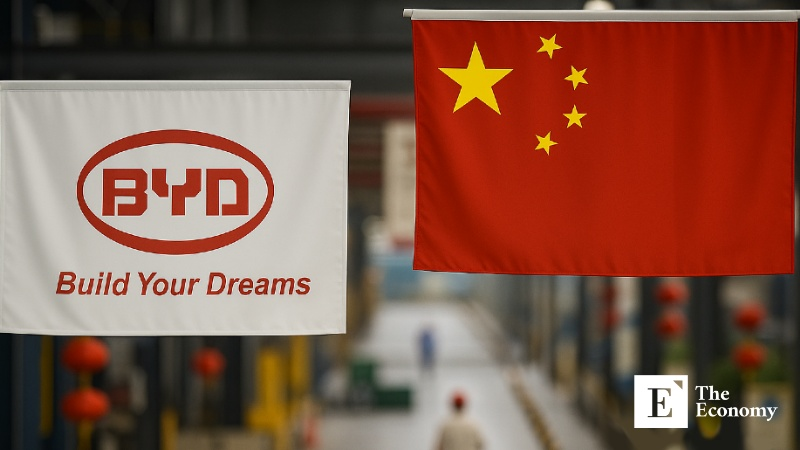
Chinese automakers have previously entered European markets by establishing production bases in lower-cost countries such as Hungary and Türkiye. Earlier this month, BYD began trial operations at its Szeged plant in Hungary, its first dedicated passenger vehicle facility in Europe. Local production enables BYD to sidestep high tariffs imposed by the European Commission last October on Chinese EV imports. Mass production is scheduled for the second quarter of this year, with output to be scaled gradually toward an annual target of 200,000 units.
BYD has hired 960 employees at the Szeged facility, 70 percent of whom are local hires. In the second half of last year, the company also established its European headquarters and an R&D center focused on intelligent driving technologies, while operating an electric bus plant in Komárom since 2016. Supported by this integrated production, R&D, and sales network, BYD sold 2,412 new energy vehicles in Hungary last year, capturing the top market share position.
The Szeged plant’s annual production is expected to remain at 150,000 units in the near term, with gradual ramp-up over two to three years as market response is assessed. A BYD representative emphasized that expansion plans remain aligned with long-term objectives, with maximum annual capacity set at 200,000 units. The company is currently conducting supplier qualification procedures with approximately 150 European vendors.
Preparations are also underway for a new plant in Türkiye, designed for annual capacity of 500,000 units. Together with Hungary, the facility is expected to anchor BYD’s European manufacturing footprint. This European model—selecting production sites based on tariff environments and allocating output in phases—parallels considerations surrounding Mexico as a potential gateway to North America. The strategy entails shifting production from China to localized facilities while adjusting supply chains and volumes in response to market conditions. However, North America’s distinct trade policy landscape suggests that replicating the European approach in identical form may prove considerably more complex.
Stefan Schneider brings a dynamic energy to The Economy’s tech desk. With a background in data science, he covers AI, blockchain, and emerging technologies with a skeptical yet open mind. His investigative pieces expose the reality behind tech hype, making him a must-read for business leaders navigating the digital landscape.
Similar Post