“Takaichi’s Path to Premiership in Jeopardy” — Opposition Unites, Japan’s Political Landscape in Turmoil

Authored On
Modified
Komeito: “LDP’s response to slush fund scandal inadequate”
Even allies turn their backs, Takaichi faces growing crisis
Without a new coalition partner, premiership nomination uncertain
As Japan’s parliamentary vote to nominate a new prime minister approaches, the opposition bloc is intensifying efforts to unseat the ruling Liberal Democratic Party (LDP). The 26-year-long coalition between the LDP and its junior partner Komeito has collapsed for the first time since 1999, casting a shadow over LDP leader Sanae Takaichi’s bid to become Japan’s first female prime minister. Without a new governing partner, Takaichi’s historic rise may now be derailed.
Growing Likelihood of Runoff in Prime Ministerial Vote
According to Jiji Press on October 15, the secretaries-general of three opposition parties — the Constitutional Democratic Party of Japan (CDP), Japan Innovation Party, and Democratic Party for the People (DPFP) — held talks in the Diet and agreed to convene a summit among their leaders ahead of the upcoming extraordinary Diet session for the prime ministerial vote. Jiji noted that “the possibility of a unified opposition candidate, once considered unrealistic, is now increasing.”
Takaichi, who became the LDP’s first female president and was widely expected to become Japan’s first female prime minister, now faces an uncertain political future. The prime ministerial selection process is expected to go to a runoff if no candidate secures a majority. In such a case, the candidate with the higher number of votes will be appointed.
The balance of power lies with Komeito and the DPFP. To win, a candidate must secure a majority in both the House of Representatives (465 seats) and the House of Councillors (248 seats), requiring 233 and 125 votes respectively. If no one reaches a majority, a runoff is held between the top two candidates, with the lower house’s result taking precedence. Currently, the LDP holds 196 seats, the CDP 148, Japan Innovation Party 35, DPFP 27, and Komeito 24. Should the three opposition parties unite, they would control 210 seats — surpassing the LDP.
Even if the DPFP stays out but Komeito sides with the opposition, the combined total of CDP, Japan Innovation Party, and Komeito would reach 207 seats, still above the LDP. Conversely, if the DPFP backs the LDP instead, the ruling bloc’s count rises to 220. The ultimate outcome thus hinges on whether the DPFP and Komeito align with the ruling party or the opposition. Both are now being courted by Takaichi’s camp and opposition leaders alike.
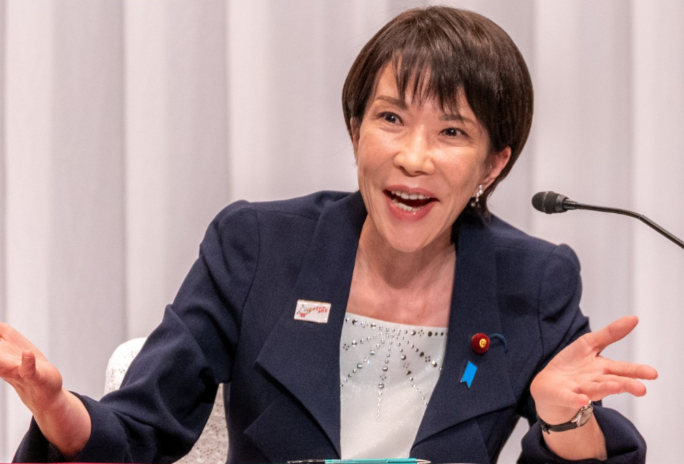
Final Negotiations Collapse Between LDP and Komeito
The breakup of the 26-year LDP–Komeito coalition stems from deep divisions over political ethics and fiscal policy. Komeito had previously criticized Takaichi’s right-wing orientation and the LDP’s handling of its internal slush fund scandal, warning that it would “reconsider the coalition’s future.” While some observers had expected reconciliation after a meeting between both leaders on October 7 — citing agreement on historical issues and immigration policy — talks ultimately failed.
The main point of contention was the LDP’s inadequate response to the political funds scandal. In December 2023, revelations emerged that several LDP factions had siphoned off proceeds from fundraising events into secret accounts. Takaichi, pledging reform, came under fire for appointing Koichi Hagiuda — a central figure in the scandal — as acting secretary-general.
Komeito demanded a political funding reform bill restricting corporate and organizational donations to the party’s headquarters and its 47 regional branches. However, the LDP rejected the proposal as “unacceptable,” prompting Takaichi to dismiss the request. Komeito leader Tetsuo Saito told reporters after the meeting, “President Takaichi said she wanted to listen to local opinions, but despite our demands over the past year, the LDP has taken no meaningful action.”
Takaichi Moves to Contain Rebellion by Appointing Rivals
Komeito’s withdrawal has weakened what analysts dubbed the “Takaichi trade,” a market rally fueled by expectations that she would succeed former Prime Minister Shigeru Ishiba and pursue expansionary fiscal and monetary policies in the spirit of “Abenomics.”
Following the coalition split, market sentiment reversed sharply. The Nikkei 225 fell 1% on October 10 and another 2.6% the next day, while the dollar–yen exchange rate slid from 153 to 151 per dollar. One brokerage analyst warned, “If the Takaichi trade unwinds, the yen could strengthen toward 147 per dollar and the Nikkei could fall back to the 42,000 range — a drop of more than 10% in a short period.” Although “Takaichinomics,” her version of bold fiscal expansion and public investment, had buoyed markets, the new political uncertainty has clouded Japan’s economic outlook.
Amid growing speculation that opposition unification may actually materialize, the LDP has scrambled to secure allies. On October 14, LDP Secretary-General Shunichi Suzuki met with DPFP Secretary-General Katsuya Shinba to seek cooperation in the prime ministerial vote. Yet DPFP leader Yuichiro Tamaki remains cautious, reportedly weighing which path would bring his party greater benefit.
Facing mounting uncertainty, Takaichi has sought to consolidate the LDP by bringing her former rivals into top cabinet and party posts. According to the Yomiuri Shimbun, she is considering appointing former Environment Minister Shinjiro Koizumi as Defense Minister, Chief Cabinet Secretary Yoshimasa Hayashi as Internal Affairs Minister, and former LDP Secretary-General Toshimitsu Motegi as Foreign Minister — all of whom lost to her in the recent party leadership race. With Takayuki Kobayashi already named Policy Research Council Chair, Takaichi is set to place every one of her former rivals in key roles. The Yomiuri observed, “Her plan appears aimed at uniting the entire party by bringing all former contenders into the leadership circle.”
Similar Post