European Nations Reinstating Conscription After the Russia–Ukraine War, While Germany Struggles Amid Coalition Discord

Siobhán Delaney is a Dublin-based writer for The Economy, focusing on culture, education, and international affairs. With a background in media and communication from University College Dublin, she contributes to cross-regional coverage and translation-based commentary. Her work emphasizes clarity and balance, especially in contexts shaped by cultural difference and policy translation.
Authored On
Modified
Rising Security Tensions Across Europe After the Russia–Ukraine War
Germany Pushes to Expand Troops Under ‘Strong German Army’ Initiative
Croatia Reintroduces Conscription Aiming for Mobilization Next Year
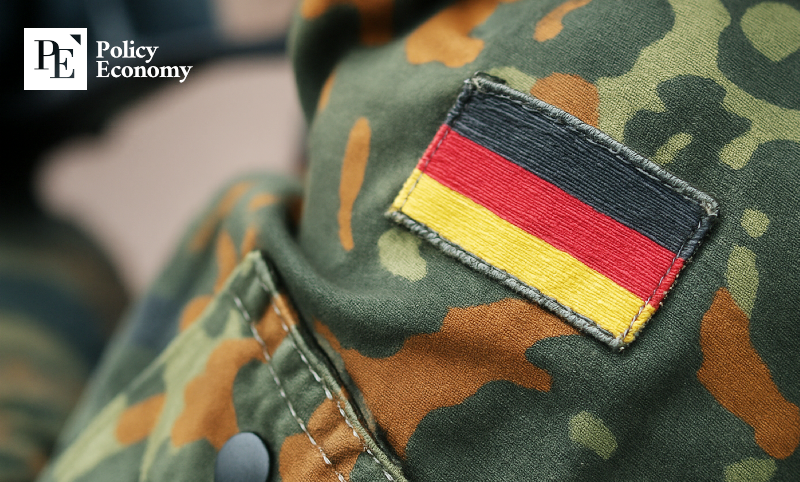
Following Russia’s invasion of Ukraine, the heightened sense of insecurity spreading across Europe has prompted several countries—many of which had drastically downsized their armed forces after the Cold War—to move toward reinstating conscription or mandatory military training systems. Germany, in particular, which does not possess nuclear weapons, is seeking to expand its forces to about 260,000 troops by introducing a selective conscription system. However, internal disagreements within the coalition government over the method of conscription have stalled the legislative process.
German Defense Minister Opposes Random Draft System
According to reports from the BBC and other foreign media outlets on the 26th (local time), Germany’s plan to reintroduce conscription to strengthen its military has run into difficulties due to conflicts within the ruling coalition. The ruling Christian Democratic Union (CDU) emphasizes mandatory service, while its coalition partner, the Social Democratic Party (SPD), insists on maintaining a voluntary enlistment system. The ongoing standoff between the two sides led to the cancellation of the selective conscription bill announcement and press conference originally scheduled for the 14th. The Bundestag was set to deliberate on the bill on the 16th, but the formal review has now been postponed.
The draft proposal, which the government initially planned to unveil, combined voluntary enlistment with a random lottery system. In the first phase, all 18-year-old men would receive a questionnaire similar to a draft notice from the military authorities, requiring them to respond to questions about their willingness to serve, physical fitness, and health information. The Bundeswehr would then select candidates based on these responses, and if the number of volunteers fell short of the target, the remaining quota would be filled through random selection. This model closely resembles Denmark’s current system, though unlike Denmark, which applies it to both men and women, Germany’s plan would apply only to men.
The main source of friction between the parties lies in the second phase—the random lottery system. Defense Minister Boris Pistorius of the SPD has firmly opposed compulsory enlistment, asserting that “the decision to serve must remain voluntary,” and adding, “I have long opposed the CDU’s key proposal.” Norbert Röttgen, deputy parliamentary leader of the CDU, sharply criticized Pistorius, saying, “I have never seen a minister derail a crucial legislative process in his own area of responsibility and throw his party into disarray.”
Prolonged Stalemate Possible if the Rift Persists
Germany is now seeking to restore conscription for the first time in 14 years. The system was effectively abolished in 2011 under Chancellor Angela Merkel’s administration, following criticism that it fostered inefficiency within the Bundeswehr and delayed military modernization. However, because the suspension was enacted as a “temporary halt,” the Basic Law (Germany’s constitution) still contains a clause authorizing the state to conscript men aged 18 and older. At the time, the reform was also aimed at reducing fiscal deficits, with the government targeting an $8.8 billion defense budget cut by downsizing personnel and streamlining the bureaucracy.
After Russia’s invasion of Ukraine in 2022 heightened security concerns, Chancellor Friedrich Merz, who took office in May this year, declared his intent to build a “strong German army,” announcing plans to expand troop numbers from 180,000 to 260,000. Germany’s geographic proximity to Russia and its lack of nuclear weapons have underscored the urgency of reinforcing its forces. Martin Jäger, director of the Federal Intelligence Service (BND), recently warned parliament that “Russia could attack NATO before 2029.”
If the coalition fails to bridge its divide, the selective conscription plan could become mired in long-term gridlock. Political news outlet Politico reported that if no agreement is reached, the CDU may soon attempt to pass a revised bill unilaterally through the Bundestag. Generational tensions are also emerging over the issue. According to a survey by the polling agency Forsa, 54% of Germans support reinstating conscription, but opposition rises to 63% among those aged 18 to 29—the demographic directly affected by the policy.
Serbia Also Reinstated Conscription Last Year After 17 Years
Germany is not alone in reviving compulsory service. NATO member Croatia has also reinstated conscription after 18 years. On the 24th, the Croatian parliament voted on the mandatory military service bill, which passed with 84 votes in favor, 11 against, and 30 abstentions. According to national broadcaster HRT, the service period will be two months, including basic military training. The Croatian Defense Ministry plans to conduct medical examinations for men born in 2007 by the end of this year, ahead of next year’s mobilization.
Croatia fought a war of independence against Serbian rebels from 1991 to 1995 following its secession from the former Yugoslavia. Ahead of joining NATO in 2008, the country transitioned to a professional volunteer military system, but in light of the Ukraine war, it has now opted to restore mandatory service. The Ministry of Defense explained that the goal is “to equip young people with essential skills and knowledge to contribute to national security in times of crisis.”
Other European countries that had drastically reduced their armed forces after the Cold War are following suit by reviving conscription or mandatory military training programs. Latvia, which adopted a professional volunteer system in 2007, reintroduced conscription last year after 17 years, while Serbia plans to begin compulsory military training for men aged 19 and older next year. As of now, European Union member states operating mandatory or alternative service systems include Austria, Cyprus, Estonia, Lithuania, and Finland.
Siobhán Delaney is a Dublin-based writer for The Economy, focusing on culture, education, and international affairs. With a background in media and communication from University College Dublin, she contributes to cross-regional coverage and translation-based commentary. Her work emphasizes clarity and balance, especially in contexts shaped by cultural difference and policy translation.
Similar Post