“Cutting Obesity Drug Prices” — Could Trump’s Drug Price Drive End Up Helping China?

Aoife Brennan is a contributing writer for The Economy, with a focus on education, youth, and societal change. Based in Limerick, she holds a degree in political communication from Queen’s University Belfast. Aoife’s work draws connections between cultural narratives and public discourse in Europe and Asia.
Authored On
Modified
Zepbound and Wegovy to Be Sold in the U.S. at “Most-Favored-Nation” Prices
With Drug Price Pressure Mounting, Pfizer and AstraZeneca Also Fall in Line
As Profit Margins Shrink for U.S. Pharma, Will China Step Up Its Challenge?
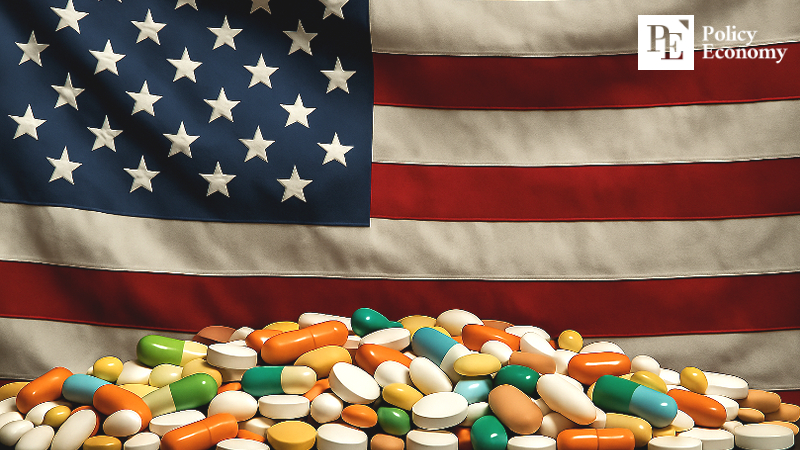
U.S. President Donald Trump has reached a price deal with global obesity drug manufacturers, marking a gradual realization of the drug price reduction policy his second administration has pursued since taking office. However, experts warn that the move could backfire by weakening the competitiveness of the U.S. pharmaceutical industry and giving Chinese biotech firms an opening to expand.
Eli Lilly and Novo Nordisk Cut Obesity Drug Prices in the U.S.
On the 6th, U.S. President Donald Trump announced at the White House that Eli Lilly and Novo Nordisk had agreed to sell their obesity treatments to American patients at “most-favored-nation” pricing. “The price of Wegovy will drop from $1,350 per month to $250, and Zepbound from $1,080 to $346,” Trump said. For patients covered under Medicare and Medicaid, out-of-pocket costs will fall to as low as $50 with government support.
American consumers will soon be able to purchase these weight-loss drugs directly through a new government-run platform called TrumpRx, which connects patients and pharmaceutical companies online, eliminating middlemen in the drug supply chain. TrumpRx — described as a “government-operated pharmacy” — is scheduled to launch in January 2026, allowing patients to buy medicines directly from manufacturers without distribution markups or rebates.
Trump’s direct involvement in obesity drug pricing is seen as part of his “Make America Healthy Again” campaign, aimed at reducing obesity and chronic disease rates nationwide. Earlier, Health and Human Services Secretary Robert F. Kennedy Jr. criticized the high cost of GLP-1 obesity drugs, calling affordability a key policy goal. Trump himself has argued that Novo Nordisk’s Wegovy and diabetes drug Ozempic “should cost no more than $150 — or even less.”
Trump Reaffirms Push for Lower Drug Prices and Domestic Production
Since the launch of his second administration, U.S. President Donald Trump has consistently called for lower drug prices and expanded domestic pharmaceutical manufacturing. Earlier this year, he declared that “all medicines should be made in America,” identifying the reshoring of pharmaceutical production as a key policy priority. Backed by high tariffs, the administration has pressured global drugmakers to invest more heavily in the U.S. In response, major firms including Eli Lilly, Johnson & Johnson, and Novartis have each pledged multi-billion-dollar investments to expand U.S. manufacturing capacity.
On July 31, Trump sent an open letter to 17 global pharmaceutical companies, including Pfizer, urging them to present within 60 days a concrete plan to cut drug prices to levels comparable to those in other advanced economies. He noted that Americans pay roughly three times more for prescription drugs than the global average. According to a RAND Corporation study published in February last year, U.S. drug prices are 2.78 times higher than those in the 32 OECD countries.
The first to comply was Pfizer. On September 30, Trump held a briefing at the White House with Pfizer CEO Albert Bourla, announcing that the company had agreed to sell all Medicaid-covered medicines — and future drugs — at Most-Favored-Nation (MFN) prices. In practice, this means Pfizer will sell its medicines in the U.S. at the lowest price offered in any advanced market. Separately, Pfizer committed to $70 billion in new U.S. manufacturing investments, while the Trump administration granted the company a three-year tariff exemption on pharmaceutical imports.
AstraZeneca followed suit on October 10, reaching a similar deal with the administration. Trump announced that AstraZeneca would also provide all Medicaid-covered prescriptions at MFN prices, while pledging to sell future drugs in the U.S. at discounted rates. The company further agreed to invest $50 billion in the U.S. over the next five years and, like Pfizer, secured a three-year tariff exemption on its exports to America.
A Risk of Backfiring in the Long Run
Experts warn that President Trump’s aggressive drug pricing policy could ultimately backfire, weakening the competitiveness of the U.S. pharmaceutical sector and paving the way for China’s rise. One market analyst noted, “Continued pressure to cut prices will inevitably damage the profitability of drugmakers in the U.S. market. Global pharmaceutical companies will start shifting profit bases overseas, while American firms could struggle to secure research and development funding, eroding their long-term competitiveness.” The analyst added that such a scenario would be “a clear advantage for China, which is rapidly expanding its presence in the global pharmaceutical market.”
China’s pharmaceutical and biotech industries are indeed growing rapidly, backed by strong state support. The sector is now valued at about $250 billion, making it the second largest in the world after the U.S. Under the “Made in China 2025” initiative, biotechnology has been designated a strategic industry, with clinical infrastructure expanding swiftly around major hospitals. China’s population of 1.4 billion also gives it a decisive edge in clinical trials for rare diseases and certain cancers.
The country’s qualitative growth is also becoming evident. According to an analysis published last year by the Australian Strategic Policy Institute (ASPI), China now leads the U.S. in four of seven key biotechnology fields — including synthetic biology, genome analysis, biomanufacturing, and antibiotic and virus research. Indicators of technological strength, such as the number and value of licensing-out deals, have also surged. In the first quarter of this year, 32% of global biotech licensing contract value originated from China, while in the first half of the year, China’s total licensing-out value reached $66 billion, reflecting its accelerating global momentum.
Aoife Brennan is a contributing writer for The Economy, with a focus on education, youth, and societal change. Based in Limerick, she holds a degree in political communication from Queen’s University Belfast. Aoife’s work draws connections between cultural narratives and public discourse in Europe and Asia.
Similar Post