“Takaitchi Trade” Shaken by Fiscal Expansion Backlash as Bureaucrats Push Back Against Deficit Bonds

Authored On
Modified
Market turmoil after ‘deficit bond issuance’ remarks
Officials warn of fiscal deterioration
Takaitchi’s economic leadership faces its first test
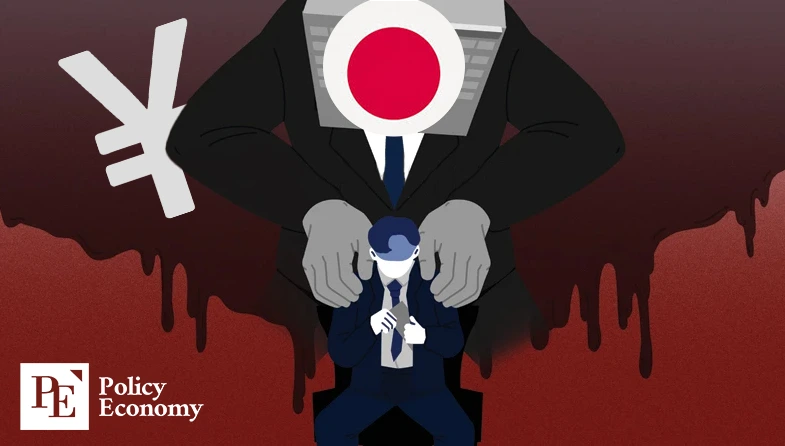
Japan’s financial markets are in turmoil ahead of Sanae Takaitchi’s inauguration as the new president of the Liberal Democratic Party and incoming prime minister. Her declaration that “deficit bond issuance may be unavoidable” signaled aggressive fiscal expansion, unsettling markets already adjusting to the Bank of Japan’s monetary tightening. While stocks initially rallied on stimulus hopes, the ruling coalition’s junior partner, Komeito, announced its withdrawal, throwing the so-called “Takaitchi Trade” into disarray. Combined with bureaucratic resistance and political uncertainty, the incoming administration faces a major test even before taking office.
“We’ll issue more bonds if that’s what it takes to boost the economy”
According to Jiji Press and other local outlets on October 14, concern is spreading in Japan that financial volatility will follow Takaitchi’s appointment as prime minister. She has consistently urged caution toward rate hikes by the Bank of Japan, stressing throughout her campaign that “deficit bond issuance may be unavoidable” and championing what she called a policy of “responsible proactive fiscal spending.” The statement clashed directly with the Bank of Japan’s normalization efforts, dousing expectations for an early rate increase.
Jiji Press noted that “if Takaitchi assumes office, unchecked government spending could fuel inflation” and warned that “a disconnect between fiscal and monetary policy may cause confusion in citizens’ daily lives.” On October 6, Takaitchi underscored that “the government is responsible for both fiscal and monetary policy,” effectively challenging the central bank’s independence. Immediately after her comments, Japan’s 10-year government bond yield briefly hit 1.68%, the highest since July 2008, as investors sold off bonds in response to what they viewed as a politically reckless statement.
Amid policy uncertainty, Japan’s stock market oscillated between optimism and anxiety. Stimulus hopes briefly lifted the Nikkei index to 48,000, but the delay in rate normalization accelerated the yen’s decline, reigniting fears of rising import prices. Shun Otani, chief analyst at Daiwa Securities, warned that “if the exchange rate exceeds ¥150 to the dollar, the burden on households will surge,” adding that while “a rate hike isn’t impossible, conflict with fiscal policy is inevitable.”
Some analysts now predict an early collapse of the “Takaitchi Trade.” Shueisha Online reported that “political instability and Komeito’s withdrawal are rapidly unraveling the Takaitchi Trade.” The strategy had been based on her fiscal-expansion pledge, betting on a triple effect of a weaker yen, rising stock prices, and falling bond values. Yet as political uncertainty mounts, investor sentiment has turned cautious. Shueisha warned that “if the Takaitchi Trade unravels early, Japan’s financial markets could face a broad-based correction,” calling it a potential worst-case scenario.
Clash between bureaucratic control and political intervention
Despite such pessimism, Japanese equities have so far sustained a short-term rally. From October 3 to 9, the Nikkei 225 rose more than 8%, hitting record highs and maintaining momentum even through brief corrections. The “Takaitchi Rally,” as traders have dubbed it, reflects expectations that fiscal expansion and continued monetary accommodation will revive growth. Some analysts even compare the atmosphere to the early phase of Abenomics in the 2010s.
Market participants have begun referring to Takaitchi as the “female Abe,” expecting her to deliver a “completed version of Abenomics.” CNBC reported that “Takaitchi’s pledge to stimulate the economy has driven stock prices higher,” adding that “investors have piled into trades centered on rising equities, higher bond yields, and a weaker yen.” The yen briefly fell past ¥152 per dollar on October 8, an eight-month low, and expectations of stronger earnings at major exporters helped sustain the rally.
Bureaucrats, however, have voiced strong opposition. Japan’s Ministry of Finance warned that expanding deficit bond issuance could “severely undermine fiscal sustainability,” while the Bank of Japan fears losing room to raise rates. Hirofumi Suzuki, chief strategist at Sumitomo Mitsui Banking Corporation, said, “The current yen weakness is likely temporary,” adding that “¥150 per dollar is a key intervention threshold, and the government cannot tolerate such levels indefinitely.” Norihiko Yamaguchi, chief economist at Oxford Economics, cautioned that “a persistently weak yen would drive up import prices and ultimately squeeze household budgets.”
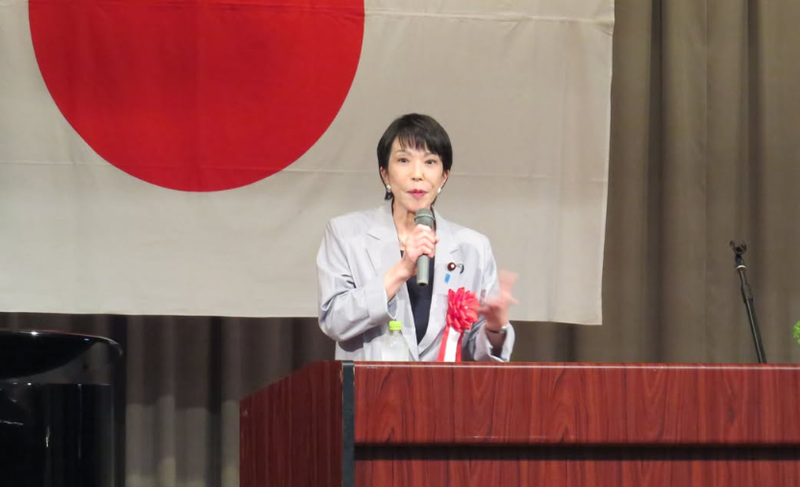
Takaitchi’s test of political balance and leadership
Experts say that if Takaitchi is formally elected prime minister in the upcoming Diet vote, her first challenge will be coordinating fiscal and monetary policy. The key test will be how smoothly she can integrate her political message of “responsible proactive spending” with the Ministry of Finance’s fiscal-discipline stance and the Bank of Japan’s normalization path. If her cabinet fails to align messaging with those institutions in the first one to two weeks, volatility around the “Takaitchi Trade” could intensify. Conversely, if fiscal and monetary roles are clearly defined and policy timetables disclosed transparently, markets may stabilize and over-exuberance could subside.
Personnel decisions also pose challenges. Takaitchi, who lacks a strong intra-party base, has leaned on allies from the Aso faction, which supported her in the final round of the leadership race. Key posts such as party secretary-general, vice president, and general council chair have gone to Aso affiliates, prompting criticism of a “revived factional system.” Public backlash has also grown over the retention of LDP officials linked to past slush-fund scandals. Because appointments are often viewed as policy signals, analysts say Takaitchi must promptly outline the scale, funding sources, and issuance volume of her fiscal plans—alongside coordination results with the Bank of Japan—to restore trust among bureaucrats and investors.
Early signs of change are also emerging in foreign policy. Once known as a hard-line conservative, Takaitchi has decided not to attend this autumn’s Yasukuni Shrine festival, signaling caution. The move is seen as a diplomatic gesture ahead of U.S. President Donald Trump’s planned visit to Japan and the upcoming APEC summit later this month. The adjustment aligns with her domestic focus on cost-of-living relief and small-business support, as well as efforts to establish a practical working relationship with bureaucratic institutions. Observers in and outside Japan agree that to avoid a worst-case scenario and demonstrate real leadership, Takaitchi’s incoming cabinet must strike this delicate balance within the first two weeks of taking power.
Similar Post