China Expands Russian LNG Imports Despite Western Sanctions, Fueling the Rise of a Global Energy Bloc

Authored On
Modified
China’s LNG imports from Russia rise despite U.S. and EU sanctions
Construction of the Power of Siberia 2 pipeline gains momentum
Global energy market divides into competing blocs
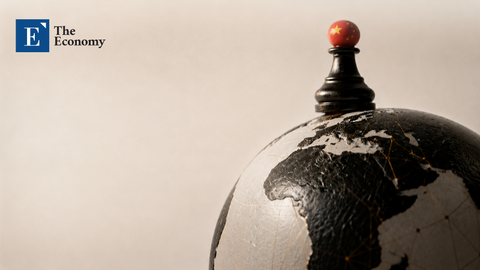
China has deepened its energy ties with Russia by continuing to import Russian liquefied natural gas (LNG) despite Western sanctions, undermining the effectiveness of U.S.-led restrictions. Tankers carrying LNG from sanctioned Russian facilities are arriving in southern China, while ship-to-ship transfers in international waters indicate efforts to bypass sanctions. Analysts warn that this growing energy alliance could accelerate the fragmentation of the global energy market into rival blocs.
Sanctions lose traction as energy fragmentation accelerates
According to vessel-tracking data compiled by Bloomberg on the 23rd (local time), the Iris, a tanker departing from Russia’s Arctic LNG 2 facility—blacklisted by the U.S.—is en route to the Beihai import terminal in southern China. If offloading proceeds as planned, it will mark China’s 11th import of Russian LNG from sanctioned projects since late August. Arctic LNG 2, located on the Yamal Peninsula in Russia’s Arctic region, was sanctioned by Washington in 2023, restricting both technology and financing.
The Trump administration had previously blacklisted Russia’s state oil firms Rosneft and Lukoil to pressure Moscow over its continued war in Ukraine. While oil exports were directly targeted, LNG has remained in a gray zone. Washington has avoided full LNG sanctions to prevent global price spikes and supply disruptions for U.S. allies in Europe and Asia.
China has exploited that loophole as a strategic energy buffer. Beihai now serves as the main gateway for sanctioned Russian LNG cargoes. At least three tankers under U.S. scrutiny are reportedly headed there, and satellite imagery taken on the 18th showed a Hong Kong-registered LNG vessel conducting a ship-to-ship transfer with a Russian tanker in Malaysian waters. This indicates that both nations have effectively institutionalized an alternative energy corridor in defiance of Western restrictions.
In response, Western powers have toughened their stance. The U.K. recently signaled plans to sanction the Beihai terminal directly, while the European Union (EU) added more than 40 new entities—including 12 based in China and Hong Kong—to its latest sanctions package. The EU’s measures now target Chinese logistics infrastructure rather than just Russian producers, but Moscow and Beijing’s continued trade flows are eroding the intended impact of Western energy embargoes.
Pipeline diplomacy: building a continental energy corridor
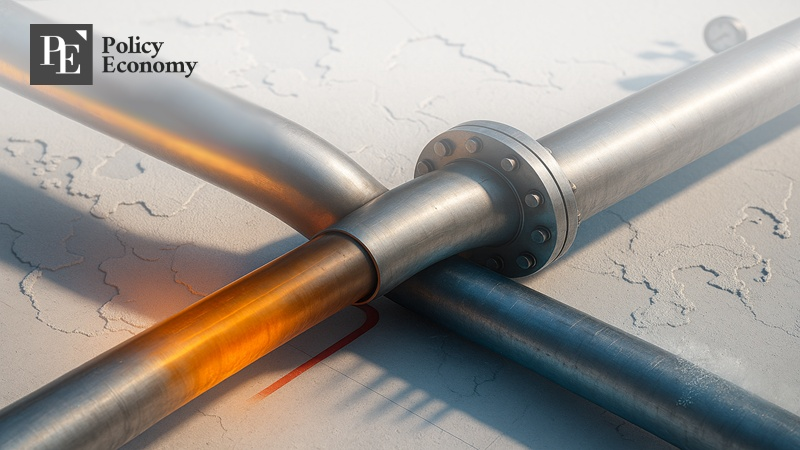
China and Russia are simultaneously advancing the “Power of Siberia 2” pipeline project, further cementing their energy alliance. According to the South China Morning Post, Gazprom CEO Alexey Miller and China National Petroleum Corporation (CNPC) signed a memorandum of understanding on pipeline construction during the Shanghai Cooperation Organization summit in Tianjin on September 8, attended by Presidents Xi Jinping and Vladimir Putin. The deal represents not just a supply agreement but a strategic plan to establish a long-term “energy corridor.”
The pipeline will run from Russia through Mongolia to China’s Xinjiang region, supplying 50 billion cubic meters of gas annually once completed. Hong Kong–based geopolitical analyst Sebastian Contín Trillo-Figueroa noted, “For China, which depends heavily on seaborne LNG, a land-based pipeline cuts both costs and risk. For Russia, the project replaces lost European demand with a stable buyer.”
Although first discussed in 2006, the project stalled over route and pricing disputes until 2022, when Western sanctions on Russia and surging energy costs in China aligned their interests. Valued at $13.6 billion, the project faces high costs and challenging terrain but is expected to roughly double China’s dependence on Russian gas once operational.
The geopolitical implications are significant. Genevieve Donnellan-May of Oxford Global Society observed, “As China absorbs more Russian gas, global energy influence shifts from maritime to continental routes. The U.S., which built its dominance through LNG exports, could see its market share erode once Power of Siberia 2 begins commercial operations.”
EU moves to sever Russian LNG imports entirely
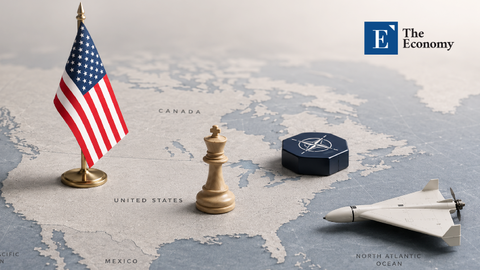
In response to Sino-Russian energy cooperation, Europe is strengthening its partnership with the United States. The EU recently agreed to end all imports of Russian LNG by the end of next year as part of its latest sanctions package. Denmark, the rotating EU presidency, confirmed unanimous support among all 27 member states, with Hungary and Slovakia joining after receiving compensation for energy price stabilization. The deal mandates that short-term Russian LNG contracts be terminated within six months and long-term contracts by January 2027.
The aim is to cut off a key source of funding for Russia’s war. Roughly 20 percent of the LNG imported by the EU last year came from Russia, meaning this move will significantly reduce dependence. To bolster enforcement, the EU also sanctioned 117 “ghost fleet” vessels used for sanctions evasion and four Chinese companies linked to Russian energy smuggling. The measures align the EU more closely with Washington’s Russia policy while countering the Beijing-Moscow energy axis.
At the same time, the EU is ramping up its security cooperation. During a European Council meeting in Brussels on the 23rd, members discussed building an eastern border air-defense system by 2027 and developing a “drone wall” to detect and intercept Russian UAVs. “The upcoming ‘Coalition of Will’ summit in London will outline postwar security deployments and additional arms support for Ukraine,” the EU said, emphasizing an integrated economic and security front against the Russia-China bloc.
Diplomatic observers say the recent cancellation of a planned U.S.-Russia summit on the 22nd further solidified Europe’s resolve. After President Trump briefly suggested Ukraine might concede Donbas before retracting and canceling talks, Ukrainian President Volodymyr Zelensky reaffirmed alignment with Europe, calling a “frozen front” the only realistic compromise. Le Figaro noted, “With the collapse of the Trump-Putin summit, Europe has reclaimed the lead in peace diplomacy—pursuing coordinated energy sanctions and security cooperation with the U.S. as part of an emerging global energy bloc.”
Similar Post