Luxury Giants Lose Momentum as Chinese and MZ Consumers Pull Back — Brands Scramble to Find a Way Forward

Authored On
Modified
LVMH, Kering and Other Luxury Giants Face Sharp Downturn
China’s Once-Dominant Shoppers Pull Back as MZ Generation Cuts Luxury Spending
From Pricing and Target Shifts to Design Overhauls, Brands Seek Survival Strategies
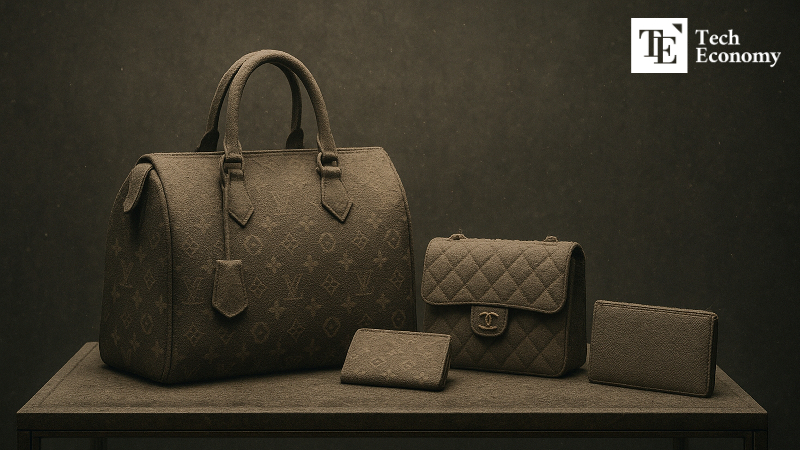
The high-end luxury market is showing clear signs of slowdown. Once driven by Chinese consumers, demand has weakened sharply as economic downturns and the rise of patriotic spending have led many to pull back. At the same time, shifting preferences among global consumers have further dampened growth. In response, luxury brands are scrambling to secure new growth engines by exploring alternative markets, adjusting prices, and emphasizing product exclusivity.
Chinese Consumers Turn Away from Luxury
According to a Reuters report on the 29th (local time), French luxury giant LVMH posted just 1% organic revenue growth in the third quarter. Its core fashion and leather goods division fell 2%, marking the fourth consecutive quarter of negative growth. Kering, the parent company of Gucci and Saint Laurent, also reported a sharp decline in earnings. Its net profit for the first half of the year dropped 46% to 474 million euros, down from 878 million euros a year earlier, while revenue fell 16% to 7.6 billion euros.
As major luxury houses see their results deteriorate across the board, analysts say the era of double-digit global luxury growth led by Chinese consumers has effectively come to an end. The combination of China’s structural economic slowdown and a powerful cultural shift toward “Guochao” — a movement emphasizing national pride and preference for domestic brands — is reshaping the entire market landscape.
Homegrown brands are gaining remarkable traction in China’s fashion and beauty sectors. Urban Revivo, often dubbed the “Zara of China,” is rapidly expanding overseas, while jewelry brand Lao Feng Xiang, known as the “Hermès of gold,” has seen its stock soar 214% this year. About 77% of its customers are reportedly the same core shoppers who once bought Louis Vuitton, Hermès, and Cartier. In cosmetics, too, the balance of power is shifting. Market research firm Frost & Sullivan projects that by 2025, local Chinese beauty brands will surpass foreign brands for the first time, capturing 50.4% of market share.

Shifting Tastes of the MZ Generation
Analysts say the shift in luxury consumption extends far beyond China, reflecting a global transformation led by the MZ generation. As younger consumers redefine the meaning of value, traditional luxury brands are losing their footing. Many now prioritize experience, authenticity, and sustainability over brand names. Exposure to diverse cultures and lifestyles through social media has further encouraged them to move away from uniform luxury-buying patterns.
This generation values individuality and often views owning the same brands as others as a lack of personality. Many prefer to spend on self-development, travel, or vintage and resale markets rather than on luxury goods. For them, luxury is no longer a “must-have,” but simply one of many choices.
Adding to the challenge, weakening consumer sentiment caused by economic downturns, trade wars, geopolitical tensions, and market uncertainty has further weighed on the industry. According to a December report by Bain & Company, the global personal luxury goods market in 2024 is estimated at 363 billion euros, down 2% from 369 billion euros in 2023. It was the first decline in 15 years—excluding the pandemic lockdown period—marking the end of a long-running growth streak as demand for clothing, handbags, jewelry, and cosmetics slowed worldwide.
How Luxury Brands Are Responding to the Market Slowdown
Facing an industry-wide downturn, luxury brands are racing to find survival strategies. One major focus has been tapping into new growth markets such as the Middle East, Latin America (notably Mexico), and rapidly developing Southeast Asian countries like India, Vietnam, Thailand, and the Philippines. These regions are seeing a surge in luxury demand thanks to a growing middle class. However, sales from these markets still fall short of offsetting losses in the United States and China.
Some analysts argue that luxury houses should shift their focus from experiential consumers to ultra-high-end clientele. The idea is to restructure products and services around highly profitable VIP customers, moving away from mass-market expansion and restoring brand exclusivity and identity. This includes hosting private events, offering dedicated advisors, and cultivating emotional connections with top spenders. “Experiential consumers” typically spend around 2,000 euros per year on luxury goods, whereas “ultra-high-end consumers” — less than 0.1% of buyers — spend over 50,000 euros annually.
Other brands are rethinking their pricing strategies. French luxury label Mulberry admitted during its second-quarter results that “excessive price increases drove customers away.” CEO Andrea Baldo said the company plans to readjust prices and is considering lowering costs on select products to regain lost customers.
Meanwhile, several brands are emphasizing exclusivity rather than price. More than a dozen major luxury houses — including Chanel, Gucci, and Dior — are preparing large-scale product launches under new creative directors in the second half of the year. The strategy mirrors 2015, when consumers grew weary of logo-heavy designs and brands successfully pivoted to minimalism. This time, they aim to reignite demand through fresh, distinctive, and rare design
Similar Post