Germany Moves to Lift Defense Spending to 3.5% of GDP ㅡ Fiscal Warning Signs Flash

As one of the youngest members of the team, Tyler Hansbrough is a rising star in financial journalism. His fresh perspective and analytical approach bring a modern edge to business reporting. Whether he’s covering stock market trends or dissecting corporate earnings, his sharp insights resonate with the new generation of investors.
Authored On
Modified
Germany Plans to Boost Defense Spending to USD 1,500 Billion by 2030
Burden of Strengthening Europe’s Defense Rises After Russia–Ukraine War
Warnings Grow Over Soaring Debt Ratio and Fiscal Stability
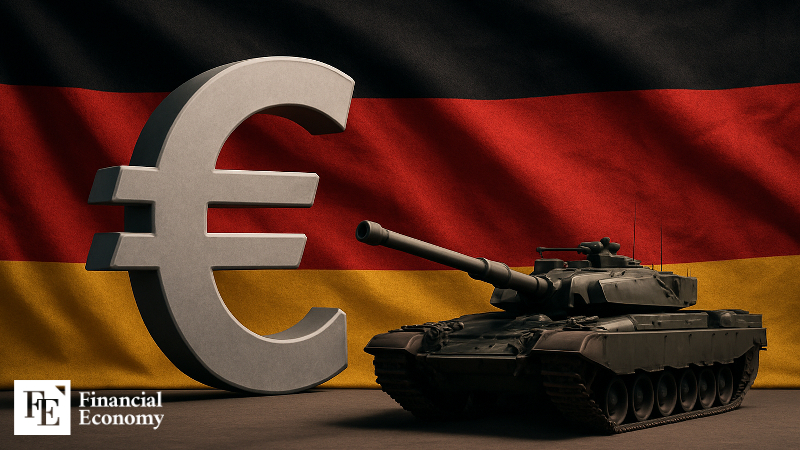
Germany plans a significant expansion of defense spending through 2029, marking a shift from its previously cautious approach to military investment. The change comes as the Russia–Ukraine war has reduced U.S. influence within Europe’s security framework. Experts warn, however, that such aggressive funding could sharply weaken Germany’s fiscal stability.
Germany Accelerates Defense Spending Expansion
According to Politico on the 12th (local time), Germany plans to raise defense spending to 3.5 percent of GDP by 2030. The federal government has already approved this year’s budget and its medium-term fiscal plan, which increase defense outlays from USD 52 billion last year to USD 62.4 billion this year, and to USD 152.9 billion by 2029.
A jump to 3.5 percent of GDP would be Germany’s highest defense burden since 1975, during the Cold War. The pace of expansion also far outstrips other major European countries. France, which currently spends about 2 percent of GDP on defense, aims to raise the ratio to 3–3.5 percent by 2030. The U.K., now at roughly 2.3 percent, seeks to reach 5 percent by 2035, with spending expected to remain around 3 percent of GDP in 2029.
Germany is expected to rely heavily on debt to fund the buildup. In March, the Bundestag revised the Basic Law to exempt defense and infrastructure spending from the national “debt brake.” Defense expenditures will face virtually no borrowing limits, while infrastructure spending will draw on a USD 500 billion special fund spread over 12 years. Including this special fund, total investment spending is set at USD 116 billion for this year and USD 124 billion for next year.
Geopolitical Shifts Drive Germany’s Policy Reversal
Germany’s shift reflects the rapid geopolitical changes triggered by the Russia–Ukraine war. After invading Ukraine, Russia moved to a wartime economy in 2022 and plans to allocate 41 percent of total government spending to defense and security this year. At the same time, the United States has been openly pushing to transfer more of Europe’s defense burden back onto Europe, putting immediate pressure on Germany and its neighbors. Germany’s defense capacity has weakened considerably. The government’s annual report shows the Bundeswehr had only about 180,000 personnel last year, with an average age of 34 and persistent equipment shortages — the result of keeping defense spending near 1 percent of GDP for more than 30 years after reunification. The current buildup is effectively an investment to shore up continental security.
The challenge is the rapid deterioration in fiscal stability. Germany’s new borrowing is projected to reach USD 174.3 billion next year and USD 186.1 billion in 2029. Local media expect the debt-to-GDP ratio — now at 63 percent — to climb toward 70 percent by 2029. While lower than France or Italy, where ratios exceed 100 percent, the increase is significant for a government that has long stressed fiscal discipline through the debt brake.
Rising interest costs add further risk. Frankfurter Allgemeine Zeitung reported that Germany’s interest burden could rise from USD 30 billion today to more than USD 60 billion by 2029, even under relatively stable rates. Rainer Holznagel, head of the German Taxpayers Association, warned that Germany’s top credit rating is not guaranteed and that annual interest costs could exceed USD 100 billion depending on market conditions.
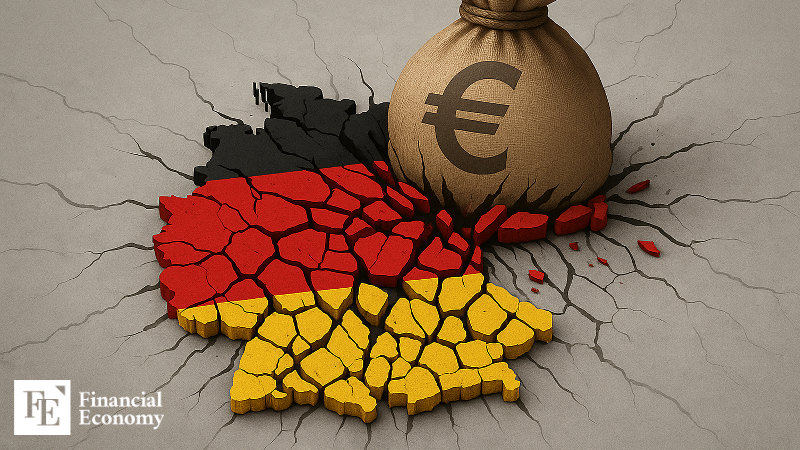
Warnings Mount Over a Surge in Germany’s Debt Ratio
Concerns are growing inside Germany as well. According to Welt on the 11th, the Bundesbank warned in a recent report that if current spending trends continue, Germany’s debt-to-GDP ratio could approach 90 percent by 2040 — and may even exceed 100 percent. The report said the rapid buildup of debt would weaken fiscal resilience and limit the government’s ability to support households and businesses in times of crisis. It also cautioned that the trend could clash with a stability-focused monetary policy.
The Bundesbank argued that Germany must bring its debt ratio back below the EU’s recommended threshold of 60 percent of GDP over the long term and urged the government to tighten its deficit-reduction plans. The report advised reducing the fiscal deficit — expected to reach 4 percent of GDP by 2029 — to below 1 percent after 2030. Maintaining that level, it said, could bring debt back under 60 percent of GDP by the mid-2050s.
There are also persistent worries about welfare cuts. Finance Minister Lars Klingbeil warned in July, during approval of the 2026 budget, that Germany’s decision not to raise taxes may require substantial spending cuts across ministries and potential reforms to the welfare system — a major challenge for the next 12 months. Germany’s social-welfare spending totaled USD 1.35 trillion last year, amounting to 27.9 percent of GDP.
As one of the youngest members of the team, Tyler Hansbrough is a rising star in financial journalism. His fresh perspective and analytical approach bring a modern edge to business reporting. Whether he’s covering stock market trends or dissecting corporate earnings, his sharp insights resonate with the new generation of investors.
Similar Post