General-Purpose DRAM Booms in the Memory Upcycle — Samsung Set to Benefit, China’s CXMT Closes In

Authored On
Modified
amsung Gains as AI Drives a Looming Shortage in Commodity DRAM
Micron and SK hynix Also Accelerate Portfolio Shifts
China’s CXMT Steps Up DDR5 Development to Boost Competitiveness
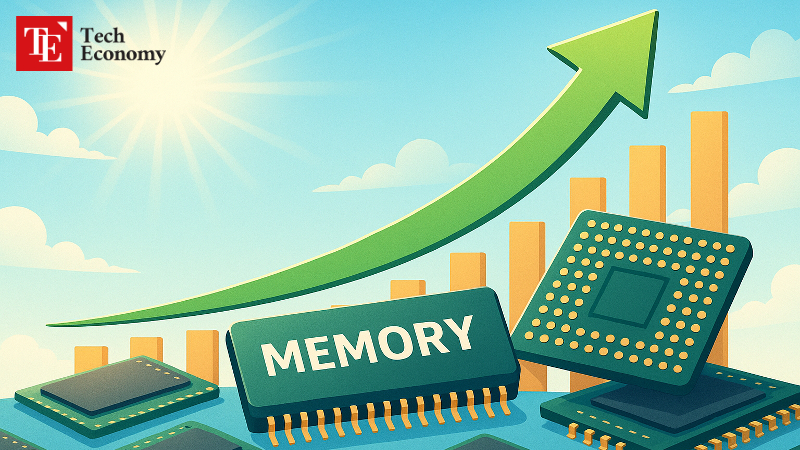
The global memory-chip market is projected to sustain explosive growth through 2030, fueled by an AI-driven surge in demand for high-bandwidth memory (HBM) and commodity DRAM. As the industry enters a new upcycle, Samsung Electronics is widely seen as the biggest beneficiary. Micron, SK hynix, and China’s ChangXin Memory Technologies (CXMT) are also stepping up efforts to strengthen their positions in commodity DRAM, where prices have recently spiked.
Samsung Rides the Memory Boom to Rapid Growth
According to a report released on the 4th (local time) by market research firm DataM Intelligence, the global memory market is projected to expand from $178.5 billion in 2022 to $455.9 billion by 2030. The primary driver is AI and data centers. While smartphones and PCs once led memory demand, hyperscale data centers powering generative AI training are now emerging as the new growth engine.
Samsung Electronics is widely viewed as the biggest beneficiary, given its large-scale memory capacity and flexible product mix. The AI boom has pushed up prices for commodity DRAM. As memory makers have prioritized limited DRAM output for HBM, demand for server DRAM has surged, tightening supply. Samsung’s DRAM sales have climbed sharply as a result. TrendForce estimates Samsung’s DRAM revenue reached $13.5 billion in the third quarter, up 30.4% quarter-on-quarter ($3.15 billion). While it slightly trailed SK hynix in total revenue ($13.75 billion), Samsung’s absolute increase was roughly twice as large.
Some in the industry say Samsung’s rising influence in DRAM could reshape the broader competitive landscape. Earlier this year, Samsung lost the No. 1 spot in DRAM to SK hynix for the first time in 33 years in the first quarter, and then ceded the top position in the overall memory market in the second quarter. But signs of a shift have begun to emerge since the upcycle strengthened in the fourth quarter. Brokerages expect Samsung to post more than $12.4 billion in operating profit in Q4, well above market expectations. Operating profit at its Device Solutions (DS) division is projected at roughly $10.4 billion, up 166% from the previous quarter and 422% year-on-year. Some analysts also expect Samsung to reclaim the No. 1 position in global DRAM market share by revenue in the fourth quarter.
Micron and SK hynix Shift Strategy
As profitability improves for server-focused memory products, major players beyond Samsung are reshaping their portfolios. Micron has recently said it will exit its consumer-memory business to concentrate manufacturing capacity on AI data-center memory, aiming to drop lower-margin consumer lines and capture surging enterprise AI demand. Micron is considered one of the world’s top three memory makers alongside Samsung and SK hynix.
SK hynix, meanwhile, had been notifying key customers that it would reduce commodity DRAM supply to expand HBM output. But with commodity DRAM prices continuing to rise, the company appears to be adjusting course. Industry sources say SK hynix is expected to expand its 1c DRAM capacity—currently around 20,000 wafers per month—to as much as 190,000 wafers per month by the end of next year. Production is centered at its Icheon M14 and M16 fabs, with part of the 1c DRAM line also slated for introduction at Cheongju’s M15X. SK hynix’s 1c process is used not for HBM but for commodity DRAM products such as DDR5, LPDDR5X, and GDDR7.
Moves to broaden end-demand for commodity DRAM are also emerging. One market source said SK hynix has historically supplied commodity DRAM mainly to mobile and PC segments, with a relatively small share in automotive compared with Samsung, Micron, and Kioxia. Recently, however, it has reportedly been considering raising its automotive exposure as well—seeking to ride growing memory demand tied to next-generation connected vehicles and advanced driver-assistance systems (ADAS).
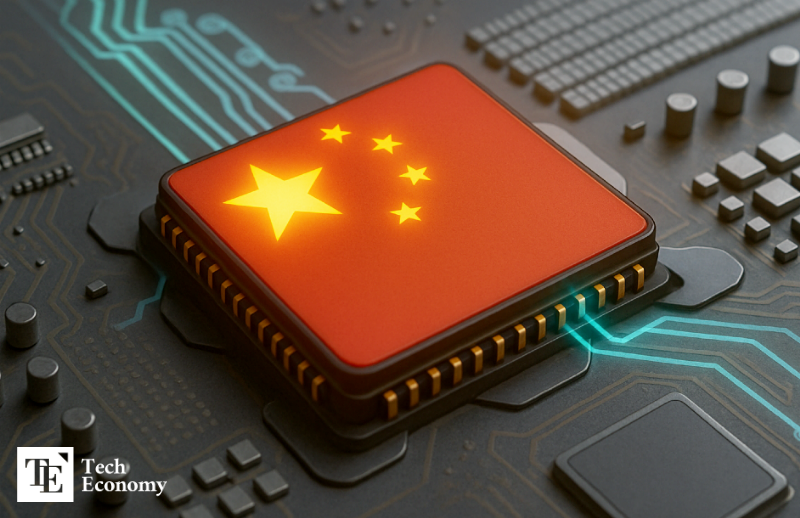
China’s DRAM Push Shifts to DDR5
Chinese chipmakers are also accelerating efforts to upgrade their commodity DRAM capabilities. Last month, CXMT unveiled seven DDR5 and LPDDR5X (low-power) products at the IC China 2025 event in Beijing. DDR5 is the latest DRAM standard used in PCs and servers, while LPDDR5X is used in smartphones and tablets. Chinese suppliers that had been gaining share by selling older-generation products such as DDR4 at low prices are now moving to showcase current-generation memory in earnest.
CXMT said its DDR5 products reach peak speeds of 8,000Mb per second, a sharp improvement from the previous generation’s 6,400Mbps. It also claimed its LPDDR5X lineup tops out at 10,667Mbps, putting it broadly in line with mainstream products on the market. A semiconductor industry source said, “It’s hard to judge leading-edge process competitiveness from what’s been disclosed, but versus the products that are actually being sold in volume today, the technology gap appears to have narrowed meaningfully,” adding, “Still, with yields not clearly known, we need to watch how this develops.”
Experts, however, expect Chinese memory makers—including CXMT—to face limits in fully benefiting from the current memory boom, arguing their technology still lags top competitors. Citi analysts, for example, expect CXMT to double DDR5 output by next year, but said its products still trail Samsung Electronics and SK hynix in power consumption and form factor. U.S. technology controls are another constraint: Washington has for years restricted China’s access to advanced semiconductor equipment. Reuters reported in May, citing sources, that U.S. officials were considering adding CXMT to the Entity List, a stricter export-control blacklist.
Similar Post