Trump Issues Stern Warning on Iran’s Nuclear Rebuild, Prospects of U.S.–Israel Coordination Resurface

Authored On
Modified
U.S., Israel Coordinated During June Preemptive Strikes on Iranian Nuclear Sites
Middle East Risk Expands Amid Hamas Disarmament Debate
Prolonged Ukraine War Raises Fears of Expanded Russian Strategic Leverage
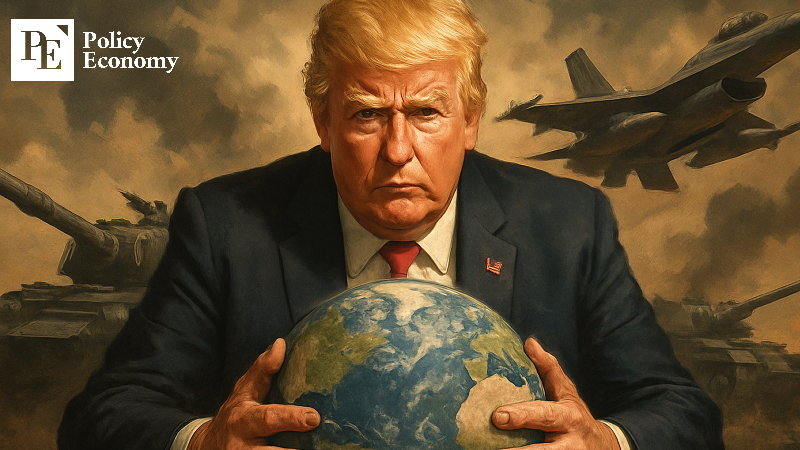
U.S. President Donald Trump has publicly warned that Washington could resort to military action should Iran attempt to rebuild its missile capabilities or revive its nuclear program, following his meeting with Israeli Prime Minister Benjamin Netanyahu. Given that the United States and Israel previously coordinated during the destruction of Iranian nuclear facilities in June, Trump’s remarks are widely interpreted as signaling renewed prospects for military cooperation between the two allies. As escalating Middle East tensions could simultaneously create strategic space for Russia to gain leverage in the Ukraine war, attention is also turning to the broader implications of Trump’s hardline stance for the global security landscape.
U.S.–Israel Discussions on Countering Iran’s Nuclear Rebuild
On the 29th, Trump met with Netanyahu at his Mar-a-Lago residence in Florida, where the two leaders discussed Iran’s nuclear and ballistic missile programs as key agenda items. Speaking at a joint press conference after the talks, Trump warned that “if Iran is found to be engaging in bad behavior, there will be consequences,” adding that “those consequences will be at a level never seen before—extremely severe.” He further remarked that “they should have made a deal” and that “I gave them options,” while noting that the possibility of bilateral talks with Iran remained open.
Earlier, Euronews and other outlets cited Israeli military officials as saying that Iran is showing signs of rebuilding long-range missile capabilities capable of striking Israel. According to the reports, despite the destruction of one-third of Iran’s missile launchers and fuel production facilities during the June conflict, Tehran has resumed missile production using outdated methods and is operating factories around the clock. Israeli intelligence agencies assess that Iran has restored its missile system to prewar levels, aiming for the capability to launch 2,000 missiles simultaneously in a future conflict, and have recently briefed lawmakers on these developments.
Trump and Netanyahu also discussed the next phase of the Gaza ceasefire agreement. Trump said he wanted to reach the second phase “as soon as possible” and stressed that Hamas, the Palestinian militant group, must be disarmed swiftly. “If disarmament does not happen, there will be a heavy price to pay,” he warned, calling it “an essential condition for regional peace.” Asked about potential responses should Hamas refuse to disarm, Trump said “terrible things will happen” and emphasized that he would move into other countries willing to conclude agreements to eliminate Hamas.
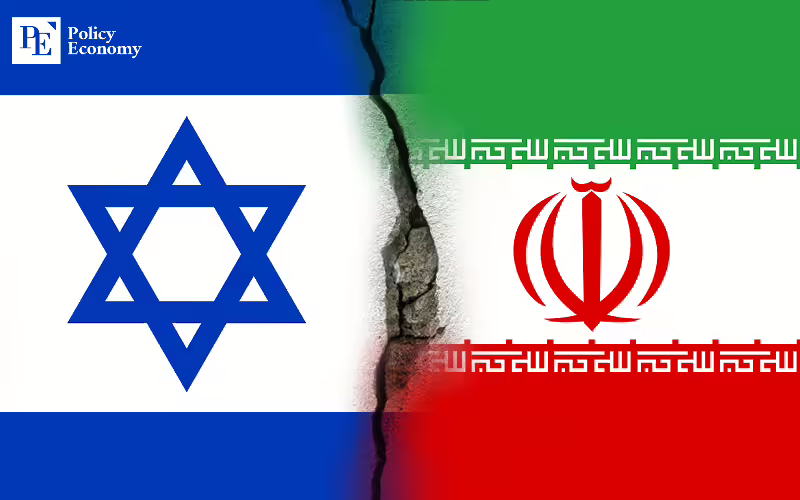
Trump Previously Approved ‘Rising Lion’ Operation
Netanyahu is reported to have been considering renewed strikes on Iran even before the summit, proposing a new operation to Trump and probing the possibility of U.S. participation or support. On the 24th, speaking at an Israeli Air Force pilot graduation ceremony, Netanyahu said Israel was closely monitoring the rearmament of Iran, Hamas, and Hezbollah, adding that Israel would act if necessary. “We do not seek confrontation, but we are preparing for all possible risks,” he said.
This is not the first time Trump has coordinated military pressure with Israel. On June 13, Israel launched the “Rising Lion” operation, a preemptive strike on Iranian nuclear facilities reportedly carried out with Trump’s prior approval. The United States subsequently provided air defense support, including missile interception, effectively backing Israel’s military campaign. A week later, Washington announced that it had deployed B-2 bombers to strike three Iranian nuclear sites, using U.S.-exclusive weapons in a coordinated action that dealt a critical blow to Iran’s nuclear program.
The United States has since warned that it would launch further attacks should Iran attempt to rebuild damaged uranium enrichment facilities. Just three days after the ceasefire, on June 25, Trump met NATO Secretary General Mark Rutte ahead of a NATO summit in The Hague and responded “of course” when asked about the possibility of additional military measures against Iran. In his address at the summit later that day, Trump told allied leaders that “if Iran moves to rebuild its nuclear program, U.S. B-2s will fly again,” urging allies to share assessments of the Iranian threat and join additional pressure efforts.
Russia Steps Up Strikes to Gain Upper Hand in Peace Talks
The intensification of Middle East tensions raises concerns that Russia could maneuver the Ukraine war into a more favorable position. Renewed conflict involving Iran and Israel has pushed up global oil prices, and if Western diplomatic and military attention shifts toward the Middle East, support capacity for Ukraine could weaken. Indeed, oil prices recently climbed by more than 1 percent as Middle East tensions coincided with risks tied to the Russia–Ukraine war, with both Brent crude and West Texas Intermediate rising over 1 percent intraday as geopolitical risks were priced in.
As ceasefire talks remain stalled, military clashes between Russia and Ukraine have again escalated. On the 24th, Ukraine proposed a U.S.-coordinated peace plan to Russia, but Moscow responded the following day with intensified missile and drone strikes. More than 600 drones and missiles were launched across Ukraine, causing numerous civilian casualties in major cities including Kyiv and Donetsk. Ukrainian President Volodymyr Zelensky condemned the attacks, calling strikes on energy and civilian infrastructure during Christmas “an attempt to sabotage peace negotiations.”
Against this backdrop, Russia is also strengthening cooperation with Iran. On the 28th, Iran’s state broadcaster IRIB reported that three Iranian-made observation satellites were successfully launched into orbit from Russia’s Vostochny Cosmodrome aboard a Soyuz rocket. Iran’s decision to use the Russian launch vehicle, rather than a domestic one, was attributed to the reliability Russia has built in precision satellite deployment. Iran has conducted a total of ten satellite launches over the past two years and has expanded space cooperation with Russia, including another launch from the same site in July, underscoring deepening strategic ties between the two countries.
Similar Post