"Pivoting Toward High Value and Premium Segments" — Samsung Electronics Reshapes Home Appliance Strategy, Can It Challenge Europe’s Established Brands?

Authored On
Modified
Samsung Electronics Accelerates Strategic Overhaul and Restructuring of Appliance Business
Amid China’s Rapid Advance, Seeks Breakthrough via AI- and IoT-Driven Premium Appliances
European Premium Brands Anchored in Heritage and Quality, Direct Competition Remains Challenging
Samsung Electronics’ home appliance business strategy is undergoing a rapid transformation. As Chinese manufacturers intensify their offensive and reshape the competitive landscape of the global appliance market, the company is pivoting toward premium, high-value products in search of new growth avenues. However, industry observers note that entrenched European premium appliance brands, fortified by decades of accumulated brand equity, continue to defend their positions, making it difficult for a late entrant like Samsung to gain immediate traction in the segment.
Transformation of Samsung’s Home Appliance Division
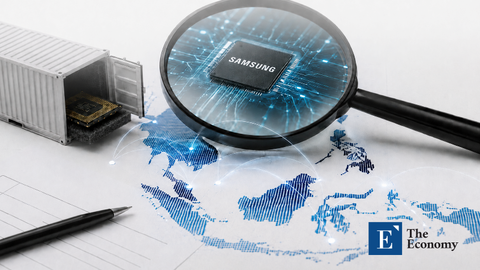
According to industry sources on the 29th, Samsung Electronics’ Digital Appliances (DA) division recently announced during an investor briefing that it would shut down production lines for certain products, including dishwashers and microwave ovens, as well as its Malaysia plant, which has been in operation since 1989. The move signals a clear intent to break away from traditional business structures and refocus on high-margin core products. In practice, Samsung plans to outsource production of relatively low-value or highly price-competitive products to vetted external partners, while concentrating its capabilities on strategic offerings such as its “Bespoke” lineup.
Significant changes have also unfolded across its global manufacturing footprint. In Southeast Asia, production strategies are being reorganized around Vietnam, which has emerged as Samsung’s key manufacturing hub. Last month, the company also initiated closure procedures for its Galanta plant in Slovakia after 24 years of operation. Once a critical base for targeting the European TV market, the facility has recently faced declining production efficiency amid deteriorating market conditions. In North America, Samsung Electronics America (SEA) has also begun workforce restructuring.
Signs of change are emerging in China as well, where rumors of a potential exit from the appliance business have circulated repeatedly. On the 27th, Japan’s Nikkei reported, citing sources, that Samsung plans to cease appliance and TV sales in China within the year and refocus on the U.S. market. According to the report, Samsung finalized the decision to halt sales at the end of this month and has begun briefing local employees and business partners. Inventory in China will be gradually liquidated, with sales expected to be fully discontinued within the year. However, production lines for refrigerators, washing machines, and air conditioners will remain, serving as export-oriented global supply chain bases.
Shift Toward Premium Appliances Amid Chinese Competition
Samsung’s sweeping overhaul of its appliance strategy reflects the rapidly shifting competitive dynamics driven by the aggressive expansion of Chinese manufacturers. According to market research firm Omdia, Chinese companies (Hisense, TCL, Xiaomi) held a 31.8% share of the global TV market by shipment volume in the third quarter of last year, surpassing the combined 28.5% share of Korean firms (Samsung Electronics and LG Electronics). During the same period, low-priced products under $500 accounted for 39.7% of total revenue, up sharply from 31.5% in 2021, underscoring the growing dominance of China in the mid- to low-end segment.
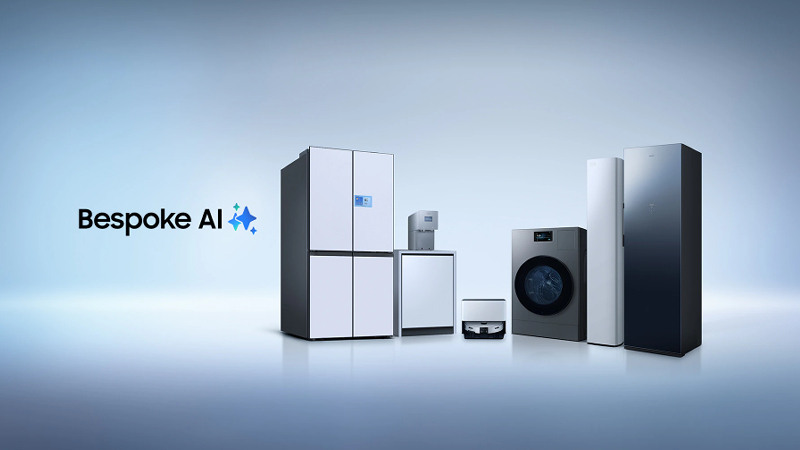
To secure competitiveness, Samsung is intensifying efforts to premiumize its appliances while enhancing usability. Rather than selling individual products in isolation, the company is connecting them through its integrated IoT platform, SmartThings, while embedding technologies such as cameras, voice recognition, sensors, and artificial intelligence to create a unified ecosystem. The traditional attributes of premium appliances—large capacity, refined design, and high efficiency—are being redefined into an “AI experience” that adapts to users’ lifestyles autonomously.
The Bespoke AI lineup exemplifies this approach. Refrigerators utilize internal cameras and AI vision to recognize food items and suggest storage conditions and recipes. Washing machines and dryers automatically adjust cycles based on load weight and contamination levels, while certain models feature AI home displays capable of controlling other appliances. Additionally, Samsung is expanding subscription-based services that allow users to access AI appliances on a monthly basis, along with maintenance and management benefits. This model reduces upfront purchase burdens while encouraging long-term engagement within Samsung’s ecosystem.
Competitiveness of European Premium Appliances
Despite these efforts, the market remains skeptical about Samsung’s ability to compete head-to-head with European premium brands. Established players such as Miele, Bosch, Siemens, and Gaggenau possess deeply entrenched premium identities built over decades. Consumer trust in long-term performance stability, the superior quality of materials and finishing, and reliable post-purchase repair and maintenance experiences have collectively solidified their brand equity. For European consumers, premium appliances are defined by durability, quiet operation, energy efficiency, and consistent usability over extended periods.
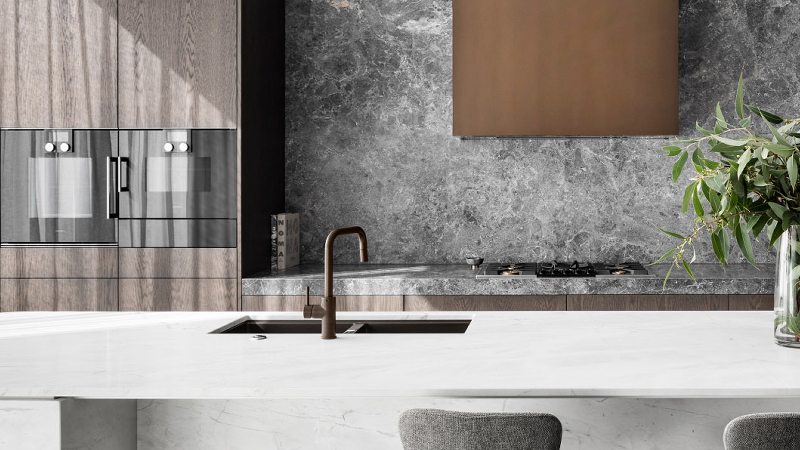
These brands demonstrate particular strength in kitchen appliances, where their “built-in-centric design” philosophy stands out. European manufacturers have long targeted the market by integrating ovens, dishwashers, and refrigerators into kitchen layouts. In this process, appliances are required to meet finishing quality and durability standards comparable to furniture, evolving beyond functional products into high-end assets integrated with spatial design. In contrast, Samsung’s kitchen appliances tend to emphasize modular and freestanding configurations, positioning them more as consumer goods that prioritize convenience and design flexibility.
Limitations also exist in terms of production structure. Samsung has historically built its competitiveness on mass production and global distribution networks. By contrast, the European premium appliance market prioritizes customized demand tailored to home layouts and consumer preferences over standardized mass supply. A market expert noted, “The European premium appliance market places importance on small-batch, order-based production and long-term maintenance experience, which differs fundamentally from Samsung’s traditional approach,” adding, “It remains uncertain whether a late entrant like Samsung can penetrate a market firmly held by established players within a short period.”
Similar Post