Korea’s Steel Restructuring Debate Widens, Bipartisan “K-Steel Act” Faces Pervasive Pessimism

Authored On
Modified
Weak downstream demand is dragging on both domestic sales and exports
Rumors suggest big steelmakers are being pushed to absorb smaller rivals
Bipartisan revival plans face doubts about real execution
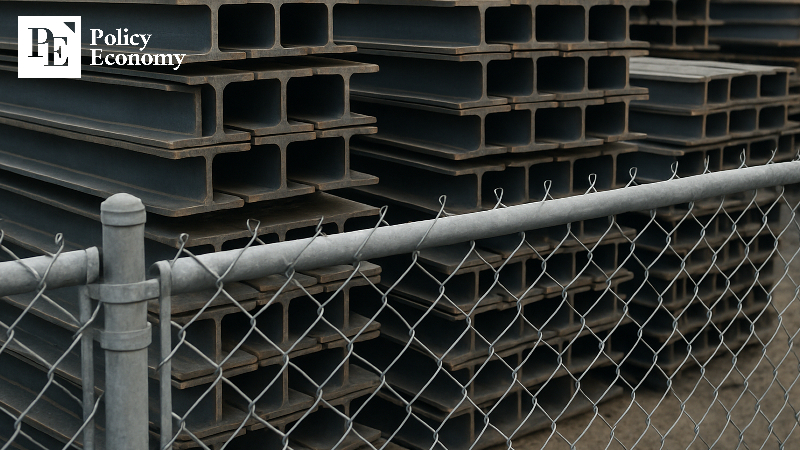
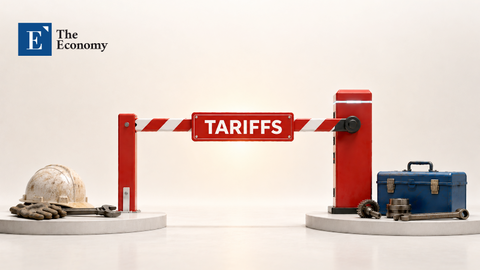
South Korea’s steel sector is facing a triple burden—steep U.S. tariffs, China’s low-price offensive, and global oversupply. As speculation continues over consolidation centered around large corporations, the government has denied any plans for state-led restructuring. In the political arena, legislation to enhance steel industry competitiveness is underway, but industry voices remain skeptical, viewing it as mere policy posturing rather than meaningful reform.
“Business foundations are collapsing,” industry voices lament
According to industry sources on October 16, the Ministry of Trade, Industry and Energy plans to announce measures to strengthen steel competitiveness within the month. The initiative is expected to include capacity reductions and a shift toward high value-added products, stronger trade defenses against unfair imports, and product-specific strategies to counter global oversupply. Some speculate that the plan may also include mergers or acquisitions between large and small producers and the reduction of outdated facilities. Despite these efforts, many in the industry argue that the crisis is multilayered and cannot be solved without fundamental restructuring.
The current downturn goes far beyond normal economic cycles. The combination of U.S. tariffs and China’s low-cost exports has sharply eroded the profitability of even export-heavy conglomerates. According to financial data provider FnGuide, POSCO Holdings’ third-quarter revenue was about $12.7 billion and operating profit $471 million, down 3.1% and 11.3% from a year earlier. Hyundai Steel’s operating profit reached $81 million, up from $37 million last year, yet the persistent oversupply from China has kept the recovery weak.
Industry insiders say the pain extends far beyond the numbers. The global slowdown, surging raw material prices, and rising energy costs have pushed up production expenses and reduced operating rates. As a result, POSCO shut down its No. 1 steelmaking and wire rod plants in Pohang last year and sold its Zhangjiang unit in China. Hyundai Steel suspended operations at its No. 2 Pohang plant and is working to sell its heavy machinery division at Plant No. 1. Even major producers are restructuring, leaving smaller mills with few options beyond production cuts and layoffs.
Some in the industry say, “At this point, government intervention seems inevitable.” Still, most experts believe that since the problems stem from global oversupply and weakened structural competitiveness, short-term restructuring alone cannot solve them. “The recent production cuts in China and anti-dumping measures only provided brief relief,” one industry insider said. “Without stronger technology and diversified markets, the industry will soon find itself back on the edge.”
Criticism mounts over the lack of strategies to improve industrial competitiveness
The government maintains that it will not pursue forced restructuring. An official from the ministry said, “Reports of consolidation or production cuts within the steel sector are untrue. The government has not led or induced any restructuring.” The official added, “We will prepare responses tailored to supply-demand conditions in overproduced categories, considering the voluntary rationalization already underway by companies.”
Despite these assurances, many in the industry believe mergers and acquisitions between large and smaller firms are already inevitable. “Most of the government’s so-called voluntary restructuring measures effectively amount to guided production cuts,” said one steel executive. “With overcapacity and slowing demand already pushing the industry into contraction, leaving everything to the private sector while the government steps back will only heighten instability.”
Industry observers warn of a repeat of past mistakes, recalling how government incentives during petrochemical restructuring mainly benefited large corporations. Many fear the steel restructuring will end up as another round of “policy justification building” with little tangible impact.
Industry urges shift toward private-led innovation rather than government-driven reform
Meanwhile, 106 lawmakers from both ruling and opposition parties have jointly proposed the “K-Steel Act” (Special Act on Strengthening Steel Industry Competitiveness and Transition to Green Steel Technology). The bill aims to establish a national legal framework to address global oversupply, declining exports, and domestic stagnation. It calls for a presidential advisory committee on steel competitiveness and mandates that the government formulate five-year master plans and annual implementation plans. Once enacted, the committee will oversee and coordinate long-term strategies across the entire industry.
At the heart of the legislation lies the goal of green transformation. It designates hydrogen-based steelmaking as a national strategic project and includes practical support measures such as R&D funding, facility investment, and tax incentives. This is intended to narrow the technology gap with Europe as the Carbon Border Adjustment Mechanism (CBAM) comes into effect. The plan also proposes designating major steel-producing cities such as Pohang, Gwangyang, Dangjin, and Incheon as “Green Steel Special Zones,” with simplified permits and reduced administrative costs.
The bill further introduces incentives to encourage restructuring and address overcapacity. Companies that voluntarily reduce production or close facilities would receive benefits, while certain antitrust restrictions would be temporarily lifted to facilitate the process. To curb the inflow of low-priced Chinese steel, the bill also includes measures to strengthen origin labeling, block substandard imports, and upgrade anti-dumping monitoring systems—seen as minimal safeguards to prevent the collapse of competitiveness in an export-dependent sector.
While the industry acknowledges the symbolic value of bipartisan cooperation, skepticism persists over the law’s actual impact. If the bill remains declarative like previous industrial policies, experts warn, the Korean steel industry could face existential risks within the next decade. Without simultaneous progress in production cuts, R&D, and market reform, the crisis may only deepen. Many in the sector argue that the private industry must drive technological innovation while the government focuses on strengthening institutional support. Ultimately, the K-Steel Act’s effectiveness will depend on whether state execution and private innovation can align.
Similar Post