China Defies Global Criticism Over Subsidies — Then Accuses India of the Same

As one of the youngest members of the team, Tyler Hansbrough is a rising star in financial journalism. His fresh perspective and analytical approach bring a modern edge to business reporting. Whether he’s covering stock market trends or dissecting corporate earnings, his sharp insights resonate with the new generation of investors.
Authored On
Modified
WTO and Global Community Have Long Criticized China’s Subsidy Policies
Despite dropping its developing-nation status, Beijing is expected to maintain its state-led growth model
China pushes back against India’s EV and battery subsidy programs
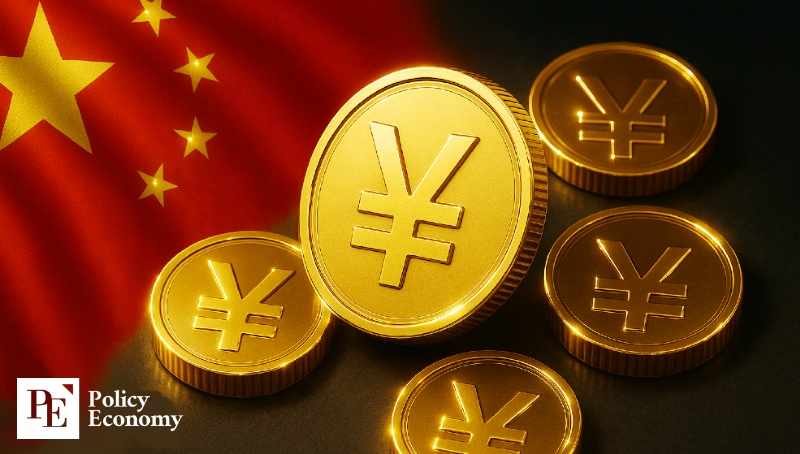
China’s industrial sector continues to expand rapidly under the backing of government subsidies. Confident in state support, Chinese firms are pursuing aggressive investments and bold strategies to strengthen their market foothold. Although the World Trade Organization (WTO) and the broader international community have criticized Beijing’s approach, little change is expected as long as the government maintains its state-led growth model.
China’s Subsidy Policy Draws Global Backlash
According to political sources on October 17, China has long faced criticism from the World Trade Organization (WTO) over its industrial subsidy practices. Last year, the WTO conducted a trade policy review on China and released a 173-page report stating that “although the Chinese government provided information about its subsidy programs during the review period, the data supplied was insufficient to determine the total amount of subsidies granted to domestic firms.” The trade policy review is a multilateral assessment aimed at ensuring transparency in member states’ trade policies.
The WTO noted that China’s subsidy notifications lacked detailed information on financial support levels in key industries — such as aluminum, electric vehicles (EVs), solar modules, glass, shipbuilding, semiconductors, and steel — where state backing could have global market implications. The organization added that “although Chinese authorities claimed their policies follow market principles, the subsidies provided through government-established investment funds were generally not disclosed to the WTO.” Estimates of these funds ranged from about 260 billion to 930 billion dollars.
Beyond the WTO, other major economies have also taken action against China’s state aid practices. In October last year, the European Union imposed countervailing duties on Chinese electric vehicles. The European Commission said the decision followed findings that “China’s battery electric vehicle value chain benefits from unfair subsidies, posing a risk of economic harm to EU manufacturers.”
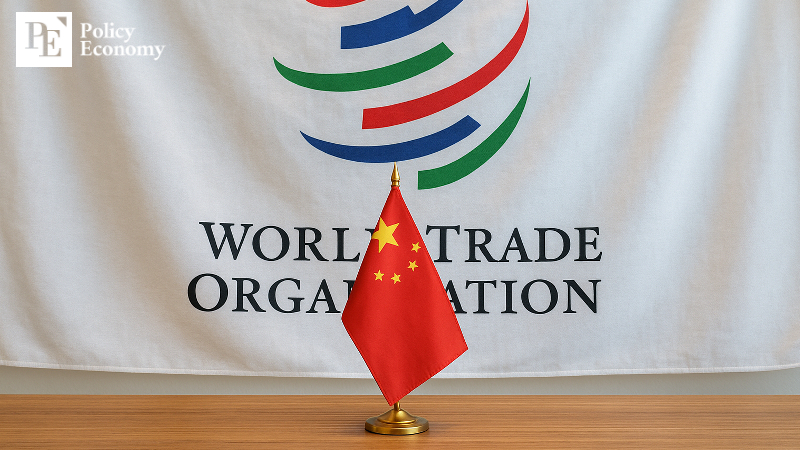
Will China’s Abandonment of Its Developing-Nation Status Mark a Turning Point?
Analysts are increasingly questioning whether China’s subsidy-driven industrial growth model can sustain its momentum. The debate follows Beijing’s recent decision to relinquish the developing-country privileges it has long enjoyed under the World Trade Organization (WTO). Such privileges — known as Special and Differential Treatment (SDT) — grant developing nations leniency in trade liberalization obligations, grace periods for rule implementation, and access to financial and technical support, as well as agricultural and food security protections. Without these benefits, Chinese firms will likely face greater challenges in securing tariff exemptions or industrial subsidies, while other countries may gain more room to adopt stronger trade measures targeting Chinese goods.
However, many experts believe that giving up developing-country status will not bring a significant shift to China’s industrial landscape. As long as its state-led growth model remains intact, the change in status is viewed as a minor variable rather than a structural transformation. One market analyst noted that “the Chinese government continues to back its companies aggressively, absorbing massive financial costs in the process,” adding that “China is essentially pursuing a startup-style growth model that prioritizes expansion over profitability.” The analyst also said that while the official size of direct subsidies may decline on paper, “no dramatic change should be expected unless Beijing abandons its fundamental strategy of state-driven growth.”
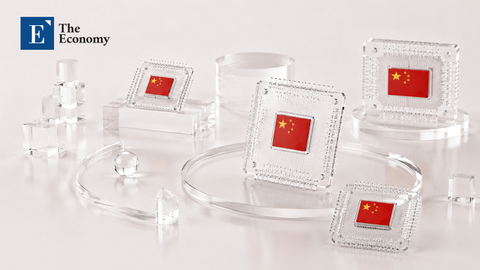
This state-led approach is particularly evident in China’s technology sector. The country’s semiconductor value chain, heavily supported by government subsidies, serves as a prime example. China has poured vast sums into nurturing its chip industry, with Huawei — often cited as a key beneficiary — leading the ecosystem across design, manufacturing, and packaging through local partners such as Changdian Technology and North China Huachuang. Huawei has expanded rapidly, developing its own operating system (OS) and AI infrastructure while advancing its semiconductor business through its subsidiary HiSilicon.
ChangXin Memory Technologies (CXMT), China’s largest memory chip producer, has likewise relied heavily on government subsidies to pursue a long-term growth strategy that pays little heed to short-term profitability. Industry insiders estimate CXMT’s operating margin at around minus 50 percent, reflecting persistent losses despite continued expansion in output. Nevertheless, the company is pressing ahead with aggressive investments in high-value segments such as high-bandwidth memory (HBM), underscoring China’s determination to advance its technological self-sufficiency.
China Files WTO Complaint Against India Over EV Subsidies
While Beijing continues to aggressively support its own industries, it has reacted sharply to other nations’ subsidy policies. On October 15 (local time), China’s Ministry of Commerce announced in a statement published on its website that it had filed a complaint with the World Trade Organization (WTO) against India’s electric vehicle (EV) and battery subsidy programs. The ministry urged New Delhi to “honor its commitments to the WTO and immediately correct its wrongful measures.”
According to the statement, “India’s subsidy policies give its domestic industries an unfair competitive advantage and harm China’s interests,” adding that “China will take firm action to safeguard the legitimate rights and interests of its industries.” The ministry also argued that several recent economic and trade measures introduced by India may violate WTO regulations and have raised concerns among member states.
India remains one of the most generous nations in terms of EV subsidies. The government provides extensive financial support not only for electric trucks, ambulances, and buses but also for the development of high-speed charging stations and battery technology. The central government covers at least 80 percent of the cost of building nationwide charging infrastructure and, in some cases, up to 100 percent. For China — which is pursuing an aggressive global EV expansion through companies such as BYD — India represents an increasingly direct rival.
As one of the youngest members of the team, Tyler Hansbrough is a rising star in financial journalism. His fresh perspective and analytical approach bring a modern edge to business reporting. Whether he’s covering stock market trends or dissecting corporate earnings, his sharp insights resonate with the new generation of investors.
Similar Post