China–Netherlands Clash Over Nexperia Spurs Fears of Auto Disruptions

Authored On
Modified
Netherlands Ousts Chinese CEO of Nexperia
US Pressure Sparks Tensions as China Retaliates with Export Controls
Auto Parts Supply Chain in Turmoil, European Carmakers on Alert
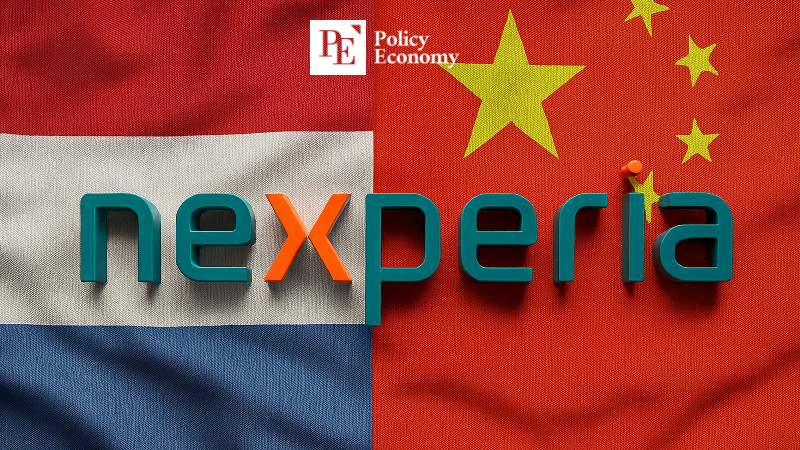
The dismissal of the Chinese CEO of Dutch semiconductor firm Nexperia has sent shockwaves through global markets. Under mounting U.S. pressure, the Netherlands took the unusual step of removing the executive, prompting swift retaliation from China in the form of new export controls. The move has disrupted global supply chains and put Europe’s automobile industry—heavily reliant on Nexperia components—on high alert.
Netherlands Seizes Control of Chinese-Owned Nexperia
On October 21 (local time), outlets including DigiTimes and Bloomberg reported that the Nexperia case could escalate beyond a corporate governance dispute into a geopolitical flashpoint among the U.S., China, and Europe—potentially triggering a “second semiconductor crisis” that paralyzes global auto supply chains. On October 12, the Dutch government invoked the Goods Availability Act to forcibly dismiss Nexperia’s Chinese CEO. The act allows government intervention in private companies during emergencies to secure access to essential goods.
In what is seen as an extraordinary move, the Netherlands effectively took control of Nexperia. The Minister of Economic Affairs can now block or overturn board decisions, and the government has authority over the company’s assets, intellectual property, operations, and personnel. In its statement, The Hague cited “serious governance failures and concerns over technology leakage,” warning that if key semiconductor technologies were transferred to China, it could undermine the stability of Europe’s industrial supply chains. The measure was reportedly implemented on September 30 but only announced later.
China Escalates Tensions with Retaliatory Measures
Beijing swiftly retaliated, denouncing the Dutch government’s move as “political interference.” The Ministry of Commerce imposed an export ban on roughly 50 billion chips produced at Nexperia’s Dongguan facility. It urged the Netherlands to “correct its mistake immediately,” framing the dispute as a test of Europe’s fairness and industrial sovereignty. Chinese Commerce Minister Wang Wentao warned that the Netherlands’ actions had caused “serious disruption” to global supply-chain stability.
Nexperia’s Chinese subsidiary also openly defied the Dutch decision. According to a report from the South China Morning Post on October 20, Nexperia China declared that its factories and operations would remain under the control of local management and that it was under no obligation to follow orders from the Dutch headquarters. Employees were reportedly instructed to disregard directives from the Netherlands, as their salaries are paid by the Chinese entity.
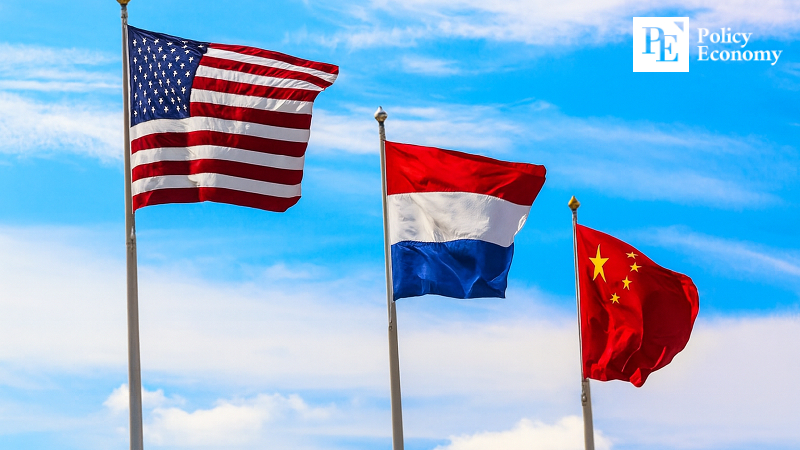
Analysts say U.S. pressure lies at the heart of the escalating conflict. In June, during a meeting with the Dutch Foreign Ministry, the U.S. Bureau of Industry and Security reportedly stated that replacing Nexperia’s CEO was “virtually essential” for the company to retain its exemption from the U.S. export-control list. Nexperia is owned by China’s Wingtech, which was added to that list last year. In September, Washington expanded the scope of its export restrictions to include subsidiaries of listed entities—placing the Netherlands squarely in the crosshairs of U.S. pressure over Chinese capital involvement.
Global Auto Supply Chains Begin to Shake
The automotive industry is increasingly concerned that the Nexperia crisis could trigger a semiconductor shortage reminiscent of the disruptions seen during the COVID-19 pandemic. Although Nexperia holds only a 1.2% share of the global automotive semiconductor market (ranking 19th worldwide), it is the world’s top producer of general-purpose semiconductors and the second-largest in power semiconductors. Its products are widely used in critical vehicle components such as powertrains, steering and braking systems, lighting, and advanced driver-assistance systems (ADAS), making the company an indispensable link in the global automotive supply chain.
European automakers fear that any halt in Nexperia’s chip supply could severely disrupt vehicle production. Europe accounts for 22% of Nexperia’s revenue—second only to China’s 48%. Hildegard Müller, president of the German Association of the Automotive Industry (VDA), warned in a statement, “This situation could lead to significant production limitations and even complete shutdowns in the near future.”
The European Automobile Manufacturers’ Association (ACEA) also revealed on October 16 that carmakers and suppliers were informed last week that Nexperia could no longer guarantee chip deliveries. The group warned that the industry’s existing Nexperia chip inventory could be depleted within weeks, after which production shutdowns would likely follow.
Similar Post