“Trump Tariffs Begin to Bite” — U.S. Corporations Launch Major Layoffs

Authored On
Modified
Trump’s tariffs hit profits and fuel uncertainty
Amazon cuts 14,000 jobs, UPS slashes 40,000
Walmart, Starbucks, and others follow suit
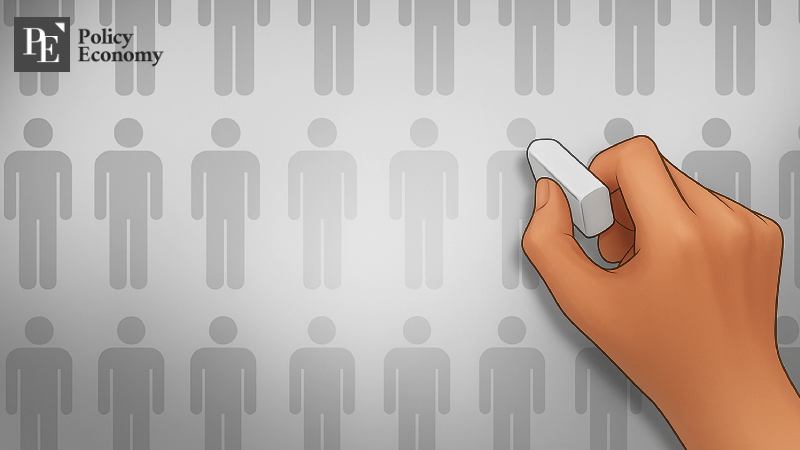
Major American corporations are embarking on sweeping layoffs, marking the first visible wave of restructuring triggered by the Trump administration’s high-tariff policy. While many firms attribute the reductions to efficiency gains from artificial intelligence (AI) adoption, the underlying reality points to a broader contraction driven by weakened logistics demand from China and rising operational costs. Analysts warn that a vicious cycle of falling demand, mounting expenses, and corporate downsizing is accelerating across the U.S. retail, manufacturing, and service sectors.
Amazon, UPS, Target Lead Layoff Domino Effect
According to The Wall Street Journal and other U.S. media outlets on October 28 (local time), Amazon Senior Vice President of People Experience and Technology Beth Galetti announced that the company will lay off 14,000 employees as part of a workforce streamlining initiative. Amazon, the second-largest private employer in the United States after Walmart, employs more than 1.54 million people worldwide. CEO Andy Jassy previously signaled that workforce reductions could continue over the next several years.
On the same day, logistics giant UPS disclosed that it has cut 34,000 operations staff and 10,000 management positions this year to improve its financial structure—far exceeding the 20,000 operational job cuts announced in April. UPS had already unveiled plans in January last year to eliminate 12,000 management positions. CEO Carol Tomé stated, “We are constantly seeking opportunities for cost reduction,” adding that the company is positioned to manage the “most efficient peak season in our history.”
Big-box retailer Target announced on October 23 that it will cut 8% of its 22,000 corporate staff—around 1,800 positions—in its largest workforce reduction in a decade, with 80% of affected employees based in the U.S. Meanwhile, Walmart earlier eliminated 1,500 positions in May, primarily within e-commerce logistics, global tech operations, and advertising divisions, while shifting resources toward in-store staff expansion as part of its restructuring strategy.
AI Adoption Used as Justification
Companies cite AI-driven automation as the official rationale for their cost-cutting measures. In a June internal memo, Amazon CEO Andy Jassy wrote, “As we integrate more generative AI and AI agents into our operations, the way we work will fundamentally change,” predicting that the company’s total headcount would decline over the next few years. eMarketer analyst Sky Canaves noted, “This move signals that Amazon has reached a level of AI productivity that enables significant labor reductions.”
Indeed, across the U.S. information and communications technology (ICT) sector, AI is rapidly displacing human roles. Microsoft, Meta, and Google have each conducted mass layoffs this year, ranging from thousands to tens of thousands of employees. Microsoft cut 6,000 workers from its product and engineering divisions in May, followed by another 9,000—around 4% of its total workforce—in July. The company stated that the move was aimed at “reducing management layers and improving productivity through new technologies.”
The Core Driver: Trump’s High Tariffs
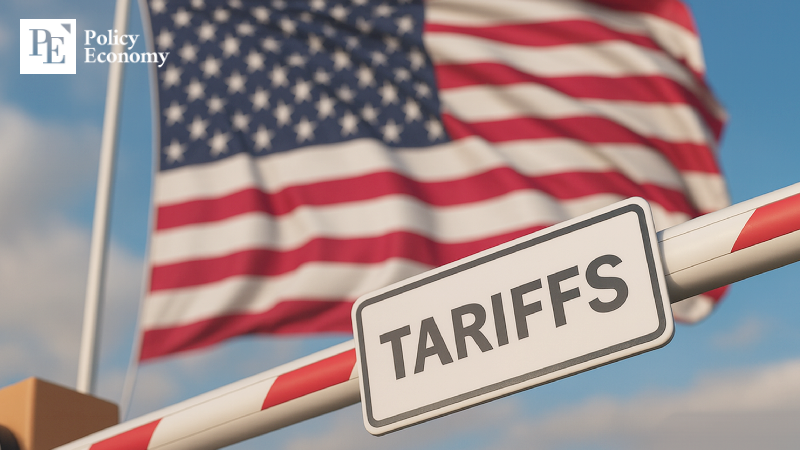
Experts contend that the real catalyst behind the layoff wave is the Trump administration’s high-tariff regime. Recent escalations in tariffs on Chinese imports have inflated supply chain costs across manufacturing and retail sectors, prompting companies to preemptively trim expenses. As tariff burdens rise, firms have little choice but to reduce import volumes or shift toward automation—decisions that ultimately translate into job losses.
Consumer goods manufacturer Procter & Gamble announced plans to cut 7,000 employees—around 6% of its global workforce—over the next two years to offset cost pressures stemming from import tax hikes. The company has already raised product prices and expects tariff-related impacts to persist through fiscal 2026. Food conglomerate Nestlé is also planning to eliminate 16,000 positions worldwide after surging tariffs drove up coffee and cocoa prices. Despite a round of price increases earlier this summer, the company continues to struggle with profitability recovery.
Starbucks, one of America’s most recognizable brands, has likewise turned to layoffs amid the tariff fallout. CEO Brian Niccol announced in February that the company would cut 1,100 corporate support positions. The Financial Times reported that “the Trump administration’s trade war has sharply reduced import volumes from China, while soaring raw material costs are placing U.S. corporations under growing strain.”
Similar Post