Brands Exit Korean Airport Duty-Free Stores as China’s Visa-Free Boost Fails to Materialize

Authored On
Modified
Brand Prestige Gives Way to Profit Pressures
Airport Stores See No Rebound Despite Visa-Free Tourism
Duty-Free Industry Enters “Post-Luxury” Transition

Following Hotel Shilla’s exit, Shinsegae Duty Free has also announced its withdrawal from Incheon International Airport’s Terminal 2, dismantling the long-held notion that an airport presence equals brand prestige. As the duty-free sector’s prolonged deficit deepens and rent negotiations with the airport continue to break down, more operators are choosing to withdraw—even at the cost of heavy penalties—rather than absorb mounting losses. While some in the industry had hoped that China’s new visa-free entry policy would lift sales, the rebound has been limited to downtown stores, offering little relief to airport locations.
Profitability Questions Cloud Airport Duty-Free Business
On the 30th, Shinsegae announced after a board meeting that it would return its Incheon Airport DF2 license covering cosmetics, perfume, liquor, and tobacco. Shinsegae had filed a rent adjustment request with the Incheon District Court in April, but negotiations collapsed when the airport rejected the court’s recommended reduction plan. Earlier this month, the court advised cutting Shinsegae Duty Free’s rent by 27.2% and Shilla Duty Free’s by 25%, but the airport refused, arguing that the rates would fall below bids made by losing competitors. Concluding that operations were unsustainable under current terms, Shinsegae opted to pull out.
Industry observers view the withdrawal as exposing the limits of airport-based duty-free operations. Just a month earlier, Hotel Shilla had exited the DF1 zone, accepting a penalty of roughly $136 million, underscoring that continuing losses outweighed contract termination costs. Shilla repeatedly requested rent relief due to shifting consumer behavior but was denied—leading it to make the same decision Shinsegae has now followed. These consecutive departures suggest that Shilla’s move to “accept penalties over deeper losses” effectively set a precedent that Shinsegae validated.
Through the 2010s, Incheon Airport’s departure duty-free zones served as high-visibility showcases for global brand partnerships, foreign tourist attraction, and corporate image building. When Lotte Duty Free withdrew in 2018 due to excessive rent and then failed to reclaim its spot in rebidding, industry insiders labeled it “a penalty for defiance.” The perception that withdrawal meant permanent exclusion kept major operators hanging on.
But Shilla’s exit has shifted the balance of power. On October 13, Shinhan Investment raised Hotel Shilla’s target price to $47 per share, citing improved margins from partial withdrawal. That signal spread quickly across the industry: airports are no longer indispensable strategic bases. “The back-to-back exits of Shilla and Shinsegae show that the airport’s threat of ‘reentry disadvantage’ has lost its bite,” said one retail executive. “If Incheon Airport insists on current rent levels, more operators will likely follow suit.”
Chinese Tourists Now Spend in City Centers, Not Airports
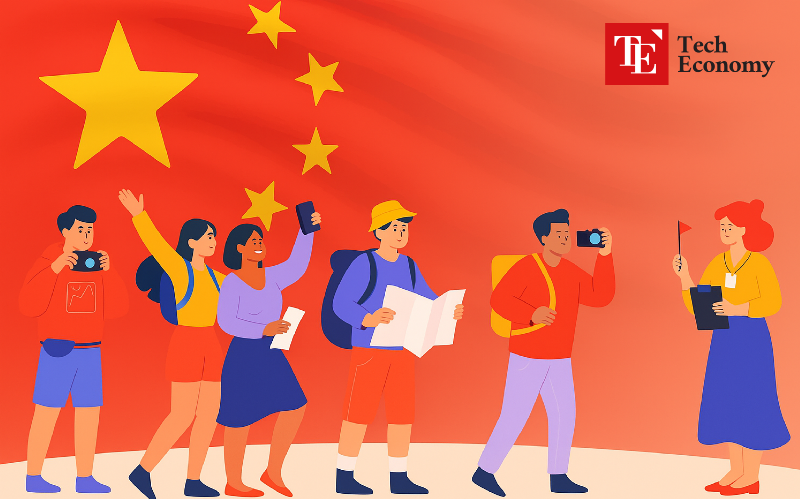
The decline in both the symbolic and practical value of airport duty-free stores is largely attributed to reduced spending by Chinese tourists. The industry had expected China’s visa-free group travel policy introduced in September to revive demand, but the benefits have concentrated in downtown outlets. According to the Korea Duty Free Shops Association, total duty-free customers reached 2.62 million last month, up 4.6% from a year earlier, yet most foreign spending occurred at city stores. At Shinsegae Duty Free’s Myeongdong flagship, sales to Chinese tourists surged 40% year-on-year as visitor numbers nearly doubled, while its Incheon Airport branch saw no meaningful growth.
The shift reflects changes in Chinese shopping patterns. Since the early 2020s, group travelers have moved from “last-minute airport purchases” to “early-trip city shopping.” With most tour itineraries concentrated in Seoul’s downtown districts, visitors now make major purchases early and buy only small additional items at the airport. “It used to be normal to shop heavily before departure, but now travelers seek out city brands recommended by influencers and tour operators,” said one duty-free executive. “The airport has become just a transit point.”
Downtown stores’ performance reinforces this trend. Lotte Duty Free’s Myeongdong flagship reported that Chinese shoppers accounted for over 60% of sales in late September, with mid-range categories like jewelry, eyewear, and leather goods rising more than 10%. Airport outlets, dominated by luxury labels, lagged behind; cosmetics and liquor sales both fell around 10% year-on-year. Given high fixed costs such as rent, industry consensus holds that short-term tourism upticks won’t be enough to avoid losses.
Pragmatism Replaces Display Spending Among Chinese Consumers
Experts agree that while visa-free policies may support long-term tourism, they won’t reverse the downturn in airport duty-free sales. China’s post-pandemic consumption trend has shifted from “show-off luxury” to “value-driven practicality,” undermining the industry’s luxury-heavy business model. According to S&P Global, China’s luxury spending briefly rebounded in 2023 but fell across all categories last year. In Hainan Province, cosmetics sales in the first half of 2024 dropped by about $560 million, while retail spending in Shanghai declined 2.3%.
The structural shift stems from the housing slump, rising youth unemployment, and delayed government stimulus—all of which have curtailed demand for high-end goods. Korean duty-free operators are responding with cost-cutting measures. Hotel Shilla reduced its full-time duty-free workforce by 11%, from 752 employees at the end of 2023 to 666 in June, while Lotte Duty Free cut headcount 18%, from 910 to 750. Both companies replaced regular staff with contracted in-house workers to trim labor costs.
The burden has fallen squarely on remaining employees. Last month, the Department Store and Duty-Free Sales Workers’ Union held a protest outside Shinsegae’s Seoul headquarters, demanding job security and improved working conditions. “As retailers continue returning their duty-free licenses, staffing has not recovered at all,” the union said, noting that employees now manage multiple stores simultaneously and often skip breaks. With the expected “China rebound” failing to materialize and the broader downturn deepening, Korea’s duty-free industry faces an unavoidable restructuring for survival.
Similar Post