Trump Pushes Drug Price Cuts Further — From Pressuring Big Pharma to Easing Biosimilar Approvals

Authored On
Modified
Trump Administration Lowers Barriers for Biosimilars to Cut Drug Prices
Pressures Pfizer and AstraZeneca to Sell at “Most-Favored-Nation” Prices
Pharma Lobbying Surges Amid Hardline America-First Policy
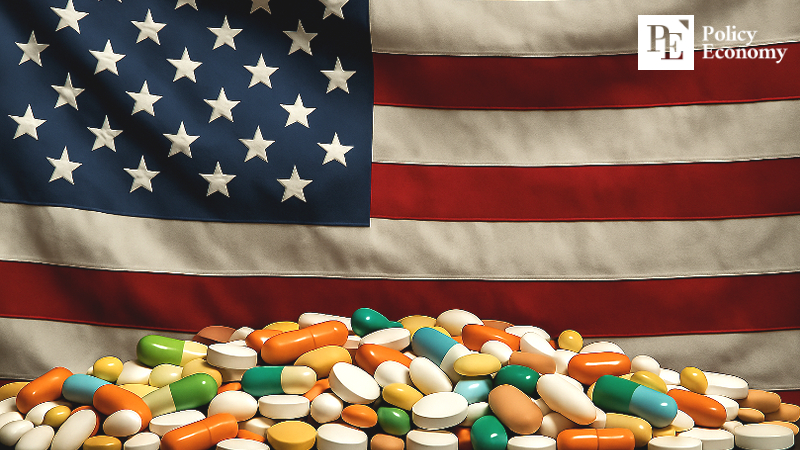
The U.S. Food and Drug Administration (FDA) has released a draft guideline simplifying the approval process for biosimilars. Following recent demands that global pharmaceutical giants lower their U.S. drug prices, the move marks another aggressive step by the government to push down medication costs through regulatory reform.
Trump Administration’s Drug Price Strategy
On the 29th (local time), the U.S. Food and Drug Administration (FDA) announced that it would “simplify biosimilar equivalence studies and reduce unnecessary clinical trials” under a new draft guideline. The proposal removes the requirement for comparative efficacy studies (CES) in biosimilar development and instead focuses on a streamlined comparative analytical assessment (CAA) process. Commenting on the policy, Health and Human Services Secretary Robert F. Kennedy Jr. said, “This biosimilar reform strengthens President Trump’s directive to lower drug prices for the American people. It will accelerate biosimilar development, promote market competition, and expand patient choice.”
As Kennedy noted, President Trump has made drug price reduction a core focus of his second administration. One of his flagship initiatives is the planned launch of “TrumpRx,” a government-operated online pharmacy designed to connect patients directly with drug manufacturers, eliminating intermediaries and distribution markups. Set to officially launch in January 2026, the platform will allow patients to purchase medicines directly from producers, benefiting from prices free of rebates and retail margins.
Global Big Pharma Bows to Pressure
The Trump administration has been tightening its grip on global pharmaceutical giants to force drug price cuts. On July 31, President Trump sent an open letter to 17 multinational drugmakers, including Pfizer, urging them to present concrete plans within 60 days to bring U.S. drug prices down to levels seen in other developed nations. The move came amid criticism that Americans pay nearly three times more for medications than the global average. In fact, according to a February 2024 RAND Corporation report, U.S. drug prices are 2.78 times higher than those in 32 OECD countries.
Pfizer was the first to respond. On August 30, President Trump held a White House briefing with Pfizer CEO Albert Bourla, announcing that Pfizer had agreed to sell all existing and future Medicaid-covered drugs at “most-favored-nation” (MFN) prices — the lowest price the company offers in any advanced economy. Alongside the pricing pledge, Pfizer committed to invest 70 billion dollars in U.S. manufacturing facilities, while the administration granted the company a three-year exemption from pharmaceutical import tariffs.
AstraZeneca followed suit on September 10, reaching a similar agreement with the administration. Trump announced that the company would also provide all Medicaid prescription drugs at MFN prices and sell future medicines in the U.S. at discounted rates. In return, AstraZeneca pledged 50 billion dollars in U.S. investments over the next five years and, like Pfizer, received a three-year exemption from tariffs on its U.S. exports.

Pharma Lobby Spending Surges 13% Under Trump
As the Trump administration doubles down on its “America First” agenda, the pharmaceutical industry has ramped up lobbying efforts to navigate the shifting policy landscape. According to The Washington Post and other outlets, 52 leading pharmaceutical and biotech firms and related organizations spent a combined 334 million dollars on lobbying in the nine months since Trump took office — a 13% increase from the same period a year earlier.
Data from the U.S. Senate’s Lobbying Disclosure Act database show that the Pharmaceutical Research and Manufacturers of America (PhRMA), one of the nation’s most powerful lobbying groups, spent 29.49 million dollars on lobbying from January to September 2025. Pfizer spent about 10.7 million dollars over the same period — a 155% surge year-on-year.
AstraZeneca spent more than 4.4 million dollars during that time, including roughly 1.4 million in the third quarter alone — more than double last year’s level. Gilead Sciences spent about 2.8 million dollars in Q3, up 36% from a year earlier. Meanwhile, Chinese contract research firms targeted by the U.S. Biosecurity Act also increased spending: WuXi AppTec invested 1.07 million dollars in lobbying between January and September, while WuXi Biologics spent around 560,000 dollars.
Similar Post