Ignoring Necessity, Eliminating Risk? Japan’s Dangerous Approach to Foreign Nationals

Stefan Schneider brings a dynamic energy to The Economy’s tech desk. With a background in data science, he covers AI, blockchain, and emerging technologies with a skeptical yet open mind. His investigative pieces expose the reality behind tech hype, making him a must-read for business leaders navigating the digital landscape.
Authored On
Modified
Far-Right Agenda Rekindled in Tokyo
Anti-China Sentiment Blends with Real Estate Controls
Record Number of Foreign Workers Underpins Japan’s Industries
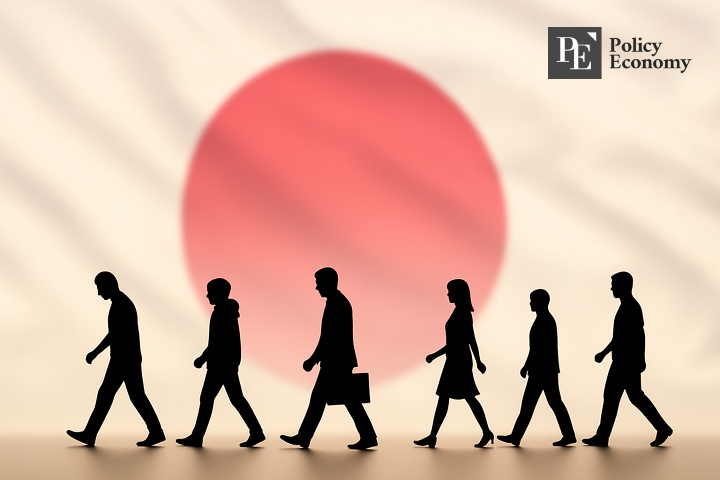
Japan’s accelerating push to tighten foreigner-related regulations is stoking tension across society. Led by Prime Minister Sanae Takaichi, the government is vowing to review immigration, real estate, and labor policies under the banner of national security and social order. Yet experts warn that this exclusionary stance risks worsening labor shortages and domestic demand weakness—evidence, they say, that Japan is losing its balance between growth and security.
Security and Cultural Preservation Return as Policy Themes
Prime Minister Takaichi told cabinet officials the previous day that “some illegal acts by foreign nationals are creating anxiety and a sense of unfairness among Japanese citizens,” signaling a departure from previous administrations’ relatively open stance. She ordered ministries to “implement feasible measures sequentially and actively address any institutional gaps,” directing that a basic policy be finalized by January. Her emphasis on both “speedy review” and “step-by-step enforcement” suggests a full-fledged, prime minister–led restructuring of Japan’s approach to immigration management rather than mere ministerial adjustments.
The initiative includes organizational and procedural reform. Specifically, Tokyo plans to establish an inter-ministerial “Council on the Acceptance of Foreign Nationals and Realization of a Harmonious Coexistence Society.” The council will comprehensively review issues such as illegal overstays, compliance with social insurance obligations, and residency screening, with legal amendments considered where necessary. While Takaichi insisted she would “draw a clear line against xenophobia,” she also vowed to “respond firmly to acts that violate rules and laws,” underscoring a hardline posture. The plan targets not only immigration procedures but also everyday administrative blind spots, such as driver’s license conversions for foreign residents.
Political dynamics are shifting as well. The ruling Liberal Democratic Party (LDP) and its coalition partner, Nippon Ishin no Kai, have agreed to formulate a “population strategy” next year that includes numerical targets for foreign labor acceptance. The Nikkei characterized the move as “an attempt to respond swiftly to public sentiment over foreign residents’ rule violations and consolidate political support,” noting that the policy scope now spans immigration management, labor markets, and community order—making inter-ministerial coordination and on-the-ground enforcement crucial determinants of its outcome.
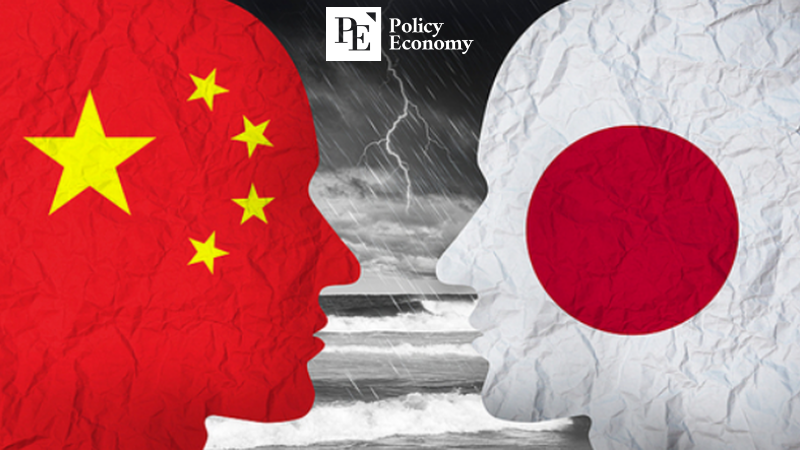
Real Estate Purchases by Foreign Capital Framed as “Economic Infiltration”
Behind the rising skepticism toward foreigners lies deeply rooted anti-China sentiment. The inclusion of real estate regulations in the new agenda reflects this undercurrent. Chief Cabinet Secretary Minoru Kihara, who oversees the council, said Tokyo would “closely review rules governing land acquisitions by foreign nationals,” a remark widely seen as aimed at Chinese investors, long regarded as dominant players in Japan’s property market. The measure follows criticism that Chinese capital has poured into high-end properties in major city centers, distorting prices and fueling local unease.
In one example, about 15–20 percent of apartments in Tokyo’s Harumi Flag complex—a redeveloped Olympic Village site—are reportedly owned by Chinese buyers. Originally sold at prices roughly 30 percent below nearby properties, units have more than doubled amid foreign capital inflows, drawing public attention. The surge also triggered speculative resales, vacancy spikes, and illegal short-term rentals. Some residents complained about public safety, while community boards posted signs reading “No Chinese Airbnb rentals.” Chinese residents countered that such reactions reflected excessive prejudice, but public criticism has not subsided.
Before taking office, Takaichi herself warned that “Chinese individuals and corporations in Japan could be potential spies,” citing China’s National Intelligence Law and National Defense Mobilization Law, which require information cooperation even in peacetime. She voiced concern that Chinese-owned assets in Japan could serve as military or intelligence bases in a crisis. Analysts say this exemplifies how everyday cultural friction is escalating into a national security issue. Local media coverage has amplified the notion that Chinese economic presence equates to latent security risk, further entrenching public suspicion.
An Exclusive Japan and Its Labor Market Paradox
Experts highlight Japan’s growing dependence on foreign labor and caution that a hardline policy could backfire through higher costs and slower growth. According to the Immigration Services Agency, 3.769 million foreign nationals were residing in Japan as of late 2024—a record high. Most hold work-related visas under technical training, study, or specified-skills categories, sustaining key sectors such as manufacturing, caregiving, and services. A more exclusionary stance, analysts warn, would drive up recruitment costs and turnover rates, creating a vicious cycle.
Controversial remarks from politicians have also drawn criticism for damaging Japan’s tourism and employment reputation. During her campaign, Takaichi repeatedly claimed that “foreigners kick the deer in national parks,” though local authorities later said patrols found no evidence. She also alleged that “foreign crimes go unprosecuted due to a lack of interpreters,” but prosecutors and interpreters’ associations countered that of roughly 12,000 foreign residents apprehended last year, over 14,000 interpreters were active nationwide. While Takaichi later conceded her earlier comments lacked sufficient basis, she issued no formal apology.
Exclusionary sentiment in the public sector is emerging as another source of policy inefficiency. The Japan International Cooperation Agency (JICA), for instance, was forced to cancel a hometown exchange project with African partners after a flood of local protests based on false claims that the initiative would trigger “mass immigration.” It was an unprecedented case of government policy derailed by misinformation, underscoring how the foreigner issue is spilling over into local politics and daily life.
Ultimately, the central challenge for Japan’s immigration policy lies in achieving “a design that balances order and openness.” The government must enforce discipline without jeopardizing the inflow of foreign labor and tourists that sustain many industries. Awareness of this reality is slowly growing even within Japan. Kyodo News recently warned that “the longer Japan hesitates to accept foreigners despite needing them, the more it will pay through higher labor costs and slower growth.” In this light, Japan’s foreigner policy is emerging not merely as a security issue—but as a decisive test of its long-term growth strategy.
Stefan Schneider brings a dynamic energy to The Economy’s tech desk. With a background in data science, he covers AI, blockchain, and emerging technologies with a skeptical yet open mind. His investigative pieces expose the reality behind tech hype, making him a must-read for business leaders navigating the digital landscape.
Similar Post