“Tourism Becomes a Fiscal Stream,” U.S. and Japan Push Higher Levies on Foreign Visitors

Authored On
Modified
Expansion of Restrictions on Inbound Travelers to Japan
Tourist Surge Fuels Parallel Surge in Tax Revenues
U.S. Triples Fees for Foreign Visitors

One month into the inauguration of Sanae Takaichi’s administration, Japan has unleashed a wave of new regulations targeting inbound travelers. As part of its overtourism response, the government is raising an array of charges—from accommodation taxes to departure levies and visa issuance fees. Tokyo aims to convert the rising tax burden borne by foreign visitors into a stable revenue source.
Japan to Raise Departure Tax from USD 6.7 to USD 20
According to the Mainichi Shimbun on the 28th, the Japanese government is reviewing an increase in its international departure tax, commonly referred to as the “tourism exit levy.” The tax—imposed on all travelers leaving Japan, regardless of nationality—is expected to be raised from the current USD 6.7 to more than USD 20 to finance measures addressing tourism-related congestion. Prior to her election, Prime Minister Takaichi stated during the LDP leadership debate in September that she intended “to raise the departure tax to USD 20 and allocate the proceeds to essential policy programs.”
Because the tax also applies to Japanese nationals, a higher levy could reduce outbound travel by citizens. To offset the burden, the government is examining a plan to use part of the additional revenue to significantly lower passport issuance fees for Japanese travelers. The current fee for a 10-year passport is USD 106 when applied for online, of which USD 67 is allocated to overseas protection services. A government official noted that the additional departure-tax revenue could allow issuance fees to be reduced by up to USD 67.
Tokyo is also weighing an increase in the accommodation tax. According to the Nikkei, the Tokyo Metropolitan Government intends to replace the current nightly levy—USD 0.67 to USD 1.34 depending on room rate—with a uniform 3% charge on the total accommodation cost. Under the existing system, hotels priced between USD 67 and USD 100 incur a USD 0.67 tax, while those above USD 100 face a USD 1.34 charge. Under the new structure, a USD 100 nightly rate would see the tax rise to USD 3. The metropolitan government plans to submit an ordinance revision to the assembly around February next year, with the increase taking effect as early as April 2027.
Visa Fees to Rise Next Year
Japan also plans steep increases to fees required for long-term residents seeking changes to their residence status or renewing their stay period. The fee—currently USD 40—is expected to rise to between USD 200 and USD 267. The government is additionally considering mechanisms to enable central and local governments to share information on unpaid taxes and social insurance premiums by foreign nationals, thereby tightening screening for residency permits.
Visa issuance fees for foreign tourists and short-term visitors will also rise. Japan aims to implement its Japan Electronic System for Travel Authorization (JESTA) by 2028, modeled after the U.S. Electronic System for Travel Authorization (ESTA) introduced in 2009 for citizens of Visa Waiver Program (VWP) countries.
Under the U.S. ESTA system, eligible travelers submit personal data, travel purposes, and criminal history online before entry, with automated screening enabling stays of up to 90 days for tourism or business without a visa. The application fee—which had been USD 21—was raised to USD 40 on the 30th of last month. Japan intends to benchmark this level when finalizing its own JESTA pricing. If the fee increase is adopted, it would mark Japan’s first visa-fee hike since 1978. The government estimates that higher visa charges could generate up to USD 2.0 billion in new revenue.
U.S. Raises National Park Entry Fees by up to Threefold
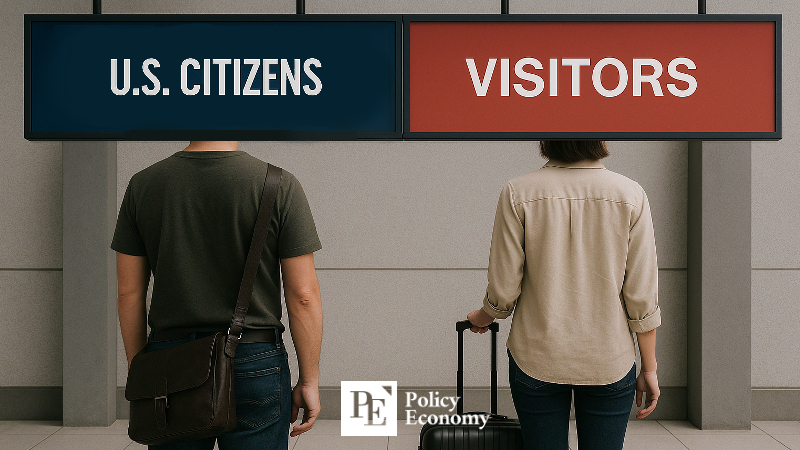
The United States is also leveraging its tourism industry as a revenue source, most notably through sharply higher entry fees for foreign visitors at national parks. In a new pricing policy announced on the 25th (local time), the U.S. Department of the Interior stated that annual national-park passes for foreign nationals would rise from USD 80 to USD 250, while fees for U.S. citizens and permanent residents remain unchanged.
Foreign visitors who do not purchase annual passes will incur an additional USD 100 per person at 11 major national parks, on top of existing entry fees. The affected parks include Acadia, Bryce Canyon, Everglades, Glacier, Grand Canyon, Grand Teton, Rocky Mountain, Sequoia–Kings Canyon, Yellowstone, and Yosemite.
The impact will be especially pronounced at the Grand Canyon, one of the most visited destinations among foreign tourists. Vehicle entry currently costs USD 35, but with the new surcharge, a family of four without an annual pass will pay a total of USD 435. “American taxpayers already shoulder the financial burden of maintaining the national park system,” the Department of the Interior said, explaining that foreign visitors should more substantially contribute to park preservation and operations.
Some observers argue that the differential fee structure reflects budget cuts pursued by the Trump administration. The administration has proposed reducing the National Park Service budget for fiscal year 2026 by more than USD 1 billion—a cut exceeding one-third from the previous year. With budget reductions and higher entry fees occurring simultaneously, foreign visitors are effectively being asked to fill the financial gap in maintaining the park system.
Similar Post