Kering Launches Sweeping Overhaul Amid Gucci Slump, Luxury Demand Faces Prolonged Contraction on Generational Shift and China Downturn

Anne-Marie Nicholson is a fearless reporter covering international markets and global economic shifts. With a background in international relations, she provides a nuanced perspective on trade policies, foreign investments, and macroeconomic developments. Quick-witted and always on the move, she delivers hard-hitting stories that connect the dots in an ever-changing global economy.
Authored On
Modified
Kering Grapples With Gucci Weakness, Moves to Divest Assets and Restructure Operations
Major Luxury Houses Post Parallel Earnings Declines, Global Industry Growth Momentum Stalls
Unprecedented Demand Retrenchment Driven by Gen MZ Pullback and China Property Slump
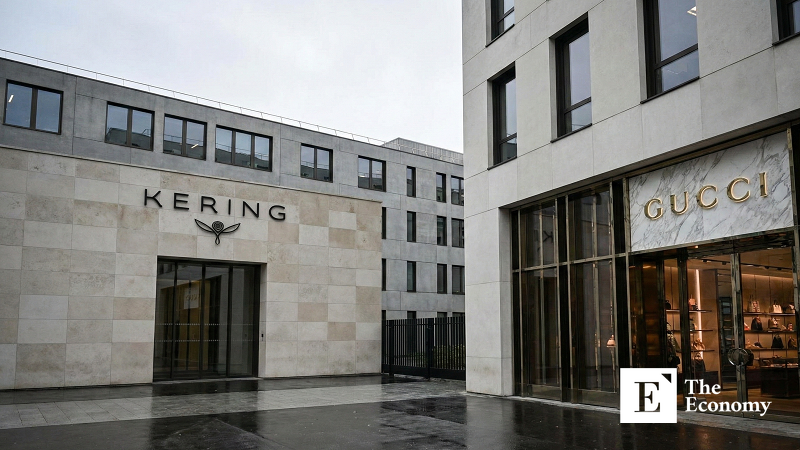
The pillar of demand that has long underpinned the global luxury market is faltering. As French luxury conglomerate Kering confronts financial strain triggered by the prolonged underperformance of its flagship brand Gucci, the group has embarked on asset disposals and sweeping organizational reform. Industry leader LVMH and peers including Hermès have likewise suffered earnings deterioration and sharp equity declines. A confluence of shifting values among Gen MZ consumers—born between the 1980s and 2000s—who prioritize experiences over ownership, and eroding purchasing power amid China’s property downturn, has pushed the luxury industry into a protracted phase of contraction distinct from past cyclical slowdowns.
Gucci Profitability Erosion and Debt Overhang Drive Kering Asset Sales
According to Reuters on the 11th (local time), Kering recently resolved to divest assets to counter mounting financial pressure following Gucci’s tenth consecutive quarter of declining sales. In the first half of last year, Gucci revenue plunged 26.0% year on year to $3.3 billion, dragging down group performance. With more than half of total revenue and roughly 65% of operating income derived from Gucci, Kering’s heavy reliance on its core brand has translated into acute vulnerability as brand weakness feeds directly into group-level financial stress.
The strain is evident across Kering’s financial metrics. Fourth-quarter revenue declined 3% year on year, while full-year revenue contracted 10%. First-half net income fell 46% to $522 million, underscoring a sharp deterioration in profitability. Debt pressures have also intensified. Net debt stood at $8.8 billion at year-end, though market estimates place the figure closer to $11.0 billion. Annual revenue of approximately $30.8 billion was overtaken by Japan’s Fast Retailing at roughly $35.2 billion, heightening concerns over eroding market clout. Reflecting these anxieties, Kering shares have declined 14% year to date, retreating about 17% from last month’s peak to around $588.
Luca de Meo, who assumed the role of Chief Executive Officer in September last year, has applied a restructuring playbook honed during his tenure at Renault to fortify the group’s financial architecture. De Meo finalized an agreement to sell Kering’s beauty division to L’Oréal for $4.4 billion. Through the transaction, L’Oréal will acquire the fragrance house Creed and secure a 50-year exclusive license to develop beauty products for Bottega Veneta and Balenciaga. Market analysts note that Gucci’s operating margin has compressed from the 40% range to the mid-20% range, suggesting that most proceeds from the divestiture will be directed toward short-term debt reduction and credit rating stabilization.
Kering has also shuttered 75 underperforming stores globally, including outlets in lower-tier Chinese cities, reduced headcount across brands such as Alexander McQueen, and appointed group deputy CEO Francesca Bellettini as Gucci’s new chief executive. In a statement, De Meo pledged to build a streamlined and clearly defined organizational structure to steer Gucci toward renewed growth.
Earnings Shock at LVMH and Hermès Signals Broader Luxury Slowdown
Kering’s aggressive retrenchment underscores the breadth of pressure across the sector. LVMH, the world’s largest luxury conglomerate, reported a 9% year-on-year decline in second-quarter revenue within its fashion and leather goods division last year, delivering a pronounced earnings miss. Investor sentiment deteriorated accordingly, with LVMH shares tumbling to $530—roughly half their July peak—after reaching record highs in 2023. Market capitalization, which once stood at $499 billion and ranked first in Europe, has contracted to approximately $253 billion, pushing the group down to 37th in global market cap rankings. Bloomberg characterized the downturn as the worst in the company’s 36-year operating history.
Other brands have encountered comparable headwinds. Chanel reported annual revenue of $18.7 billion last year, down 4% year on year, while operating profit declined 30% to $4.5 billion. Privately held Rolex posted estimated revenue of $11.6 billion, according to a report by Morgan Stanley in collaboration with U.S. asset manager LuxeConsult. Revenue growth slowed from 11% in 2023 to 5% in 2024.
Hermès, long regarded as the apex of luxury, has not been immune. After lifting product prices by an average of 6–7%, Hermès shares surged past $3,080 last February before reversing course and sliding to the $2,310 range within two months. Although the stock has since recovered modestly to around $2,640, market capitalization remains approximately 20% below its peak at $264 billion. Global investment banks including UBS have observed that investors who once anticipated a cyclical rebound are increasingly questioning the industry’s underlying growth trajectory.

From Ownership to Experience: Value Shift Among Gen MZ Consumers
Industry observers cite the retrenchment and evolving consumption patterns of Gen MZ as a central driver of the downturn. Accounting for roughly 10% of the luxury market, this cohort reduced luxury spending by about 7% last year, equivalent to approximately $5.9 billion. The pullback follows heightened scrutiny on social media over labor practices and opaque pricing structures within the luxury industry, fueling skepticism toward traditional consumption norms. Italian court investigations last year revealed that a Dior handbag retailing for $2,860 carried a production cost of just $58, amplifying criticism over the disparity between perceived brand value and actual cost structures. Social media engagement with luxury brands has trended downward, and red carpets have increasingly featured vintage garments in place of new-season designs.
Spending priorities have shifted from ownership of high-priced goods toward experiential categories such as travel, gastronomy, and wellness. The Wall Street Journal attributes the shift to inflation-driven purchasing power erosion combined with the values of Generation Alpha and younger cohorts who emphasize personal preference and authenticity. Logo-centric products no longer serve as definitive status symbols. Consumers fatigued by recurrent price increases display a preference for understated “quiet luxury” or seek lower-cost alternatives known as “dupes.”
Forbes has assessed that younger generations are reshaping market dynamics by curbing discretionary purchases and privileging authenticity. Bain & Company warned that the luxury sector faces its most formidable setback in recent memory, urging brands to redefine their identity as younger consumers reassess their relationship with luxury. Vogue Business similarly noted a steady decline in the likelihood that younger consumers will purchase luxury goods at full price.
China Shock Deepens Luxury Industry Strain Amid Property Bust
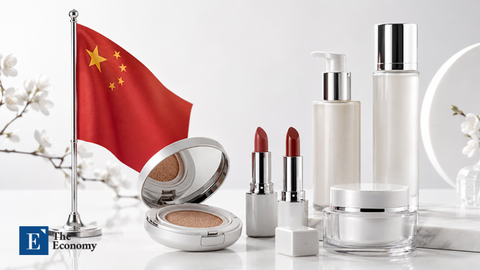
Generational transformation has coincided with a pronounced slowdown in China, the linchpin of global luxury demand. China’s luxury market reached approximately $142 billion in 2023, accounting for an estimated 30–40% of global consumption. Major brands including Dior and Balenciaga have historically responded with heightened sensitivity to domestic Chinese sentiment.
Market dynamics shifted sharply in 2024. Bain & Company reported that prolonged economic weakness curtailed middle-class spending, resulting in an 18–20% year-on-year decline in China revenue. The Wall Street Journal noted that Chinese consumers, confronted with declining asset values, have adopted a more cautious stance and are increasingly questioning the pricing frameworks of luxury houses.
At the core of the demand contraction lies the property sector, which represents roughly 25% of China’s gross domestic product. Bloomberg Economics estimates that every 5% decline in home prices erases approximately $2.7 trillion in household wealth.
China’s real estate downturn began with the 2021 default of Evergrande, triggering a prolonged unwinding of excesses. According to data released last June by the National Bureau of Statistics, new home prices across 70 major cities have declined for more than two years, intensifying a negative wealth effect that suppresses consumption. Gucci, heavily exposed to the Chinese market, has borne the brunt of the slowdown, while LVMH and Moncler have likewise reported weakened performance. Distress is evident in the resale market, where listings of secondhand luxury goods have surged more than 30% year on year as sellers seek liquidity, even as buyer demand remains stagnant, exacerbating supply-demand imbalances.
Confronted with weakening Chinese demand, luxury houses are exploring renewed engagement with Russia, a market they exited following the 2022 outbreak of war in Ukraine. Companies including Louis Vuitton, Chanel, and Rolex have reportedly applied for or completed trademark registrations with Russian authorities in preparation for a potential business resumption. The pivot underscores the urgency of offsetting Chinese revenue shortfalls. Market participants caution, however, that Russia accounted for only 2–3% of global luxury sales in 2021 and that logistical constraints persist, limiting its capacity to compensate for China’s contraction. Bain & Company projects that without a recovery in Chinese demand, a near-term rebound in the global luxury sector remains unlikely.
Anne-Marie Nicholson is a fearless reporter covering international markets and global economic shifts. With a background in international relations, she provides a nuanced perspective on trade policies, foreign investments, and macroeconomic developments. Quick-witted and always on the move, she delivers hard-hitting stories that connect the dots in an ever-changing global economy.
Similar Post