“No Confirmation Until the Investigation Ends”: Powell Probe Dispute Blocks Warsh’s Path to the Fed

Authored On
Modified
Concerns raised over central bank independence and procedural integrity
Issue expanding across Washington with Democrats joining the debate
Hawkish policy reputation and “Trump pick” controversy emerge simultaneously
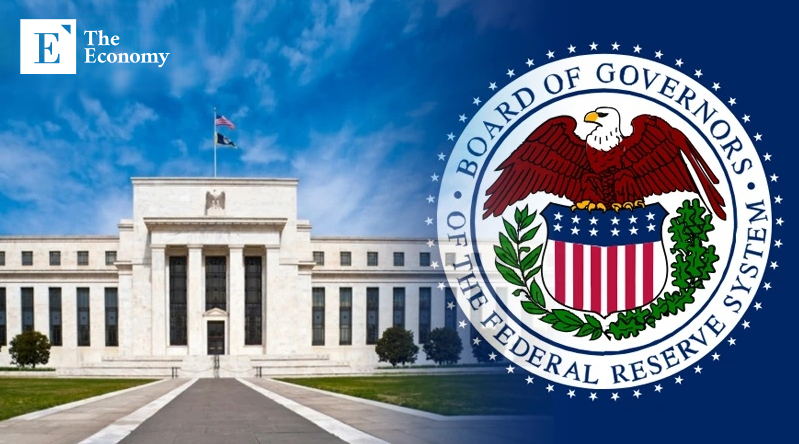
The confirmation process for Kevin Warsh, nominated as the next chair of the U.S. Federal Reserve (Fed), has stalled amid political controversy surrounding the investigation into current Chair Jerome Powell. Several Republican senators have stated they will oppose all confirmations until the investigation concludes, triggering a widening debate over the independence of the central bank. As Democrats also move to slow the confirmation process, tensions across Washington’s political establishment appear to be intensifying. Financial markets are closely watching whether Warsh can navigate the political controversy and present an independent direction for monetary policy.
Concerns Over Pressure on the Central Bank
According to CNBC on March 10, Republican Senator Thom Tillis of North Carolina told reporters at the Capitol that he intends to block the confirmation of Kevin Warsh as Fed chair. Tillis said that “nothing Warsh says will change my position,” adding that he will oppose any confirmation until the investigation into current Fed Chair Jerome Powell is concluded. He emphasized that the matter is not about a specific individual but about the process itself, saying that the fundamental principle of central bank independence is at stake.
Powell, who has clashed with President Donald Trump for an extended period over interest rate policy since Trump took office, received a subpoena from the U.S. Department of Justice in January in connection with testimony he delivered to Congress in June last year regarding renovations at the Federal Reserve headquarters. Federal prosecutors in Washington, D.C., subsequently launched an investigation into Powell. Powell has denied all allegations and has maintained that the investigation is political pressure resulting from his refusal to comply with Trump’s demands for interest rate cuts. The Federal Reserve is also reportedly considering legal action in response to the Justice Department investigation.
Senator Tillis has repeatedly stated since the subpoena was issued that he will not cooperate with any confirmation process involving Federal Reserve personnel. He warned that if markets come to believe the Fed chair is “a position that moves according to the president’s wishes,” the consequences could be unpredictable, raising the issue of central bank independence publicly. Tillis described the investigation into Powell as “a farce originating from a judicial decision to launch a baseless investigation,” adding that new confirmations could proceed only after investigative authorities acknowledge the mistake and withdraw.
At the same time, he expressed a favorable view of Warsh’s qualifications. “I’ve watched his work for a long time and have been deeply impressed,” Tillis said. He also noted that the Senate Banking Committee had directly heard Powell’s testimony regarding the renovation project at the Fed’s Washington headquarters, adding that although seven senators from the committee attended the session, they concluded that no crime had occurred. Tillis said it is difficult to understand why the same debate continues while the confirmation of a capable candidate is delayed.
Fed Confirmation Emerges as Political Flashpoint
The controversy is spreading across the broader U.S. political landscape. Senate Banking Committee Chairman Tim Scott said in an interview with a media outlet earlier last month that he does not believe Powell committed a crime and warned that expanding the dispute over the Fed building renovation into a criminal matter is dangerous. Scott had personally questioned Powell during the earlier hearing. He acknowledged that Powell could be criticized for shortcomings in performing his duties but argued that such shortcomings should not be treated as criminal conduct, publicly pushing back against political attacks portraying Powell as a criminal.
Around the same time, Democratic lawmakers also mobilized collectively. Eleven Democratic members of the Senate Banking Committee sent a letter to Chairman Scott urging that the confirmation process for Warsh should not proceed until what they described as baseless criminal investigations into Powell and other Fed governors are concluded. They warned that attempts by the administration to take control of the Federal Reserve through criminal prosecution are dangerous and unprecedented, arguing that appointing a new Fed chair while the Justice Department is investigating two sitting Fed officials could undermine trust in both democracy and financial markets. In addition to Powell, the Justice Department is also investigating Fed Governor Lisa Cook over allegations related to mortgage fraud.
Earlier in January, concerns were also raised publicly by figures from academia and policy circles. Thirteen economists and former policymakers, including former Fed chairs Ben Bernanke, Alan Greenspan, and Janet Yellen, issued a joint statement warning that a potential criminal prosecution of Powell by the Justice Department could undermine the independence of the central bank. The statement emphasized that the independence of the Federal Reserve, and public confidence in that independence, is critical for achieving congressional goals of stable prices, maximum employment, and moderate long-term interest rates. The signatories included former White House Council of Economic Advisers chairs Jared Bernstein, Jason Furman, Glenn Hubbard, Gregory Mankiw, and Christina Romer, as well as former Treasury secretaries Timothy Geithner, Jacob Lew, Henry Paulson, and Robert Rubin, and Harvard professor Kenneth Rogoff.
Within the administration itself, concerns have reportedly emerged over the consequences of the investigation into Powell. Online outlet Axios reported that Treasury Secretary Scott Bessent warned President Trump that the investigation into Powell could create chaos and negatively affect financial markets. Unexpected political outcomes are also possible. Powell’s term as Fed chair ends in May this year, but his term as a member of the Board of Governors runs until 2028. This means Powell could remain on the board even after stepping down as chair. In that scenario, Trump’s effort to reshape the Fed board with officials more favorable to interest rate cuts could face complications.
Securing Credibility of Policy Independence
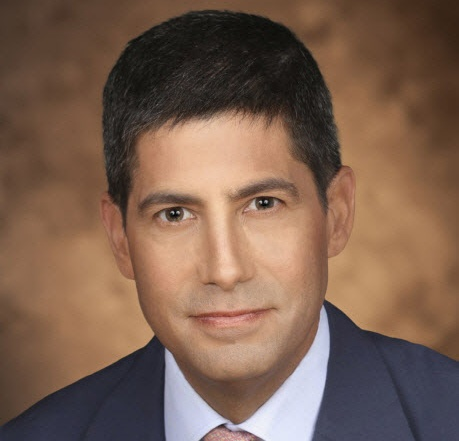
Markets are focusing on how effectively Warsh can defuse the controversy. Warsh previously served as a member of the Federal Reserve Board from 2006 to 2011 and passed Senate confirmation without difficulty. The circumstances surrounding his nomination now are markedly different. The confirmation process itself has become entangled in a political and legal dispute tied to the investigation of Powell. Senator Elizabeth Warren, the ranking Democrat on the Senate Banking Committee, said Warsh appears to have passed what she called Trump’s loyalty test and argued that the nomination represents a continuation of attempts by the Trump administration to pressure Federal Reserve officials using the Justice Department.
Despite these criticisms, Republican leadership and figures on the House Financial Services Committee have largely defended Warsh. House Financial Services Committee Chairman French Hill described Warsh as someone with a clear understanding of the Federal Reserve’s responsibilities. Senator Scott, who previously expressed skepticism about the investigation into Powell, also said that Warsh possesses broad and deep knowledge of monetary policy and financial markets, adding that he intends to lead a careful and timely confirmation process focused on the Fed’s core mission.
Warsh’s personal policy stance is also drawing close scrutiny from markets. The Wall Street Journal described his nomination as potentially the most consequential leadership change at the Federal Reserve since Paul Volcker became Fed chair in 1979. The newspaper noted that since Alan Greenspan succeeded Volcker in 1987, every Fed chair has emphasized continuity with their predecessor, whereas Warsh appears to promise a clear break. According to the report, Warsh has stressed his intention to comprehensively reassess the Fed’s balance sheet structure, policy framework, and relationship with the executive branch.
Attention is also turning to the future direction of interest rate policy. On the 30th of last month, President Trump responded “no” when reporters asked whether Warsh had promised to pursue rate cuts, but added that Warsh clearly wants lower interest rates. Warsh’s past record, however, suggests a somewhat different stance. During the 2008 financial crisis, when he served as a Fed governor, Warsh expressed concern about aggressive rate cuts and argued that policymakers should resist immediate demands for the “hammer” of rate cuts even if the economy weakened somewhat. In 2010, when then–Fed Chair Ben Bernanke decided to implement a second round of quantitative easing, Warsh cast the only dissenting vote on the board, citing concerns about inflation.
Similar Post