Samsung Electronics Memory Strategy: “Annual Contracts Are Obsolete” as Pricing, Contracts, and Supply All Shift

Authored On
Modified
Shipment strategy changes, including internal supply adjustments
Contract structures reshaped amid short-term price volatility
CXMT IPO delay, weakening outlook for supply expansion
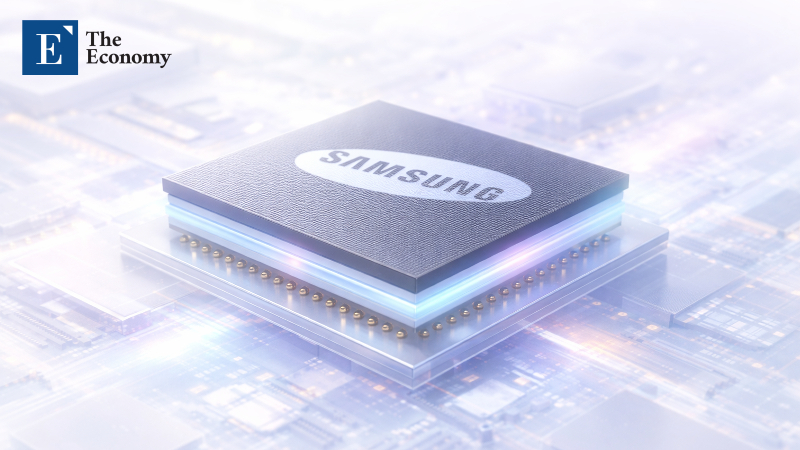
Samsung Electronics is rapidly reshaping overall market pricing trends by consecutively raising commodity DRAM prices. As major manufacturers concentrate production capacity on high-performance memory, supply of commodity DRAM is declining, further driving price increases. Price hikes are emerging in conjunction with supply strategies, altering market transaction benchmarks. Contract structures that once centered on mid- to long-term agreements are shortening, while even the China factor—once expected to curb price increases—is showing signs of instability, creating an environment where short-term supply-demand rebalancing remains difficult.
Maximizing profitability through supply control
According to technology outlet DigiTimes, Samsung Electronics raised DRAM prices in the second quarter by approximately 30% compared with the first quarter. This represents an average increase across commodity DRAM for servers, PCs, and mobile devices, following a 100% rise in average DRAM prices in the first quarter. If DRAM prices stood at $6.67 last year, they reached $13.33 in the first quarter and are being supplied at $17.33 in the second quarter this year. The industry attributes the increase to reduced commodity DRAM output as major memory manufacturers concentrate capacity on high-bandwidth memory (HBM), ultimately leading to sharp price hikes.
Samsung Electronics’ continued price increases are underpinned by a sustained upward trend in DRAM pricing. Data from market research firm TrendForce show that DRAM contract prices rose 90–95% quarter over quarter in the first quarter, with an additional 58–63% increase expected in the second quarter. NAND flash is also projected to rise 55–60% in the first quarter and 70–75% in the second quarter. Samsung Electronics’ earnings estimates have been revised upward accordingly, with analysts projecting first-quarter operating profit to reach as much as $30.0 billion. This represents more than a twofold increase from the previous quarter’s estimate of $13.4 billion.
On the demand side, investment in artificial intelligence (AI) servers is sustaining price increases. Major technology companies are accelerating long-term contracts to secure high-performance DRAM and HBM, with some reportedly exploring five-year purchase agreements. An industry official stated that “as AI server infrastructure expands among big tech companies, demand for high-performance DRAM and HBM remains resilient,” adding that “manufacturers are reallocating capacity toward higher value-added products while reducing the share of commodity production.” With limited supply capacity and concentrated demand, price pressures remain persistent.
The impact of rising prices is extending into consumer markets. Market research firm IDC projects that global smartphone shipments will decline 12.9% and PC shipments 11.3% this year due to higher memory prices. Memory cost increases are expected to pressure both component costs and finished product pricing simultaneously. The industry also anticipates that memory shortages could persist through 2027, with limited prospects for a return to historical price levels even beyond 2028. With supply expansion timelines uncertain and demand remaining intact, a near-term price decline is widely considered unlikely.
Shift to quarterly and monthly contracts
Samsung Electronics is reinforcing a profitability-focused, high-value strategy and is reported to have declined long-term supply requests even for its own Galaxy smartphone series. This is interpreted as an intention to treat memory as a pricing negotiation asset under uniform standards, including internal demand. By reallocating production capacity toward HBM and server-grade DDR5, the company is leveraging constrained supply to strengthen pricing power. This accelerates a shift toward supplier-driven pricing negotiations in the market. SK hynix is also understood to be pursuing price increases at a similar level to Samsung Electronics.
The wave of price increases among leading manufacturers is driving changes in contract structures. As further price increases continue to be anticipated even after gains exceeding 100%, maintaining fixed-price contracts has become increasingly difficult. DRAM supply contracts, traditionally structured on an annual basis, have shortened to quarterly agreements, with monthly price adjustments now emerging. In some cases, pricing mechanisms that reflect spot prices at the time of delivery are also appearing, directly embedding price volatility into contract structures.
These developments indicate a transition from fixed-price to variable-price–centric supply contracts. In a rising price environment, shorter contract durations allow suppliers to immediately incorporate additional price increases. This reflects a broader shift in transaction terms in favor of manufacturers. Pricing strategies among major memory companies are increasingly converging, with Micron also reportedly signing first-quarter supply contracts at more than double the level of the previous fourth quarter.
Sustained environment for upward price pressure
Until recently, market expectations centered on aggressive expansion by Chinese firms as a potential brake on price increases. The view was that increased supply from Chinese producers, particularly in commodity DRAM, would stabilize prices. Indeed, in late March, there were signs of a pause in DRAM price increases. According to U.S. technology outlet WccfTech, Corsair memory product prices declined 22.45%, from $490 to $380.
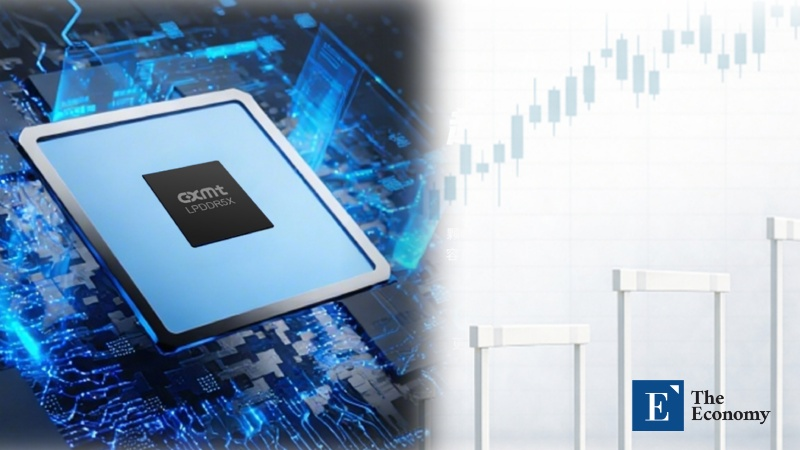
However, the delay in ChangXin Memory Technologies (CXMT)’s initial public offering (IPO) this month has begun to undermine these assumptions. CXMT had planned to raise $4.3 billion through its listing. If realized, its production capacity was expected to expand to approximately 70,000 wafers per month. However, the Shanghai Stock Exchange suspended the IPO review due to the expiration of financial statement validity, delaying both fundraising and capacity expansion timelines. This effectively weakens near-term constraints on price increases.
The delay in CXMT’s IPO also affects competitors’ profitability. Commodity DRAM is highly sensitive to supply changes, making the timing of new supply a critical factor in determining price trends. With additional supply from CXMT pushed further out, companies such as Samsung Electronics and SK hynix gain greater room to sustain elevated pricing conditions. The industry currently estimates DRAM operating margins at around 80% based on contract prices, and profitability could expand further as supply increases are delayed.
However, the China factor has not disappeared in the longer term. CXMT recorded revenue of $7.99 billion last year, growing approximately 130% year over year, and expanded its global DRAM market share to around 5%. If its IPO resumes, expansion plans are likely to proceed. Coupled with continued investment supported by the Chinese government, its growth foundation is strengthening. While delays in supply expansion from China have sustained near-term price increases, future capacity additions could again shift market balance.
Similar Post