

Employee reviews can reveal hidden organizational strength LLMs can measure firm-specific intangible assets at scale CEO changes may weaken these assets before losses become visible In 2022, organizational capital accou
Read More
South Korea bears real costs from US AI export controls The AI memory boom has provided temporary compensation Submarine cooperation adds a major strategic return In 2025, South Korea shipped $130.8 billion worth of goods to Ch
Read More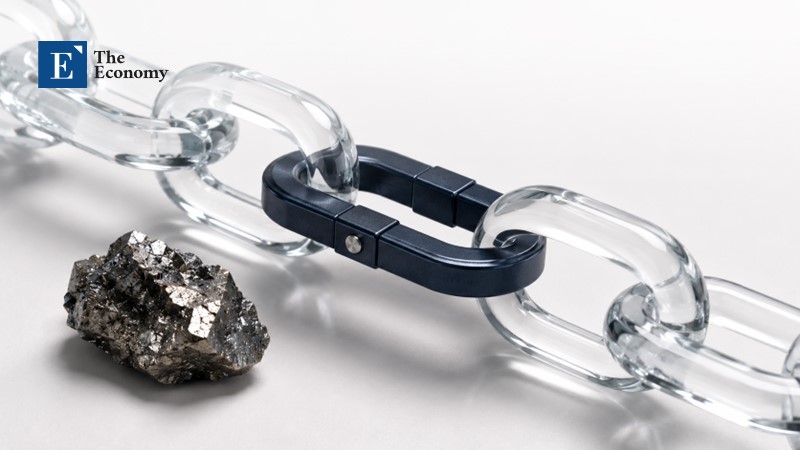
The Economy Research Editorial1,2 1 The Economy Research, 71 Lower Baggot Street, Dublin 2, Co. Dublin, D02 P593, Ireland 2 Swiss Institute of Artificial Intelligence, Chaltenbodenstrasse 26, 8834 Schindellegi, Schwyz, Switzerland
Read More
The Economy Research Editorial1,2 1 The Economy Research, 71 Lower Baggot Street, Dublin 2, Co. Dublin, D02 P593, Ireland 2 Swiss Institute of Artificial Intelligence, Chaltenbodenstrasse 26, 8834 Schindellegi, Schwyz, Switzerland
Read More
The Economy Research Editorial1,2 1 The Economy Research, 71 Lower Baggot Street, Dublin 2, Co. Dublin, D02 P593, Ireland 2 Swiss Institute of Artificial Intelligence, Chaltenbodenstrasse 26, 8834 Schindellegi, Schwyz, Switzerland
Read More






AI can make basic financial guidance cheaper and more personal Its advice often follows life-cycle theory but falls back on rough rules Public standards are needed before guidance becomes automated action
Read More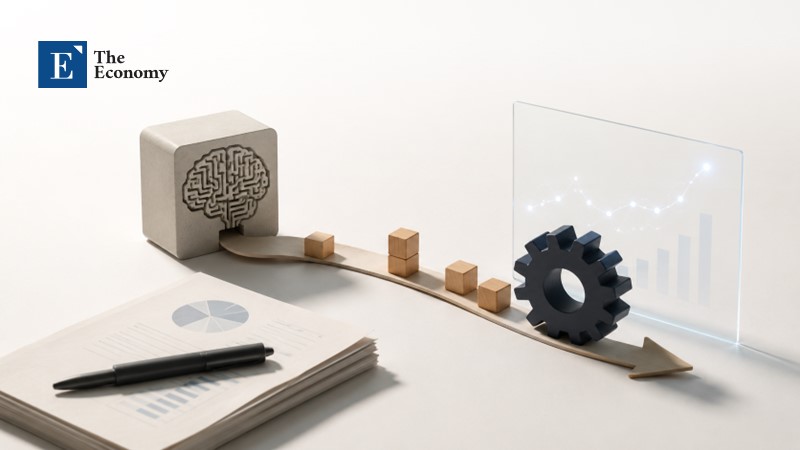
AI productivity gains remain limited and uneven Entry-level hiring may weaken before mass layoffs appear Policy must protect workers as tasks are redistributed The most informative figure in the AI employment debate is not 5
Read More
U.S. withdrawal would not end trade cooperation The Zollverein shows why accession can beat isolation A free-trade coalition needs open rules and domestic support U.S.
Read More
Markets react to what policy surprises reveal, not only to their size Warsh’s quieter Fed should reduce promises without hiding its reasoning Central-bank credibility depends on evidence rather than constant forecasts T
Read More
Japan wage growth marks a clear break from decades of stagnation Large firms can raise pay more easily than smaller businesses Policy must protect workers and viable firms during the transition Japan has been in search of a stab
Read More
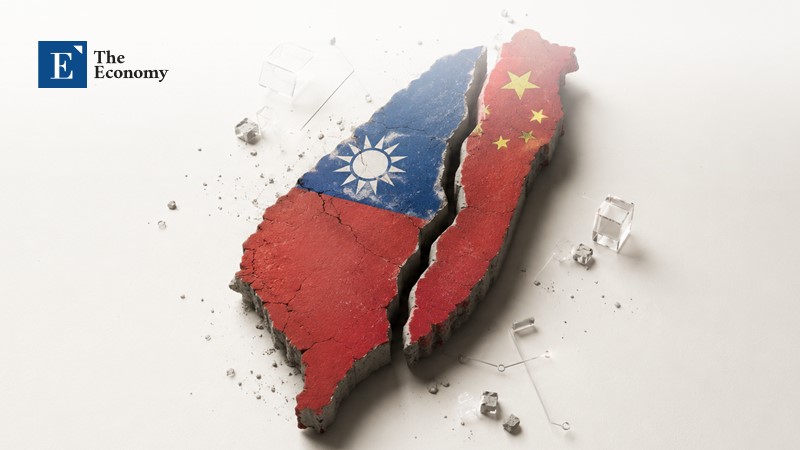
Taiwan’s political division is weakening deterrence Defence spending needs durable cross-party support Clearer US commitments could reinforce domestic consensus That one conclusion should cast doubt on all the rest.
Read More
Occasional office contact can strengthen remote teams No single work model suits every role Hybrid productivity depends on purposeful design During a nine-month experiment with a remote customer-services team in Turkey, <
Read More
AI chip controls can buy time, not permanent dominance Chinese substitution limits their long-term power That time must build U.S. and allied capacity In 2024, U.S.
Read More
US restrictions exposed the fragility of allied AI access Europe needs leverage through capital, chips and compute A formal access compact could balance security with continuity One order from Washington on 12 June 2026 cut all f
Read More
China transshipment now extends beyond tariff avoidance Southeast Asia is both a chip hub and a diversion risk Export controls should track ownership and final use In less than a month in 2025, at least $510m worth of high-end U
Read More

Women’s representation does not automatically reduce corruption Evidence from Brazil and India points instead to experience, incentives and institutional control Political equality and anti-corruption reform should advance together, but through separate policies
Read More
Most attacks were armed robberies; not piracy Japan should back policing; not naval expansion Regional cooperation can protect vital trade routes Authorities reported 80 attacks through the Malacca and Singapore straits in th
Read More
Europe built trade through linked treaties Middle powers can adapt that model Deeper access should depend on verified compliance Almost 900 trade agreements connected the nations of Europe from 1815 to 1919.
Read More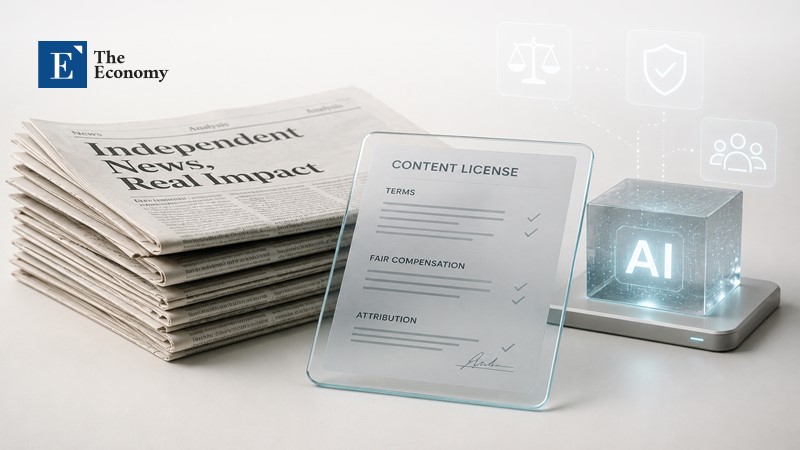
AI answers are weakening the traffic bargain that once supported original reporting Licensing can compensate publishers, but it cannot guarantee reliable AI outputs A fair settlement requires transparency, attribution, collective bargaining and funded verification
Read More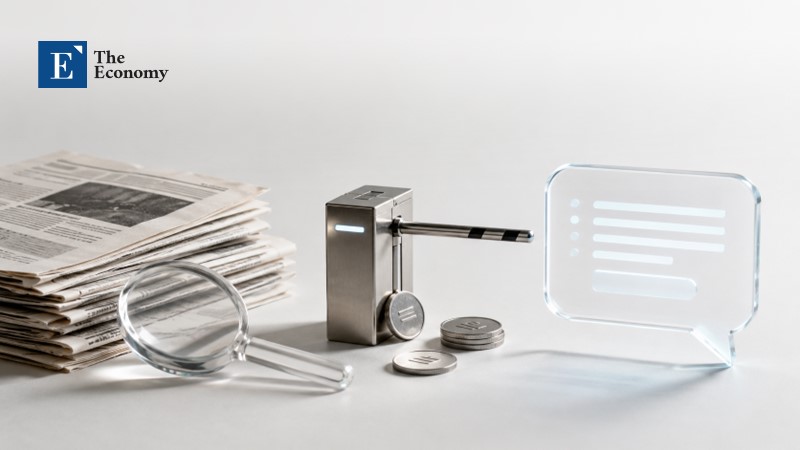
The Economy Research Editorial1,2 1 The Economy Research, 71 Lower Baggot Street, Dublin 2, Co. Dublin, D02 P593, Ireland 2 Swiss Institute of Artificial Intelligence, Chaltenbodenstrasse 26, 8834 Schindellegi, Schwyz, Switzerland
Read More