

Unemployment alone can hide a weak labour market Payrolls, participation and hours reveal the real bottleneck Policy must treat labour supply as a moving target Back in June 2022, the U.S.
Read More
Digital payments replace cash only when they feel easier than cash Poorer users adopt when payments are cheap, simple, and trusted Inclusion depends on open systems, merchant use and fraud protection Cash is not disapp
Read More
Remote work loneliness shows that flexibility has a hidden social cost Small talk is not office noise; it is part of how trust and learning move through work The answer is not office nostalgia, but better social design for hybrid work
Read More
AI exposure follows work and capacity, not party identity The divide is between places that gain from AI and places that absorb its shocks Policy should focus on tasks, infrastructure and local power, not red-blue maps The c
Read More
The Economy Research Editorial1,2 1 The Economy Research, 71 Lower Baggot Street, Dublin 2, Co. Dublin, D02 P593, Ireland 2 Swiss Institute of Artificial Intelligence, Chaltenbodenstrasse 26, 8834 Schindellegi, Schwyz, Switzerland
Read More






Europe has savings, but not enough productive risk capital Fragmented markets keep too much capital in safe, local channels Post-Brexit Europe still lacks a financial centre strong enough to rival New York T
Read More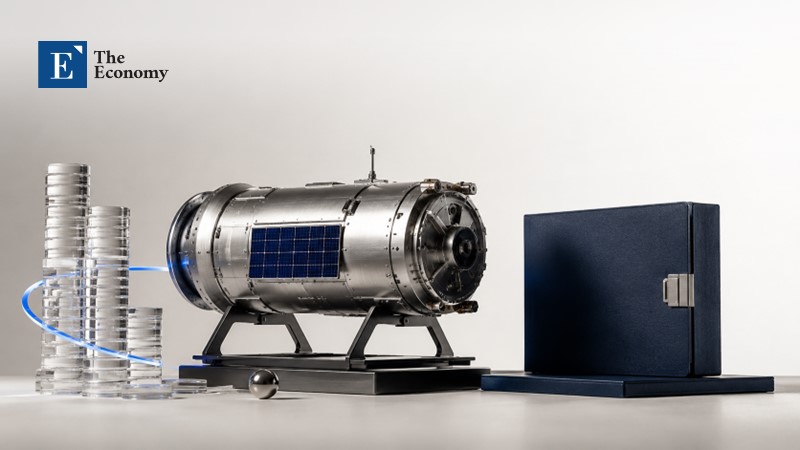
Space became commercial because public authority first made the market credible The US needed less direct funding because deep private capital could finance the risk China shows why state funding matters when pre-IPO markets are thinner
Read More
Inflation expectations can turn an oil shock into lasting inflation Bond prices are useful, but they often mix forecasts with fear Policymakers need a shock filter before markets overreact
Read More
The Economy Research Editorial1,2 1 The Economy Research, 71 Lower Baggot Street, Dublin 2, Co. Dublin, D02 P593, Ireland 2 Swiss Institute of Artificial Intelligence, Chaltenbodenstrasse 26, 8834 Schindellegi, Schwyz, Switzerland
Read More
Immigration inflation was far smaller than the politics around it Poor new arrivals added limited private demand but meaningful labor supply The smarter policy is faster legal work, wage protection, and local fiscal support Th
Read More

WFH jobs reduce the career cost of motherhood Partner flexibility makes the effect stronger Flexible work should be treated as family policy, not a perk A 77 percent offset in the earnings penalty at birth should transform the tone of moth
Read More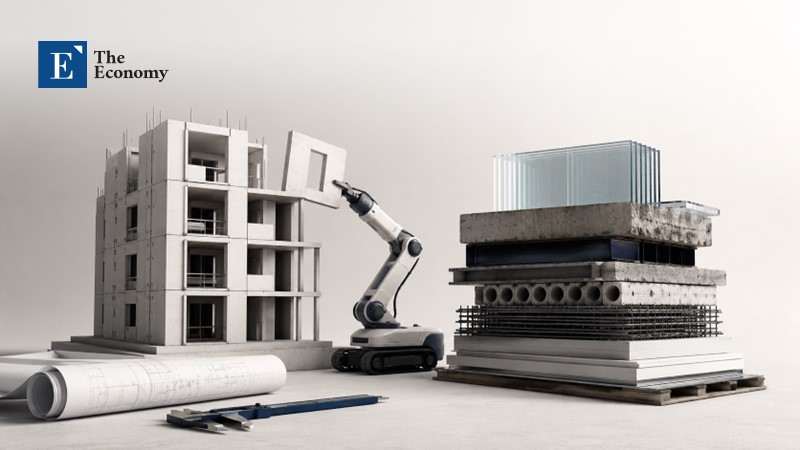
Construction productivity is holding back housing supply Cheaper machines have not offset rising material and labor costs Housing policy must make building faster, cheaper, and more repeatable Construction productivity is the m
Read More
Japan’s US-led security path is politically safe but strategically costly A Taiwan war would turn Japan’s alliance posture into a major economic risk Japan needs deterrence with diplomacy, not automatic escalation A c
Read More
The AI adoption gap is an institutional gap, not just a tool gap The U.S.
Read More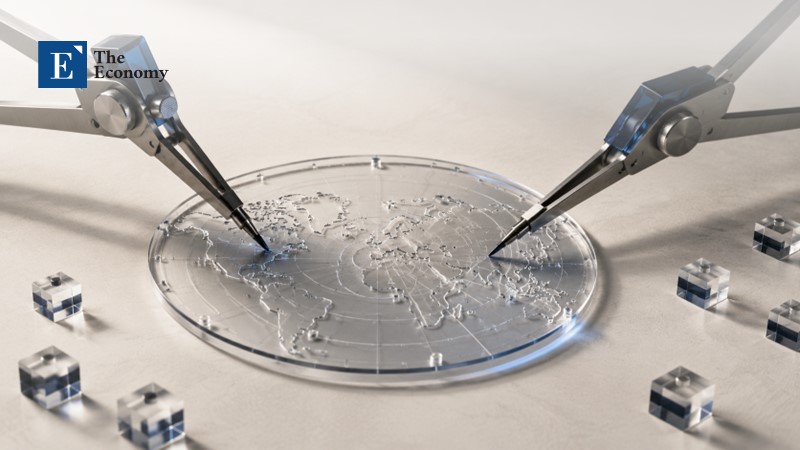
Great powers built the old order, and they are now rewriting it Middle powers can stabilize rules, but they cannot enforce them alone The new global order will be shaped by leverage, not nostalgia Meanwhile, the United St
Read More
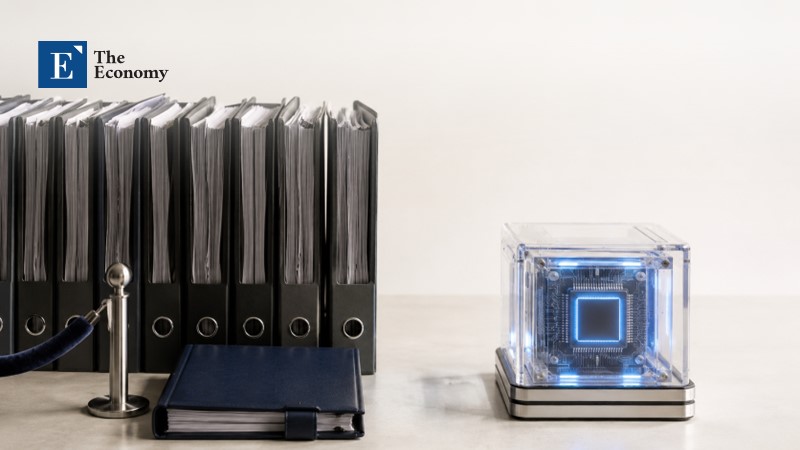
Japan’s AI problem is not access to technology, but weak pressure to adopt it Corporate inertia reduces demand for AI skills across schools and universities Japan and parts of Europe risk missing the productivity gains of AI unless delay becomes costly
Read More
US-Asia trust is weakening AUKUS has exposed a delivery gap Asian powers are building options The most revealing number in Asia this year is not a ship count or a tariff rate, or even a defense budget. It's 51.9 percent.
Read More
AI governance is now a rule-setting contest The U.S.
Read More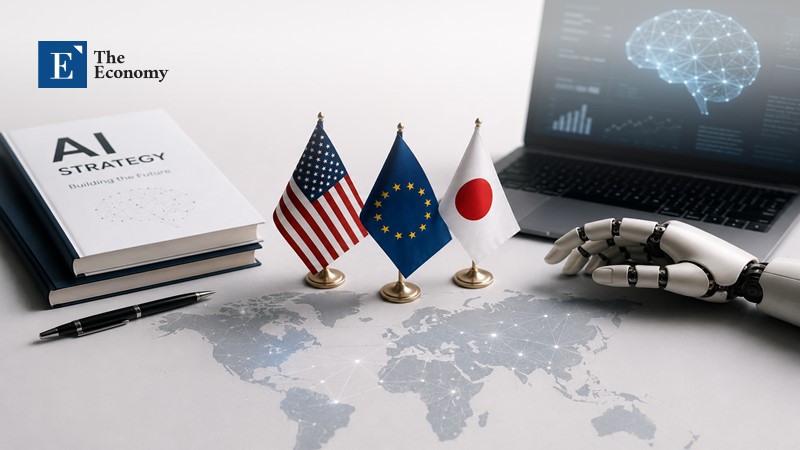
The Economy Research Editorial1,2 1 The Economy Research, 71 Lower Baggot Street, Dublin 2, Co. Dublin, D02 P593, Ireland 2 Swiss Institute of Artificial Intelligence, Chaltenbodenstrasse 26, 8834 Schindellegi, Schwyz, Switzerland
Read More
The Economy Research Editorial1,2 1 The Economy Research, 71 Lower Baggot Street, Dublin 2, Co. Dublin, D02 P593, Ireland 2 Swiss Institute of Artificial Intelligence, Chaltenbodenstrasse 26, 8834 Schindellegi, Schwyz, Switzerland
Read More