
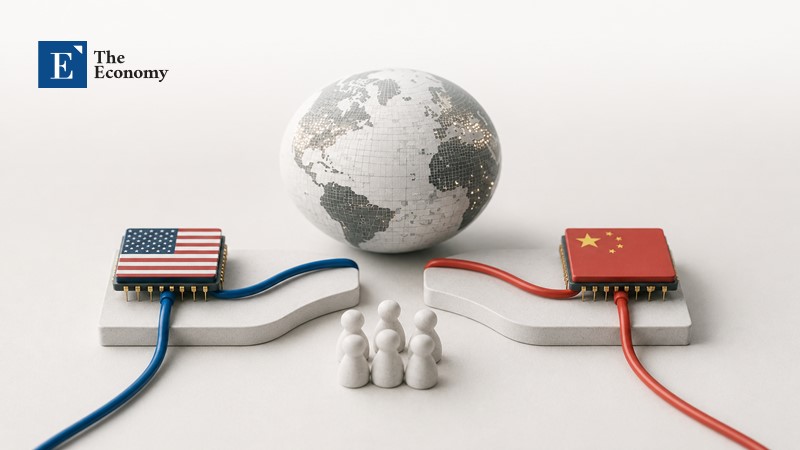
The US–China AI split is becoming structural The Global South must secure access without accepting permanent dependence Cheaper AI matters only when it builds local capacity and bargaining power The global AI divide is ofte
Read More
Trade policy uncertainty deters FDI more than predictable barriers Lower-income and highly integrated economies face the largest losses Stable rules have become essential investment infrastructure An increase in
Read More
China’s clean-energy scale has lowered costs while concentrating industrial power Rare-earth controls show how market dominance can become geopolitical leverage Managed rivalry can preserve low prices without accepting strategic dependence
Read More
US AI leadership depends on retaining global talent China is turning returnees into domestic research strength Singapore is emerging as a third AI talent hub Over a year, the gap in performance on a major language benchmark be
Read More
Tariffs create openings, not automatic winners Europe gains only while it remains outside the tariff wall Productive capacity determines who captures diverted trade The most striking number from the US–China tariff war is not
Read More





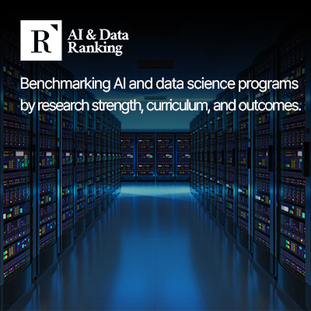

Small tariffs can permanently redirect trade Large retaliation can damage domestic supply chains Europe must protect capacity without protecting failure A tariff imposed in June 2018 slashed the value of target
Read More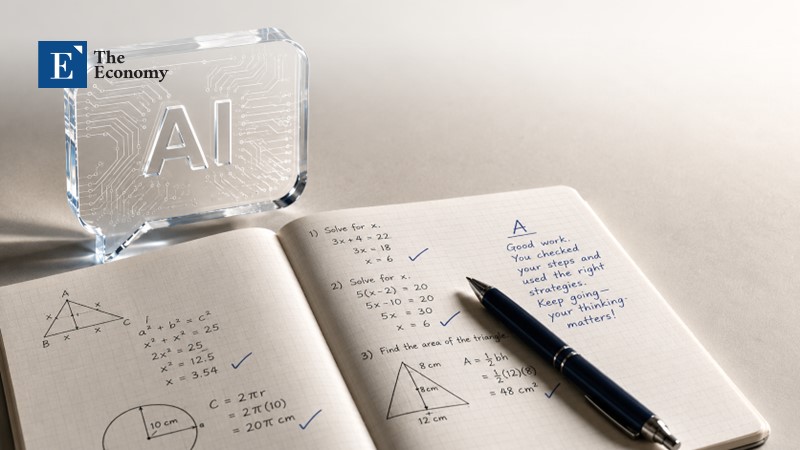
AI access does not guarantee real learning Teacher AI literacy determines whether AI supports or replaces thought Schools need stronger training, clearer rules and better assessment An AI tutor raised high school students’ mat
Read More
Reserve quality matters more than headline size Borrowed reserves can hide future repayment risks Governments should disclose how reserves are financed The household comparison makes the logic airtight.
Read More
AI adoption measures use, but not control. Europe’s deeper weakness lies in foreign-owned compute, cloud and energy infrastructure AI compute sovereignty requires shared capacity, open access and democratic oversight About three-
Read More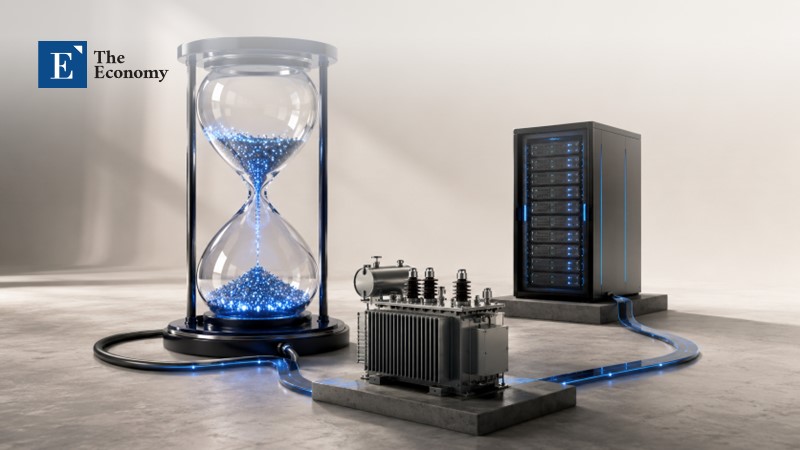
Time-to-power now shapes the economics of AI infrastructure Faster deployment can strengthen innovation but also shift grid costs to the public Governments need coordinated, transparent rules that reward speed without weakening fairness or reliability.
Read More
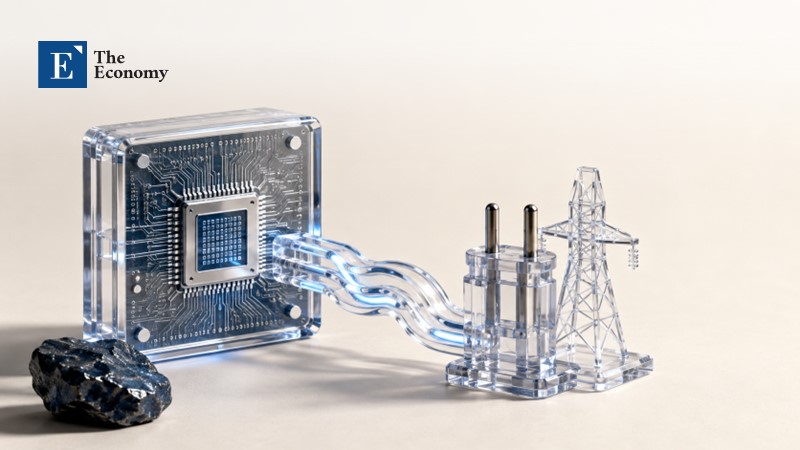
AI leadership depends on power, chips and secure infrastructure A democratic compute coalition could align faster delivery with allied cooperation Success depends on resilience, access and wider business adoption About 415 ter
Read More
The Economy Research Editorial1,2 1 The Economy Research, 71 Lower Baggot Street, Dublin 2, Co. Dublin, D02 P593, Ireland 2 Swiss Institute of Artificial Intelligence, Chaltenbodenstrasse 26, 8834 Schindellegi, Schwyz, Switzerland
Read More
The Economy Research Editorial1,2 1 The Economy Research, 71 Lower Baggot Street, Dublin 2, Co. Dublin, D02 P593, Ireland 2 Swiss Institute of Artificial Intelligence, Chaltenbodenstrasse 26, 8834 Schindellegi, Schwyz, Switzerland
Read More
The Economy Research Editorial1,2 1 The Economy Research, 71 Lower Baggot Street, Dublin 2, Co. Dublin, D02 P593, Ireland 2 Swiss Institute of Artificial Intelligence, Chaltenbodenstrasse 26, 8834 Schindellegi, Schwyz, Switzerland
Read More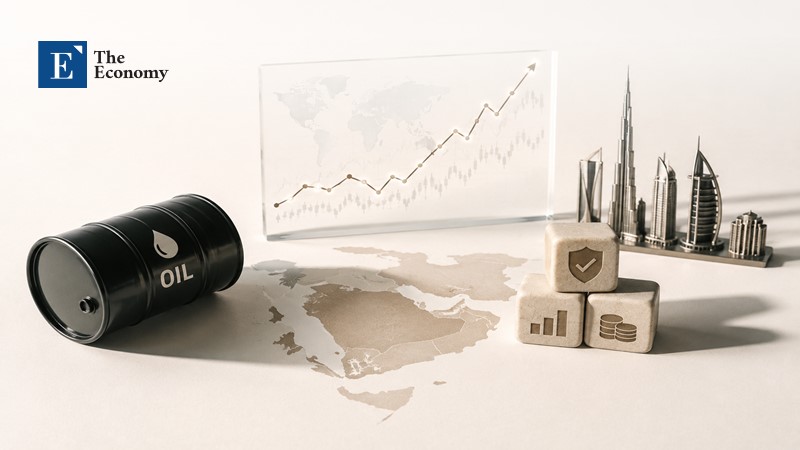
The Gulf oil shock is no longer only an energy-price shock Low-income workers feel the first damage through earnings and job-finding losses Gulf economies now face a deeper test of fiscal strength, investor trust, and capital stability
Read More

Mainstream media status no longer guarantees public trust Trusted information must be proven through visible evidence and repeated scrutiny AI makes misinformation cheaper, so truth must become easier to test Today, a new warnin
Read More
Japan’s weak yen is making economic security more expensive Cheap Chinese imports now help Japan contain inflation Only productivity growth can weaken the yen dependency trap This yen story has a number that explain
Read More
India’s size gives it influence, but not yet great-power depth India middle power realism is not a weakness; it is the path to durable power Asian middle powers need practical coalitions, not another great-power patron
Read More
AI cognitive stunting is a governance problem, not a student failure Schools must sequence AI use so learning comes before automation Clear rules and better assessment can prevent AI from widening learning gaps Ninety-five p
Read More
The Economy Research Editorial1,2 1 The Economy Research, 71 Lower Baggot Street, Dublin 2, Co. Dublin, D02 P593, Ireland 2 Swiss Institute of Artificial Intelligence, Chaltenbodenstrasse 26, 8834 Schindellegi, Schwyz, Switzerland
Read More