
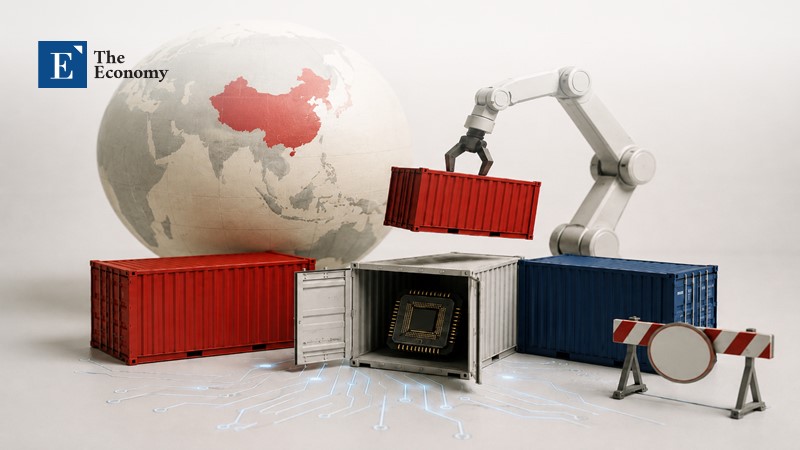
China’s tech-led growth shift is real, but its subsidy model is creating political backlash Europe now sees Chinese overcapacity as a trade and security problem Without fairer competition, China’s growth will face stronger barriers abroad
Read More
LLMs can read financial news faster, but speed does not guarantee better prices The real risk is shared misreading, not just slow market reaction AI trading needs audit trails, uncertainty limits, and stronger governance A market
Read More
AI is shifting gains from labour to capital Europe protects labour more; the U.S.
Read More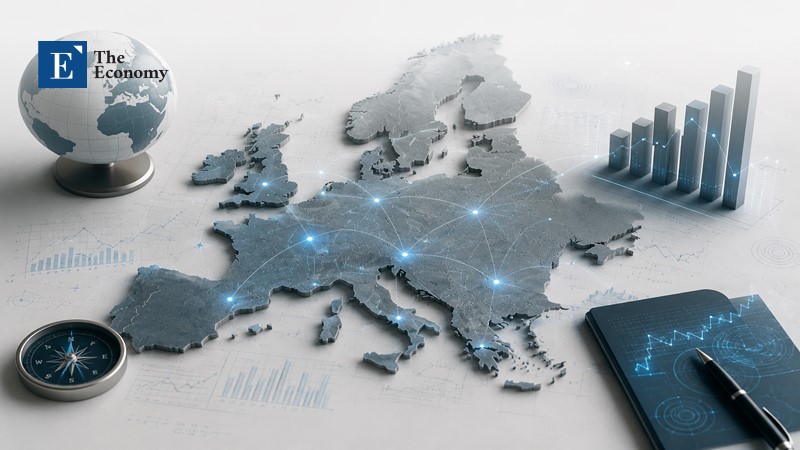
Regional geopolitical risk is not a smaller version of global risk News-based indices measure exposure, language, attention and bias at the same time Europe needs a dashboard that compares global attention with local economic impact
Read More
AI will reshape trade first through prices, not only through jobs Countries that adopt AI can gain, while non-adopters risk weaker exports The real policy test is whether workers can move into better work fast enough
Read More






AI may sound human, but responsibility must stay human The real danger is not AI agency, but institutions using AI as a shield Strong AI accountability means clear owners, review rules, audits, and appeal routes In 2024, seventy-e
Read More
AI deliberative democracy can widen participation, but scale alone cannot create trust Civic AI must be auditable, source-based and resistant to sycophancy Without public governance, AI risks turning participation into simulated consent
Read More
WTO reform must manage state-backed competition Subsidies expose the biggest gap in global trade rules Governed coexistence is the best path between free trade and trade war Only 72% of global goods trade moves under the WTO’s core mos
Read More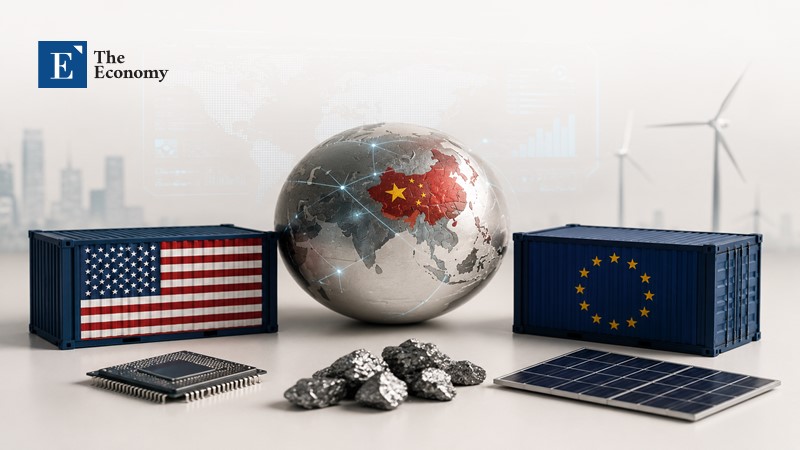
The Economy Research Editorial1,2 1 The Economy Research, 71 Lower Baggot Street, Dublin 2, Co. Dublin, D02 P593, Ireland 2 Swiss Institute of Artificial Intelligence, Chaltenbodenstrasse 26, 8834 Schindellegi, Schwyz, Switzerland
Read More
The Economy Research Editorial1,2 1 The Economy Research, 71 Lower Baggot Street, Dublin 2, Co. Dublin, D02 P593, Ireland 2 Swiss Institute of Artificial Intelligence, Chaltenbodenstrasse 26, 8834 Schindellegi, Schwyz, Switzerland
Read More
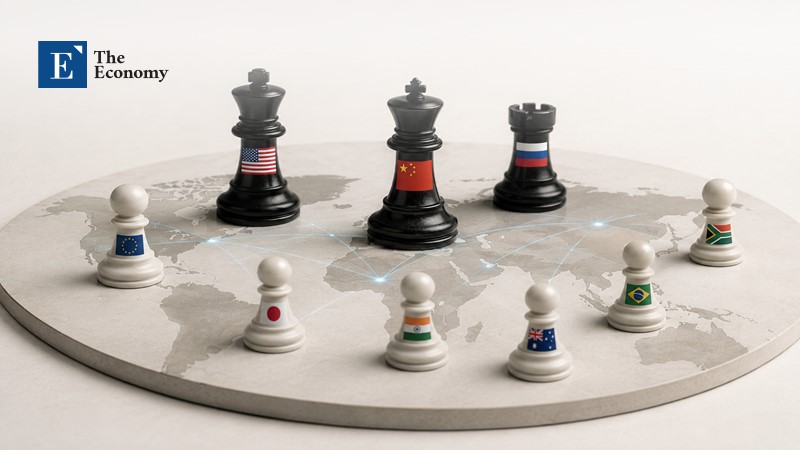
Europe’s largest powers are economically strong but strategically exposed. Middle power collective security is stronger than neutrality or rule-based rhetoric alone Europe needs shared defence, trade protection and infrastructure resilience to avoid being divided
Read More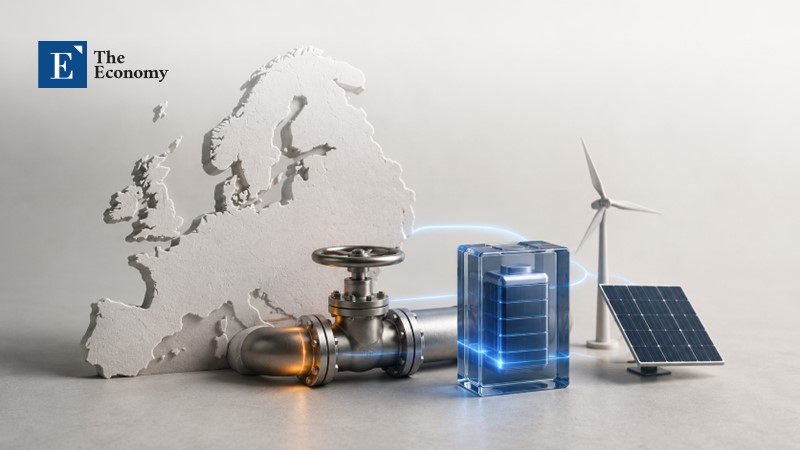
Europe managed the energy crisis, but did not solve it Relief payments protected households, but did not build security The next shock requires more power, storage, and domestic capacity In 2024, the EU is still i
Read More
AI companions are already part of teen social life The answer is not a ban, but safer user control AI safety should work through visible, adjustable modes Seventy-two percent of American teens have already used AI companions a
Read More
AI trading can turn private choices into one crowded move DQN tools may create stronger herding than LLMs The policy goal is market diversity, not just smarter trading
Read More
Europe’s AI future depends on compute power The gap is also about energy, chips and access Europe needs its own AI infrastructure, not full dependence on others Europe's AI problem is no longer a software probl
Read More

The Economy Research Editorial1,2 1 The Economy Research, 71 Lower Baggot Street, Dublin 2, Co. Dublin, D02 P593, Ireland 2 Swiss Institute of Artificial Intelligence, Chaltenbodenstrasse 26, 8834 Schindellegi, Schwyz, Switzerland
Read More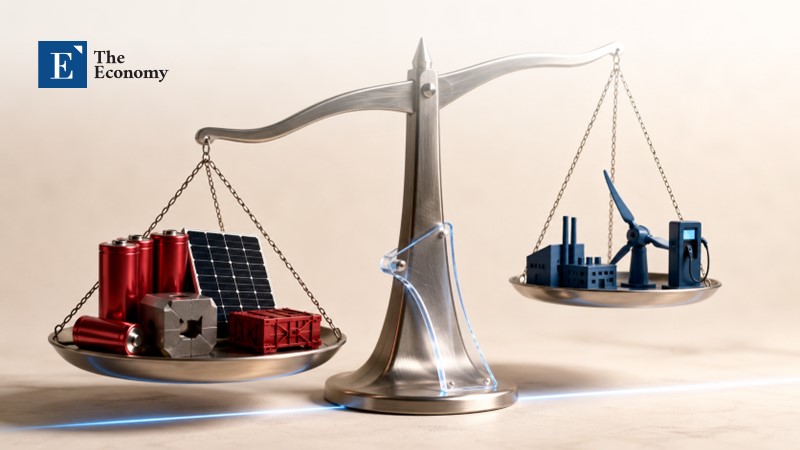
Cheap trade became leverage China dominates key EU supply chains Europe needs de-risking, not isolation The warning is no longer buried in a policy paper.
Read More
Thailand faces a temporary housing squeeze before long-term population decline Ageing, low births, and city concentration could create future empty homes Policy should shift jobs, services, and housing demand beyond Bangkok
Read More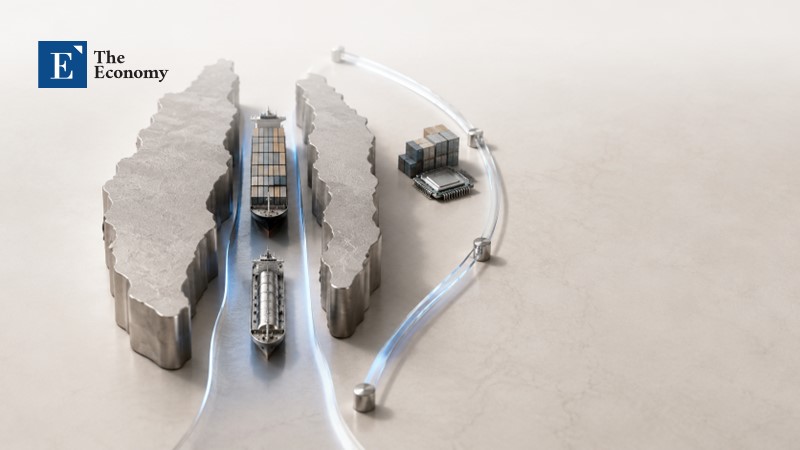
Taiwan Strait security is now a core economic lifeline for Japan and South Korea A crisis there would raise shipping, energy, and supply-chain costs far beyond a local conflict Washington must send clearer signals before silence encourages Chinese risk-takin
Read More
US monetary policy does not hit the world evenly Its effects depend on inequality, financial openness, debt, and credit access Small central banks need balance-sheet strategies, not copycat rate moves The target rate of
Read More